
Estoy observando el espacio de las criptomonedas de la misma manera que observas algo que ya has visto cambiar de forma demasiadas veces como para confiar plenamente en ello. No con emoción, no con decepción, más bien con una familiaridad silenciosa. Estoy mirando nuevos proyectos, nuevos ecosistemas, nuevas “próximas grandes cosas”, y la mayoría de ellos ni siquiera se sienten nuevos en las formas que importan. Los nombres cambian, la marca se vuelve más aguda, el lenguaje se vuelve más refinado, pero debajo de todo eso, el ritmo permanece igual. La atención llega rápidamente, la confianza llega más rápido, y ambos suelen irse antes de que algo real tenga tiempo de asentarse.
Después de un tiempo, dejas de reaccionar a los anuncios. Comienzas a reaccionar a los patrones. Reconoces cómo cada proyecto es “diferente esta vez”, cómo cada lanzamiento es “temprano”, cómo cada narrativa es “inevitable”. Escuchas las mismas frases tan a menudo que dejan de sonar como promesas y comienzan a sonar como hábitos. Y en esa repetición, algo cambia en cómo ves las cosas. No te vuelves cínico exactamente, solo te vuelves más lento para creer.
Esa es más o menos la mentalidad en la que estaba cuando Pixels apareció en mi vista.
Al principio, parecía algo que ya había categorizado en mi cabeza antes de terminar de leer sobre ello. Un juego social casual de Web3 en la red Ronin. Agricultura, exploración, creación. Las palabras habituales. El marco habitual. El tipo de estructura que inmediatamente te hace pensar: “He visto esto antes, y sé cómo suele terminar.”
Y, honestamente, la mayoría de las veces, ese instinto tiene razón.
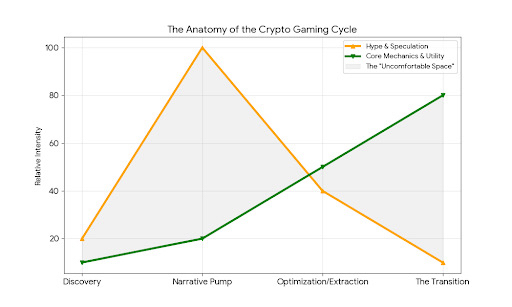
Porque he visto suficientes de estos proyectos para reconocer el ciclo. Se introduce un mundo con mucha imaginación detrás. Se adjunta un token. Los primeros usuarios llegan, medio por curiosidad, medio por especulación. Los números suben. El contenido sigue. Luego, gradualmente, el juego comienza a doblarse alrededor de la economía en lugar de que la economía apoye al juego. Y en algún lugar de ese cambio, la idea original desaparece silenciosamente sin que nadie necesite anunciar su fracaso.
Pero Pixels no colapsó en esa categoría mental tan rápido como esperaba.
No porque fuera drásticamente diferente. Realmente no lo era, al menos no en la superficie. Pero porque no parecía desesperado por convencer a nadie de que era revolucionario. No intentó sonar como si estuviera reconstruyendo los juegos desde cero. Simplemente… existía en una forma más simple de lo que la mayoría de los proyectos de Web3 tienden a permitirse.
Esa simplicidad es lo que me hizo pausar un segundo más de lo habitual.
Porque en este espacio, la simplicidad puede significar dos cosas muy diferentes. A veces significa claridad. A veces solo significa que aún no hay mucho debajo. Y la experiencia te enseña a no confundir las dos demasiado rápido.
Pixels se encuentra justo en ese espacio incómodo donde ambas interpretaciones parecen posibles al mismo tiempo.
Por un lado, claramente está construido alrededor de bucles familiares: agricultura, recolección, construcción, repetición. El tipo de mecánicas que son fáciles de entender y fáciles de entrar. Hay algo casi nostálgico en ello, como una versión digital de juegos que no necesitaban explicarse demasiado para ser disfrutables. Esa parte se siente intencional, o al menos cuidadosamente preservada.
Por otro lado, todavía lleva el peso que viene con los sistemas Web3 superpuestos. Propiedad. Tokens. Valor adjunto a la participación. Y ahí es donde las cosas siempre se complican, sin importar cuán simple se vea la superficie.
Porque una vez que el valor entra en el sistema de una manera visible, todo cambia ligeramente. Incluso si la jugabilidad se mantiene igual, la forma en que las personas se acercan a ella no lo hace. Dejas de jugar solo por jugar. Comienzas a rastrear, optimizar, calcular. Y en el momento en que ese cambio se vuelve dominante, el juego ya no es solo un juego de la manera en que las personas suelen entenderlo.
He visto ese cambio ocurrir suficientes veces para saber que no siempre se anuncia a gritos. A veces, simplemente reemplaza lentamente la curiosidad con eficiencia.
Lo que parece que Pixels está rodeando, tal vez intencionalmente, tal vez no, es esa incómoda tensión que el juego cripto aún no ha resuelto realmente. La idea de que puedes construir algo que sea tanto divertido como financieramente significativo sin que uno destruya al otro.
Suena simple cuando lo dices en voz alta. Nunca lo es.
Porque los juegos no se comportan como sistemas financieros. Y los sistemas financieros no se comportan como juegos. Uno está construido sobre el compromiso, la emoción, la repetición sin presión. El otro está construido sobre incentivos, extracción, optimización. Cuando los mezclas, no obtienes un equilibrio perfecto, obtienes una tensión constante entre dos fuerzas que tiran en direcciones diferentes.
Y en la mayoría de los casos, uno eventualmente gana.
Pixels no ha llegado a ese punto todavía. O tal vez lo ha hecho, y simplemente no lo ha mostrado con suficiente claridad para que yo lo vea. Esa es la parte sobre la que todavía no estoy seguro. Y creo que esa incertidumbre es en realidad el lugar más honesto para estar al mirar algo como esto.
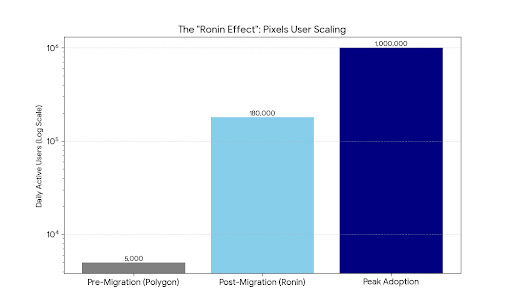
Ronin como red le da un cierto entorno para crecer: algo más enfocado en el juego que el ruido general de ecosistemas más amplios. Eso ayuda, al menos estructuralmente. Reduce la fricción. Permite la experimentación. Pero la infraestructura por sí sola no decide si las personas mantienen su interés una vez que la novedad inicial se desvanece. Esa parte siempre ha sido más impredecible que cualquier hoja de ruta.
Lo que sigo volviendo a considerar no es si Pixels es “bueno” o “innovador”, sino si puede mantener la atención por razones que no son solo económicas en algún momento. Esa es generalmente donde comienza la verdadera prueba en este espacio, incluso si no se ve como una prueba al principio.
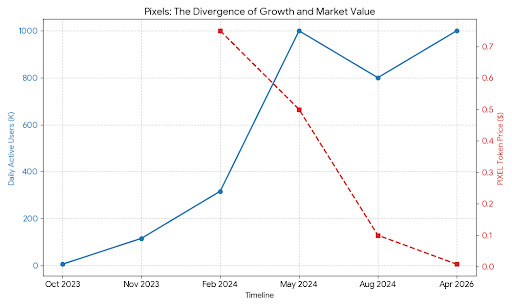
Porque el crecimiento temprano puede ser engañoso. A menudo lo es. La atención en cripto es fácil de atraer y aún más fácil de perder. Y una vez que los incentivos dejan de ser la razón principal por la que las personas permanecen, lo que queda debajo se expone muy rápidamente.
No creo que Pixels haya sido completamente expuesto a esa etapa todavía. Todavía se siente como si estuviera en transición: aún siendo probado por la curiosidad inicial, aún llevado parcialmente por la especulación, aún formando su identidad en tiempo real en lugar de defender una ya establecida.
Así que me mantengo cauteloso con cómo lo interpreto. No despectivo, no impresionado, solo observador. La forma en que eres cuando has visto suficientes ciclos para saber que las primeras impresiones rara vez sobreviven al contacto con el tiempo.
Y tal vez ahí es donde se encuentra para mí en este momento. No como un avance, no como un fracaso, sino como algo que aún se desarrolla en un espacio que rara vez da a las cosas el tiempo suficiente para revelar completamente lo que son antes de pasar a la próxima narrativa.
Así que sigo observando. No porque espere que rompa el patrón, y no porque asuma que lo seguirá exactamente tampoco, sino porque en esta industria, la mayoría de las cosas solo se vuelven comprensibles una vez que ya han cambiado de forma varias veces.
Y no he visto lo suficiente todavía para decidir en qué dirección se dirige este.