

Most traders still think gaming tokens are judged mainly by new player spikes, launch headlines, or whatever trend is hot that week. I think that misses the metric that usually matters most once the easy excitement fades: who comes back. Retention is harder to fake than traffic, and it tells a deeper truth about whether the product has become part of someone’s routine. This article argues that @Pixels is changing because repeat-user behavior may matter more than raw user growth now, and most people are missing how powerful returning players can be in a token economy. New users create attention. Returning users create durability. When I study projects that lasted longer than expected, they often had communities that kept showing up even during boring months. That’s where narrative and reality start to separate.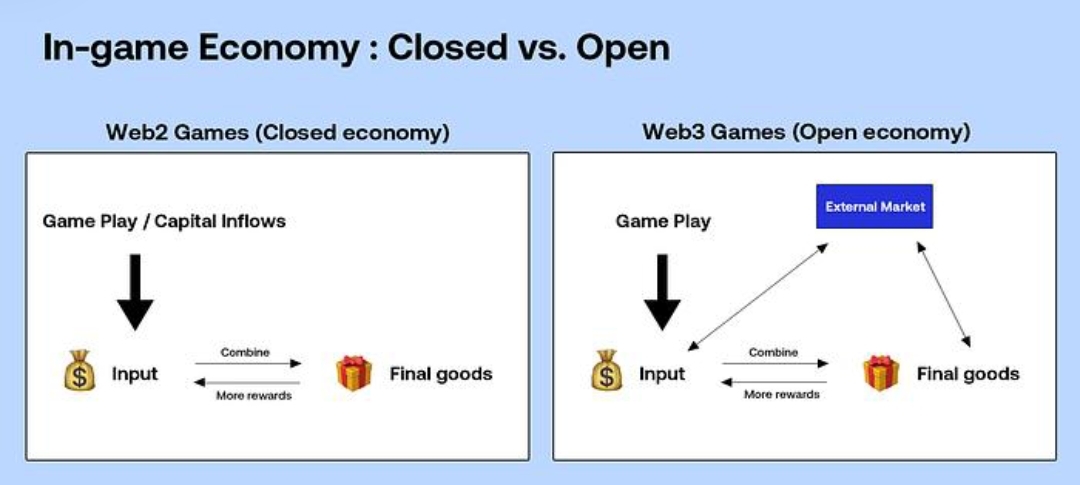
The mechanism is pretty simple, but the market often ignores it. A returning player is more valuable than a one-time visitor because they reuse features, spend more predictably, engage with events, and stabilize activity metrics across weeks rather than days. #pixel already has a live environment with farming loops, social elements, land mechanics, quests, and reasons to revisit rather than only test once. That matters because tokens tied to ecosystems need recurring behavior to sustain demand. Who issues value? The game distributes incentives, content, and utility access. Who verifies it? User behavior does — wallet activity, session frequency, repeat participation, and whether players stay after rewards normalize. How does value flow? Users spend time and assets inside the loop, the ecosystem captures engagement, and the token benefits when activity becomes habitual instead of speculative. Most people believe airdrops or big reward campaigns are the key growth engine. I’m more skeptical. Those tools can attract crowds, but they rarely prove attachment. If a player returns after incentives cool, that’s the cleaner signal. I’d rather see moderate growth with stronger retention than flashy spikes followed by silence.
What could happen next depends less on marketing and more on whether Pixels keeps improving reasons to return: better content cadence, stronger social loops, balanced rewards, and features that make existing users stay longer. Timing matters because many investors still evaluate gaming tokens with old cycle assumptions — chase launches, ignore maintenance, then complain when users vanish. Markets often underprice consistency because it feels less exciting than expansion. But consistent engagement can become the base layer for future growth when attention returns. If repeat cohorts strengthen while new content continues landing, $PIXEL may be viewed differently over time, not because of one event but because the ecosystem proves it can keep people around. I’ve seen that shift happen quietly before. First the users stay, then the metrics improve, then the market notices late. This isn’t about attracting the most visitors. It’s about building a place people choose to revisit.