
He estado en este espacio el tiempo suficiente como para no dejarme llevar como solía hacerlo. No persigo cada novedad, y tampoco pongo los ojos en blanco. Simplemente observo. Empiezas a notar cosas cuando haces eso—pequeños patrones, comportamientos repetidos, las mismas ideas apareciendo de nuevo con nuevos nombres y un diseño ligeramente mejor.
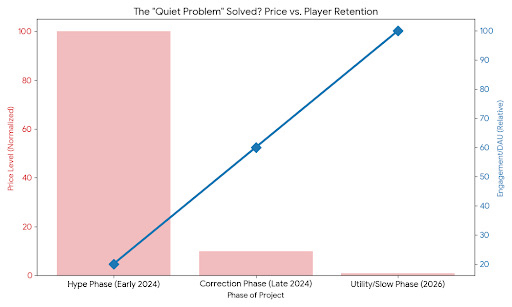
Después de un tiempo, las criptomonedas dejan de sentirse como una ola de innovación y comienzan a sentirse más como un bucle. Escuchas las mismas promesas una y otra vez. “Esto lo cambia todo.” “Esta vez es diferente.” Y a veces casi se siente cierto—hasta que no lo es. Especialmente con los juegos. Vienen con grandes visiones, economías de tokens y comunidades que crecen rápidamente… pero rara vez duran de la manera que la gente espera. La mayoría de los jugadores realmente no están jugando—están calculando. Y cuando las recompensas disminuyen, también lo hace el interés.
Esa es la parte que nadie realmente resuelve. ¿Cómo haces algo que la gente realmente disfrute, en lugar de algo que solo están usando por un tiempo?
Así que cuando me topé por primera vez con Pixels, no pensé mucho en ello. Se veía familiar. Un juego Web3, estilo mundo abierto, construido alrededor de la agricultura, la exploración, la creación—todas cosas que hemos visto antes en diferentes formas. No sentí que era algo a lo que necesitaba prestarle atención.
Pero tampoco lo ignoré completamente. Lo dejé ahí en segundo plano, como hago con la mayoría de los proyectos ahora. Y con el tiempo, algo sobre ello comenzó a sentirse... un poco diferente. No de una manera ruidosa, "esto lo cambia todo". Más sutil que eso.
Se sentía más tranquilo.
Pixels no parece que esté tratando de apresurarte o impresionarte. Es más lento. Siembras cosas, exploras, construyes—acciones simples, casi repetitivas de una manera tranquila. Y extrañamente, esa simplicidad es lo que lo hace destacar. No intenta sobrecargarte con complejidad o empujarte hacia una optimización constante.
Y eso me hizo detenerme.
Porque el verdadero problema con los juegos de cripto nunca ha sido solo la tecnología—es el comportamiento que crean. En el momento en que el dinero se convierte en el centro de todo, la gente deja de involucrarse de manera natural. Comienzan a pensar en términos de ganancia, eficiencia, tiempo. Deja de sentirse como un mundo y comienza a sentirse como un sistema.
Pixels parece que al menos está tratando de suavizar eso. Tal vez no perfectamente, tal vez ni siquiera con éxito aún—pero hay un intento de volver a algo más humano. Algo más lento. Algo en lo que no tienes que "ganar" constantemente.
Aún así, soy cuidadoso con ese pensamiento.
He visto demasiados proyectos comenzar con buenas intenciones y lentamente desviarse hacia los mismos patrones. No sucede todo de una vez. Es gradual. Unos cambios aquí, un cambio en los incentivos allá, más usuarios entrando con diferentes expectativas—y de repente todo comienza a sentirse diferente. Más transaccional. Menos vivo.
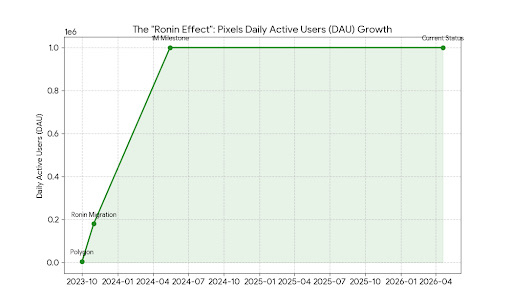
Y luego está el hecho de que Pixels está construido sobre Ronin. Eso importa más de lo que a la gente le gusta admitir. Los ecosistemas llevan historia consigo. Confianza, duda, errores del pasado—todo eso queda en el aire. No solo construyes un nuevo proyecto; construyes sobre lo que la gente ya recuerda.
Así que no miro Pixels y pienso, "esto es todo". No creo que sea la respuesta.
Pero tampoco lo desestimo.
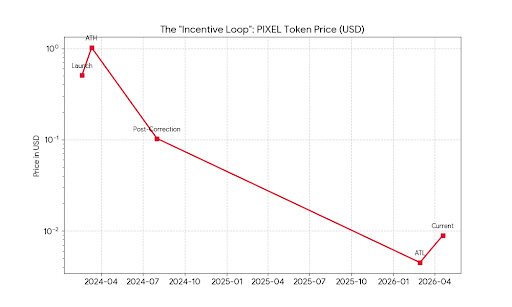
Siento que está tocando algo real—este problema silencioso que el espacio ha estado evitando. La brecha entre usar algo y realmente disfrutarlo. Entre estar ahí por valor y estar ahí porque quieres estar.
Quizás lo resuelva. Quizás no.
He aprendido a no apresurar esas conclusiones.
Por ahora, es solo algo que mantengo en la mira. Algo que no encaja del todo en el molde habitual, incluso si todavía vive dentro del mismo sistema. Y en un espacio donde todo tiende a sentirse predecible después de un tiempo, incluso esa pequeña diferencia es suficiente para hacer que preste atención un poco más.
Así que no estoy saltando, y tampoco me estoy alejando.
Solo estoy... observando.