
Estoy observando el espacio de la manera en que miras algo que has visto demasiadas veces antes—silenciosamente, sin apresurarte a reaccionar. He estado alrededor el tiempo suficiente para reconocer los patrones antes de que se formen completamente. La emoción, las narrativas, las promesas que suenan frescas en la superficie pero llevan algo muy familiar debajo. No es exactamente cinismo. Es más como… memoria.
Porque la mayoría de los proyectos, si te sientas con ellos el tiempo suficiente, empiezan a difuminarse. Nombres diferentes, marcas diferentes, pero el mismo mensaje subyacente: propiedad, libertad, un nuevo tipo de vida digital. Y por un tiempo, funciona. La gente se inclina. Las comunidades se construyen rápidamente. Hay energía, especulación, creencia. Pero luego la realidad aparece, y de repente la brecha entre la idea y la ejecución se vuelve imposible de ignorar.
Así que cuando me encontré con Pixels, no me apresuré a formar una opinión. Si acaso, casi lo descarté demasiado rápido. Un juego de estilo pixelado vinculado a cripto, funcionando en la Red Ronin—sonaba como algo que ya había visto variaciones antes. El tipo de proyecto que se inclina hacia la nostalgia mientras lleva silenciosamente las mismas expectativas que cada juego Web3 ha luchado por cumplir.
Pero lo extraño es que, cuanto más miraba, más difícil se volvía ignorarlo por completo.
No porque fuera más ruidoso que todo lo demás—no lo era. Si acaso, se sentía inusualmente contenido. No había ese empuje agresivo para convencerte de que era “el futuro del juego.” Simplemente existía, construyéndose lentamente, dejando que la gente se adentrara en él en lugar de atraerlos con promesas. Y esa diferencia, por pequeña que suene, comenzó a destacarse.
Porque debajo de todo el ruido en cripto, hay una tensión que nunca se resuelve realmente. La industria sigue intentando fusionar dos mundos muy diferentes—utilidad real y comportamiento especulativo—y la mayor parte del tiempo, uno termina sofocando al otro. Los juegos se convierten en sistemas financieros primero y experiencias segundo. Los jugadores dejan de jugar y comienzan a calcular. Y eventualmente, todo comienza a sentirse menos como un mundo y más como una hoja de cálculo disfrazada de uno.
Esa es la parte que la mayoría de los proyectos no quiere confrontar directamente.
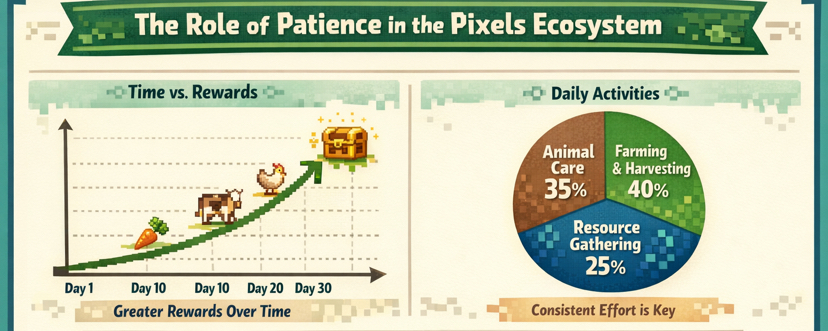
Lo que llamó mi atención con Pixels no fue que resolviera este problema—es demasiado pronto para decir eso—sino que parecía girar en torno a él de una manera más tranquila. En lugar de intentar redefinir inmediatamente el juego, se inclina hacia algo más simple: rutina, interacción, tiempo gastado sin presión. Agricultura, exploración, creación—estas son mecánicas lentas por diseño. No se alinean naturalmente con ciclos de hype o especulación a corto plazo. Y tal vez ese sea el punto, ya sea intencional o no.
Plantea una pregunta que el espacio ha estado evitando durante años: ¿qué pasa si un juego Web3 realmente intenta ser un juego primero?
No en lenguaje de marketing, sino en la práctica. En cómo sostiene la atención. En cómo recompensa el tiempo. En si la gente todavía acudiría si la capa financiera se volviera menos importante.
Porque ahí es donde la mayoría de los intentos han fracasado silenciosamente. No en tecnología, sino en entender por qué la gente juega en primer lugar.
Por supuesto, nada de esto garantiza nada. Si acaso, la experiencia me hace más cauteloso, no menos. He visto proyectos con ideas interesantes desmoronarse porque la ejecución no pudo soportar el peso. He visto comunidades desaparecer tan rápido como se formaron. Y he visto cuán rápido lo “diferente” puede convertirse en “solo otra versión” una vez que la presión aumenta.
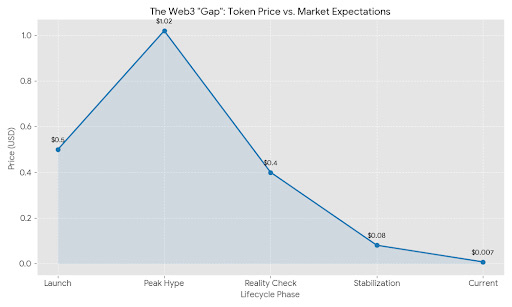
Pixels no está fuera de ese riesgo. Sigue siendo parte del mismo ecosistema, aún expuesto a las mismas fuerzas que remodelan todo en cripto con el tiempo. La pregunta no es si tiene potencial—probablemente lo tenga a su manera. La pregunta es si ese potencial puede sobrevivir una vez que las expectativas se alineen con él.
Por ahora, se siente como algo intermedio. No un gran avance, no solo otro clon. Simplemente... algo que aún no ha revelado completamente lo que es.
Y tal vez por eso sigo prestando atención.
No porque esté convencido.
Pero porque, por una vez, no estoy completamente listo para descartarlo tampoco.