
Estoy observando este espacio de la manera en que observas algo que ya has visto demasiadas veces—tranquilamente, sin apresurarte a reaccionar. Después de un tiempo en cripto, dejas de dejarte llevar por anuncios o afirmaciones audaces. Simplemente te sientas y notas cómo se desarrollan las cosas. El momento, el lenguaje, la forma en que la emoción se acumula casi a la orden. He visto suficientes ciclos ahora para saber que lo que se siente nuevo a menudo es solo una versión ligeramente reorganizada de algo que vino antes.
La mayoría de los proyectos tampoco intenta realmente ocultarlo. Hablan sobre propiedad, comunidad, libertad—grandes ideas que suenan bien cada vez que las escuchas. Y tal vez lo dicen en serio. Pero cuando has estado alrededor el tiempo suficiente, esas palabras comienzan a perder su filo. Las escuchas y en lugar de sentir curiosidad, sientes... familiar. Como si ya supieras cómo podría ir la historia.
Probablemente esa sea la razón por la que Pixels no llamó mi atención al principio. En la superficie, parecía algo que ya había visto—un juego Web3, mundo abierto, agricultura, exploración. Encajaba perfectamente en una categoría que ha intentado, y luchado, por demostrar su valía más de una vez. No sentí ninguna urgencia por mirar más de cerca. Si acaso, esperaba que siguiera el mismo camino que la mayoría de ellos.
Pero a veces, si no apartas la mirada de inmediato, las cosas pequeñas comienzan a destacar.
Lo que hizo que Pixels se sintiera un poco diferente no fue algo ruidoso u obvio. De hecho, fue todo lo contrario. No parecía que estuviera intentando demasiado venderme un futuro o convencerme de que era la próxima gran cosa. Había algo más sutil en ello, algo que no dependía tanto del habitual relato de 'gana esto, posee aquello' que los juegos de Web3 tienden a empujar al principio.
Y eso me hizo detenerme.
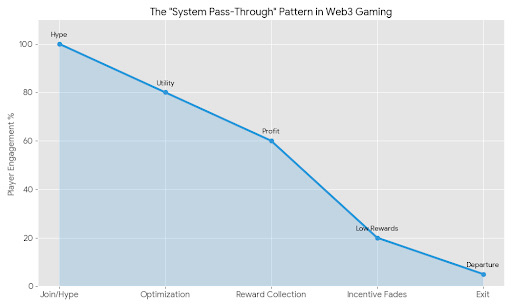
Porque si despojas todo, el mayor problema en el gaming cripto no ha sido realmente la tecnología, sino el comportamiento. La mayoría de estos juegos no se sienten como lugares donde la gente quiera estar. Se sienten como sistemas por los que la gente pasa. Apareces, haces lo que necesitas hacer, recoges la recompensa que haya y luego te vas. No hay razón para quedarte una vez que el incentivo se desvanece.
Ese patrón se ha repetido tantas veces que casi se siente normal ahora.
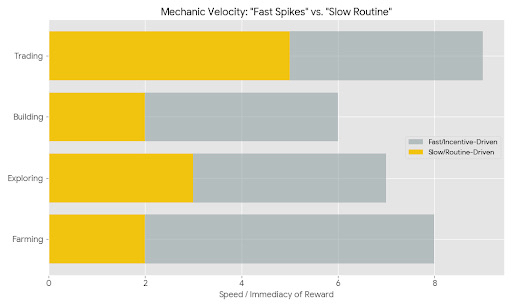
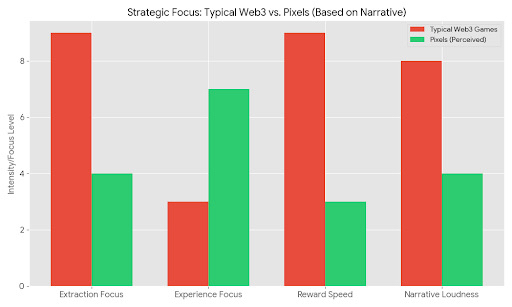
Pixels, de manera sutil, parece estar inclinándose en una dirección diferente. No de forma dramática, no de una manera que exija atención, pero lo suficiente para notarlo si estás buscando. El enfoque parece menos sobre extraer valor de los jugadores y más sobre darles una razón para existir dentro del mundo por un tiempo. Agricultura, exploración, construcción—estas no son mecánicas rápidas. No crean picos instantáneos de emoción. Son más lentas, más repetitivas, casi rutinarias.
Y extrañamente, ese podría ser el punto.
Porque lo que el cripto aún no ha logrado es cómo hacer que la gente se quede sin pagarles constantemente por estar allí. Los juegos tradicionales resolvieron eso hace años a través del diseño, la inmersión y la progresión. Pero en Web3, los incentivos a menudo vienen primero, y la experiencia viene después. Y una vez que ese equilibrio se inclina demasiado, es difícil volver atrás.
Así que cuando algo como Pixels se inclina incluso ligeramente hacia la experiencia sobre la extracción, vale la pena notarlo.
Eso no significa que vaya a funcionar. Si acaso, hace que el desafío sea más difícil. Construir algo que la gente realmente quiera regresar—sin depender de recompensas constantes—es una de las cosas más difíciles que puedes hacer, especialmente en un espacio donde la atención siempre se mueve y las expectativas son moldeadas por ganancias rápidas.
Y luego está la realidad que viene con asignar valor a cualquier cosa. En el momento en que hay algo que ganar, el comportamiento cambia. La gente optimiza. Buscan la forma más rápida de beneficiarse. La experiencia se vuelve secundaria, incluso si esa no era la intención original. Ocurre casi siempre.
Así que la verdadera pregunta no es si Pixels puede atraer a la gente. Muchos proyectos pueden hacer eso. La pregunta es si puede mantenerlos de una manera que se sienta natural, no forzada. Si puede ser un lugar al que la gente regrese porque quiere, no porque sienta que debería.
No tengo una respuesta para eso.
Todavía es temprano, y he aprendido a no apresurarme a conclusiones. He visto cosas que parecían prometedoras desmoronarse, y cosas que parecían pequeñas crecer silenciosamente en algo significativo. Ahora mismo, Pixels se siente como si estuviera en algún lugar intermedio—ni sobrevalorado ni completamente probado.
Y tal vez por eso sigo prestando atención.
No porque esté convencido, sino porque tengo suficiente curiosidad como para no apartar la vista aún.