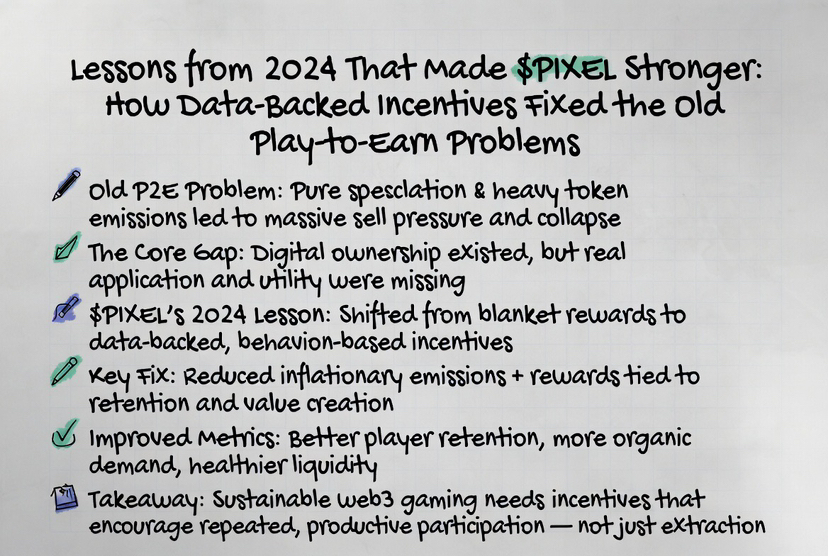
El viejo modelo play-to-earn prometía libertad pero entregaba fragilidad. Los juegos inundaron el mercado con tokens como recompensas, los jugadores se lanzaron a hacer flips rápidos, y luego todo colapsó bajo la presión de venta. A finales de 2024, muchos proyectos habían expuesto la debilidad central: la propiedad digital sin una aplicación significativa. Podías tener un NFT o token que probara "tú posees esto", pero utilizarlo de manera práctica y continua se sentía desconectado, como tener la llave de una casa en la que nunca viviste realmente.
$PIXEL emergió de ese capítulo desordenado con ojos más claros. La simulación agrícola en Ronin no solo sobrevivió a la volatilidad de 2024; estudió los fracasos y reconstruyó los incentivos alrededor del comportamiento real del jugador en lugar de ciclos de hype. El cambio no fue un marketing llamativo. Fueron ajustes impulsados por datos sobre cómo fluían las recompensas, cuándo aparecían, y lo más importante, por qué los jugadores querrían seguir participando más allá de la prisa inicial del airdrop.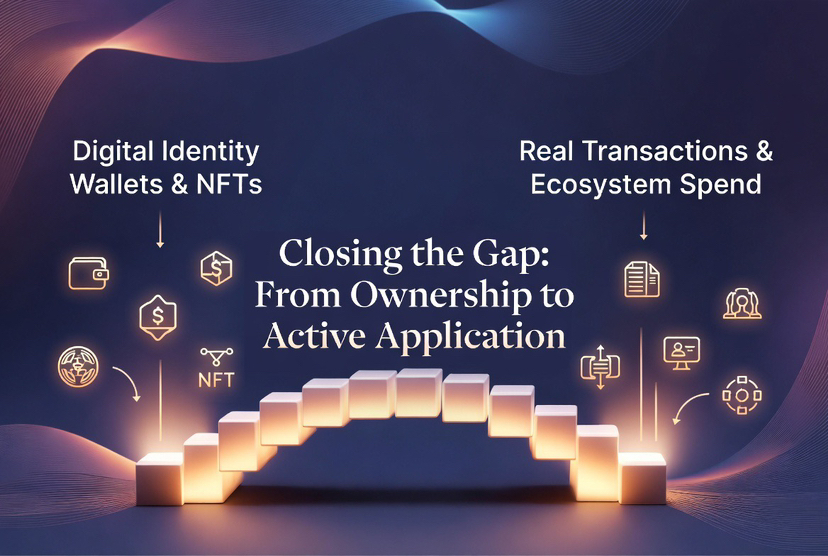
En web3, la identidad digital y la propiedad de activos han avanzado rápidamente. Las wallets, NFTs y los registros en cadena dan a los usuarios control verificable sobre lo que "poseen". Sin embargo, sigue existiendo una brecha obstinada entre la posesión y el uso práctico. Poseer terrenos o tokens ganados es una cosa; hacer que esos activos participen activamente en una economía viva a través de trading, staking con propósito, o tomando decisiones dentro del juego que importen, es otra.
Muchos títulos de P2E tempranos conectaron esto de manera deficiente. Los tokens representaban propiedad, pero la principal "aplicación" era venderlos en el mercado abierto. Cuando la presión de venta aumentaba, la liquidez se secaba, los precios colapsaban y la ilusión de valor sostenible se evaporaba. La distribución de holders a menudo contaba la historia: wallets concentradas dominaban, creando fragilidad donde unos pocos movimientos grandes podían hacer oscilar todo el mercado. La demanda orgánica se mantenía débil porque el ciclo de incentivos se sentía extractivo en lugar de productivo.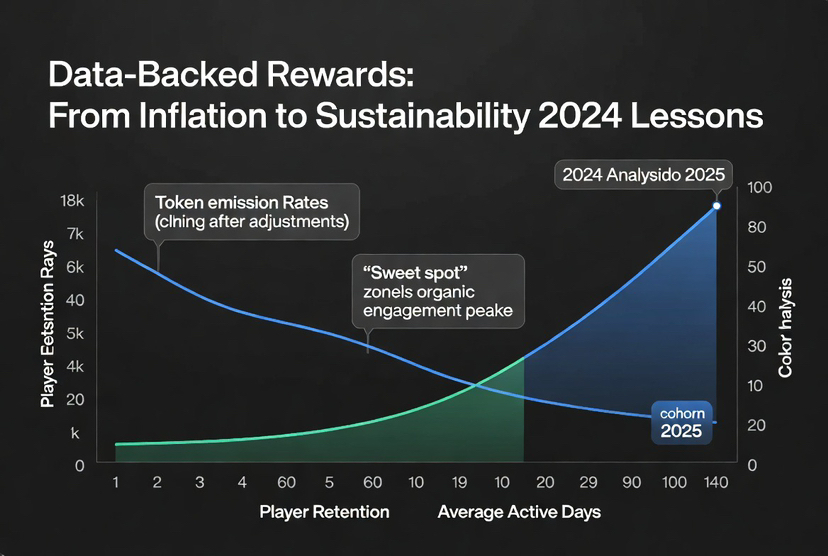
El equipo de PIXEL reconoció esto. Las lecciones del 2024 destacaron que la verdadera fortaleza se produce cuando la propiedad se traduce en interacciones repetidas y generadoras de valor. En lugar de emisiones generales que alentaban el dumping, se movieron hacia distribuciones condicionales, basadas en comportamientos informadas por señales de retención y datos de cohortes. El objetivo era la alineación: recompensar acciones que el ecosistema realmente pudiera reutilizar, no solo un compromiso temporal.
Este enfoque reduce la brecha de propiedad-aplicación. Los jugadores no solo acumulan recibos digitales; su progreso en el juego, gestión de tierras y contribuciones a la comunidad retroalimentan un sistema donde el token tiene utilidad más allá de la especulación. Los mecanismos de staking y los bucles económicos refinados dan a los holders participación en el juego que se extiende más allá de los gráficos de precios. Cuando los jugadores gastan más en el ecosistema de lo que extraen, el flujo neto positivo se vuelve posible, una señal rara pero crítica de salud.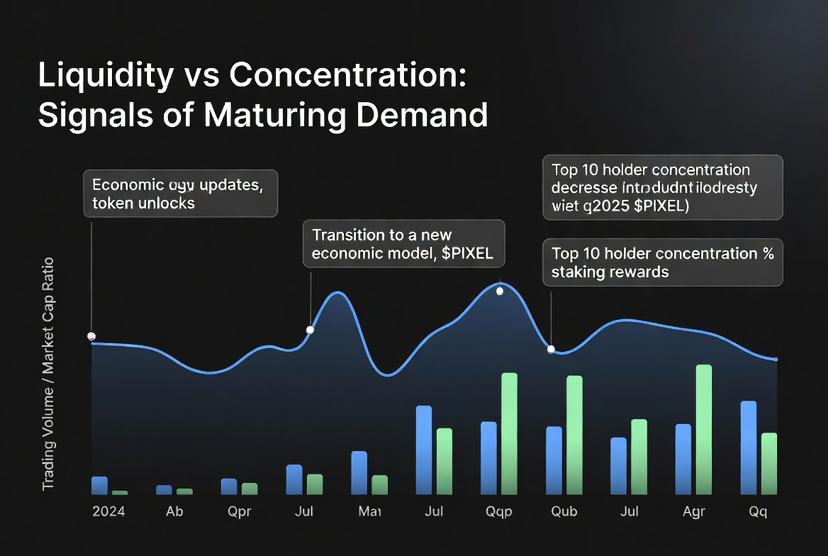
La liquidez cuenta parte de la historia, pero no la totalidad. Un volumen de trading saludable en relación con la capitalización de mercado puede indicar interés, sin embargo, libros de órdenes delgados y distribución pesada en ballenas aún exponen a los proyectos a movimientos bruscos. En 2024 y hacia 2025, $PIXEL enfrentó presiones clásicas: períodos de tenencias concentradas y sensibilidad a movimientos más amplios del mercado. Sin embargo, el proyecto demostró resiliencia al centrarse en los impulsores de demanda orgánica.
En lugar de depender de flujos especulativos, el crecimiento sostenible se manifiesta en la actividad constante de los jugadores, en la utilidad dentro del juego y en mecanismos que reducen la presión de venta innecesaria. Transitar partes de la estructura de recompensas lejos de emisiones puras de tokens hacia alternativas más estables ayudó. Ajustes respaldados por datos que modifican los "puntos dulces" de recompensas según el rendimiento de tareas y métricas de participación evitaron la sobre-distribución que plagaba modelos anteriores.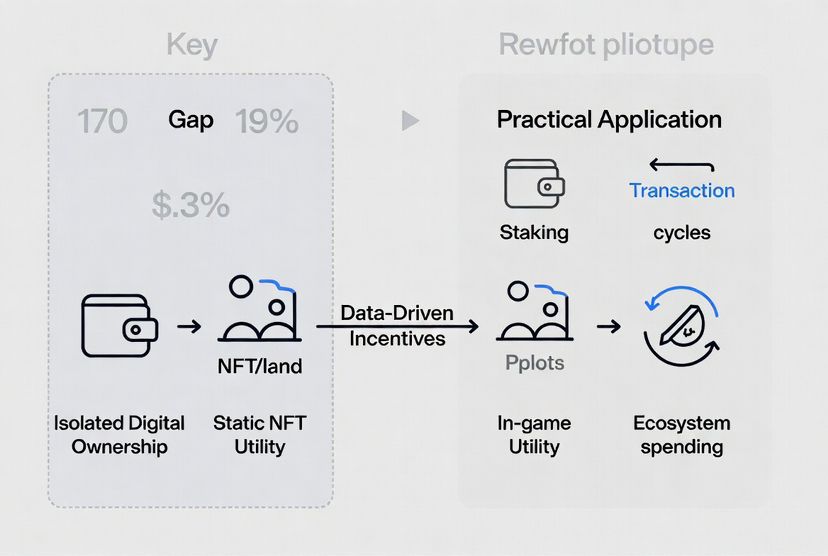
Críticamente, esto no se trata de eliminar ganancias. Se trata de hacerlas condicionales a contribuciones que fortalezcan el todo. Cuando los incentivos se alinean con la retención a largo plazo en lugar de la extracción a corto plazo, la demanda orgánica tiene espacio para desarrollarse. Los jugadores regresan porque la experiencia y la economía se sienten coherentes, no porque un nuevo anuncio de airdrop haya golpeado las feeds sociales.
La distribución de holders sigue siendo un punto de vigilancia. Bases amplias y menos concentradas tienden a apoyar una liquidez más estable y reducir los riesgos de manipulación. Los proyectos que monitorean estas métricas de cerca y ajustan las omisiones de tokens en consecuencia tienen una mejor oportunidad de cerrar la brecha de propiedad. La propiedad en papel se convierte en propiedad en la práctica cuando los activos circulan de manera significativa dentro de un ciclo funcional.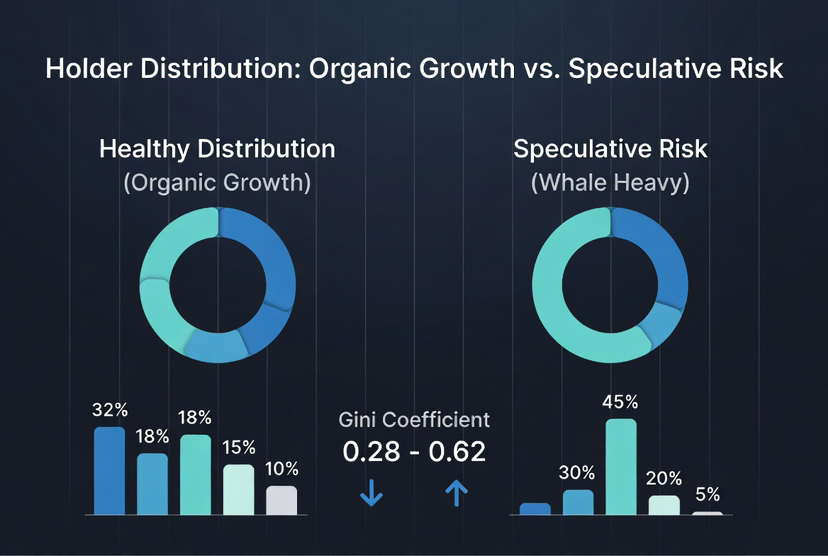
La relevancia de los refinamientos de PIXEL se extiende más allá de un solo juego. Señala un sector de gaming web3 en maduración donde los datos reemplazan al dogma. La pura especulación alimentó el auge de 2021-2022 y las caídas subsiguientes; 2024 enseñó que los incentivos deben ser testeables, ajustables y estar vinculados a la creación de valor observable por parte de los jugadores.
Al enfatizar la aplicación sobre la mera posesión, tales proyectos hacen que la identidad digital sea más que una palabra de moda. Tu wallet no es solo una bóveda; se convierte en una herramienta para participar en economías dinámicas. La tierra no es un JPEG estático; genera oportunidades a través de una gestión activa. Los tokens no son boletos de lotería; facilitan la gobernanza, el staking y el gasto dentro del ecosistema que pueden crear ciclos de refuerzo propio.
Por supuesto, persisten desafíos. Ningún modelo es inmune a los ciclos del mercado o riesgos de ejecución. La liquidez delgada aún puede amplificar la volatilidad, y las expectativas cambiantes de los jugadores requieren tiempo. Sin embargo, la lección crítica de la experiencia de PIXEL en 2024 es la humildad acompañada de iteración. En lugar de reafirmar suposiciones rotas sobre jugar para ganar, el enfoque se centró en soluciones medibles: distribución más inteligente, presión inflacionaria reducida, e incentivos que recompensen comportamientos reutilizables.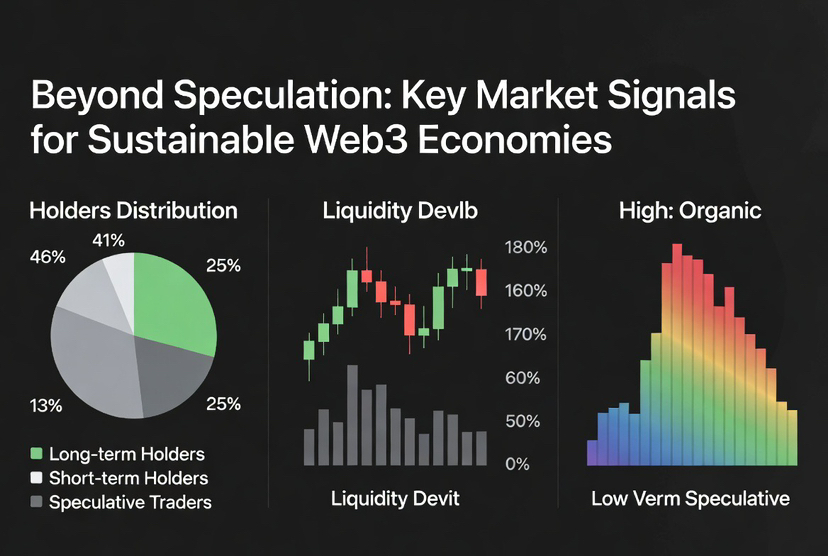
Esto no es hype. Es el trabajo poco glamuroso de construir sistemas donde la propiedad y la utilidad finalmente convergen. Para que web3 avance más allá de ciclos repetidos de auge y caída, más proyectos tendrán que enfrentar la misma brecha. Tener el activo digital es lo mínimo. Hacer que funcione en transacciones reales, día tras día, es lo que separa a los supervivientes de las notas al pie.
El camino a seguir favorece a aquellos dispuestos a dejar que los datos guíen el diseño de incentivos en lugar de la narrativa. En ese sentido, el fortalecimiento de PIXEL post-2024 ofrece un estudio de caso medido en resiliencia, donde el puente entre poseer y aplicar se acorta un poco con cada ajuste reflexivo.
En resumen,