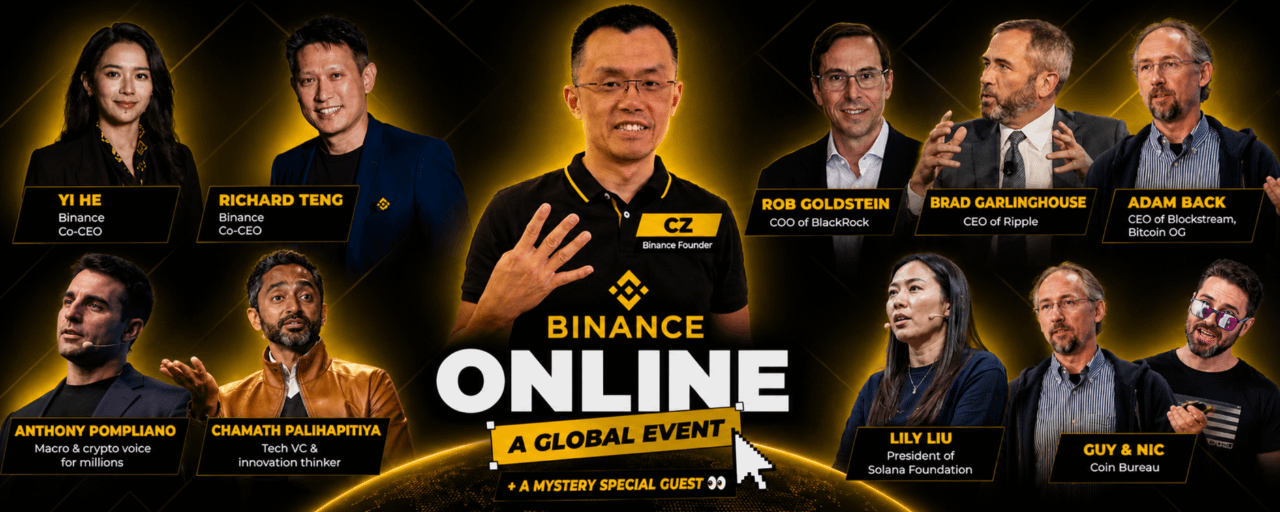

The biggest names in crypto, TradFi, AI, and blockchain gathered in one place. Four hours. Ten sessions. Conversations that will look prescient five years from now.
If you missed Binance Online 2026 — this is everything you need to know.
I missed some sections but promise to bring next.
🎬 SESSION 1 — 300 Million to 3 Billion: The Number That Shocked Everyone
Yi He and Richard Teng opened the summit with a statement nobody was ready for.
Binance has 310 million users across 100+ countries. Most companies would celebrate. Most CEOs would give victory speeches.
Yi He looked at 310 million and said — that is just the beginning.
The target? Three billion users.
Not a stretch goal. Not a PR headline. A real operational target reshaping how every team inside Binance thinks and builds.
The growth velocity says everything. First 100 million users took five years. The next 100 million took two years. The next 100 million took eighteen months. The acceleration is real and it is compounding.
Richard Teng grounded the vision in necessity. Today 1.4 billion people are completely excluded from financial services. No bank. No savings. No access to equity markets. No way to send money without losing a significant chunk to fees.
Crypto is not a product for these people. Crypto is infrastructure. Binance is the bridge.
"Three billion means we are basically a financial infrastructure for the world." — Yi He
The question is no longer whether Binance can get there. The question is how fast.

🌍 SESSION 2 — TradFi Is Not the Enemy Anymore. It Is a Partner.
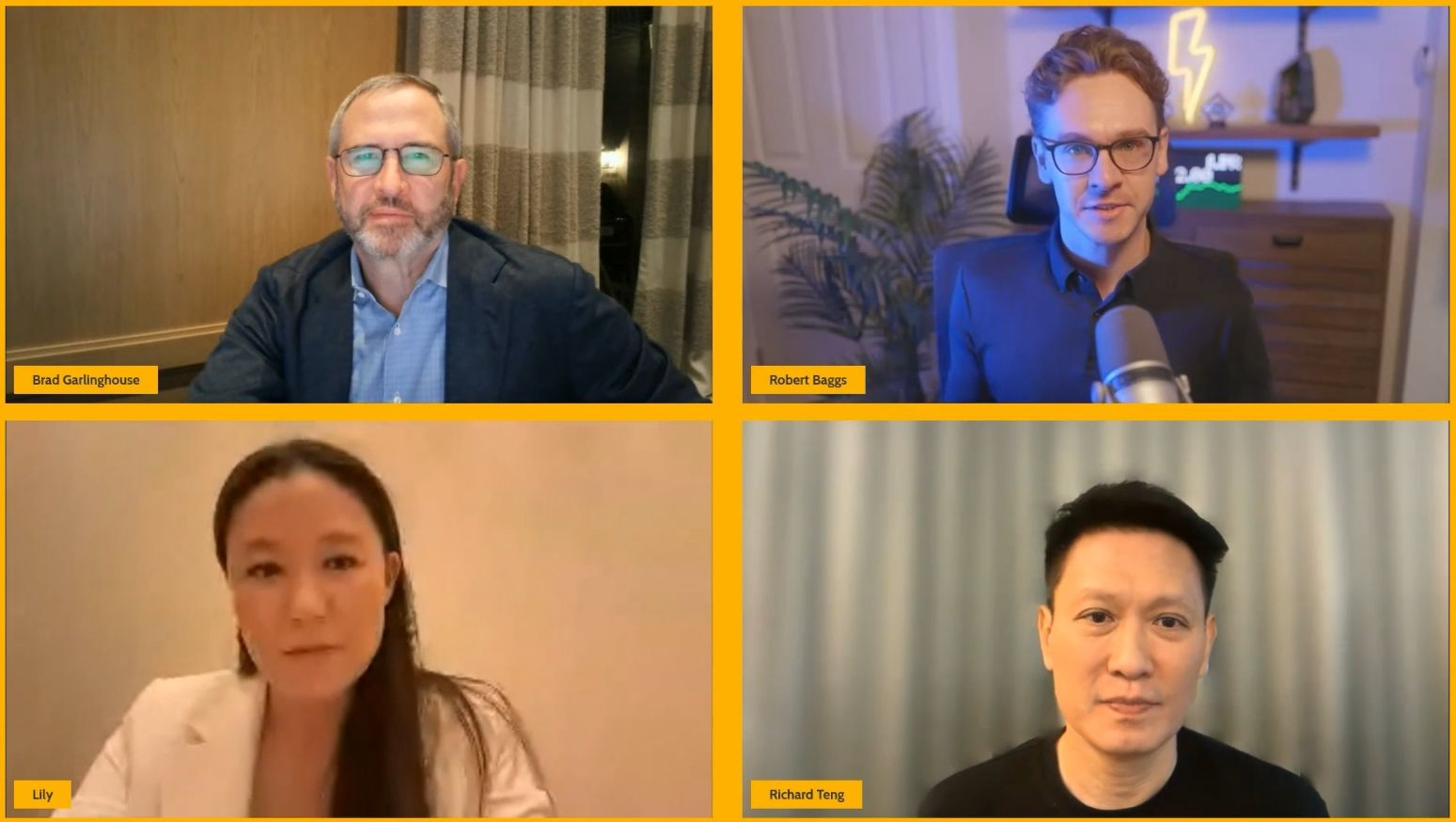
Richard Teng, Lily Liu, and Brad Garlinghouse tackled a question that would have seemed absurd five years ago: are crypto exchanges now competing with Morgan Stanley?
Teng reframed it immediately. Morgan Stanley entering crypto is not a threat. It is validation. When institutions that spent a decade dismissing crypto are now undercutting competitors on fees to capture crypto market share — that is the most powerful signal the industry has ever received.
But Teng drew a clear line. TradFi firms are offering wrappers around crypto assets. Binance is building native infrastructure with deep liquidity, full product suite, and 24/7 markets. The next billion users are not Morgan Stanley clients. They are the 1.4 billion people excluded from financial services entirely.
Garlinghouse delivered the most actionable macro update of the summit. Prediction markets currently price a 70% chance the Clarity Act passes this year. When it does, the largest US financial institutions sitting on the sidelines will stop dabbling and start committing.
"This is an unlock for the largest financial institutions that have leaned out and been paused." — Brad Garlinghouse
Lily Liu framed why US regulation matters beyond America. The US is 15% of global GDP but 50 to 60% of global capital markets. The Clarity Act does not unlock one market. It sets the template every other jurisdiction will follow.
Stablecoins already proved this thesis. After the GENIUS Act passed, Hong Kong moved within months to issue its own stablecoin framework. Regulatory clarity in the US creates regulatory momentum globally.
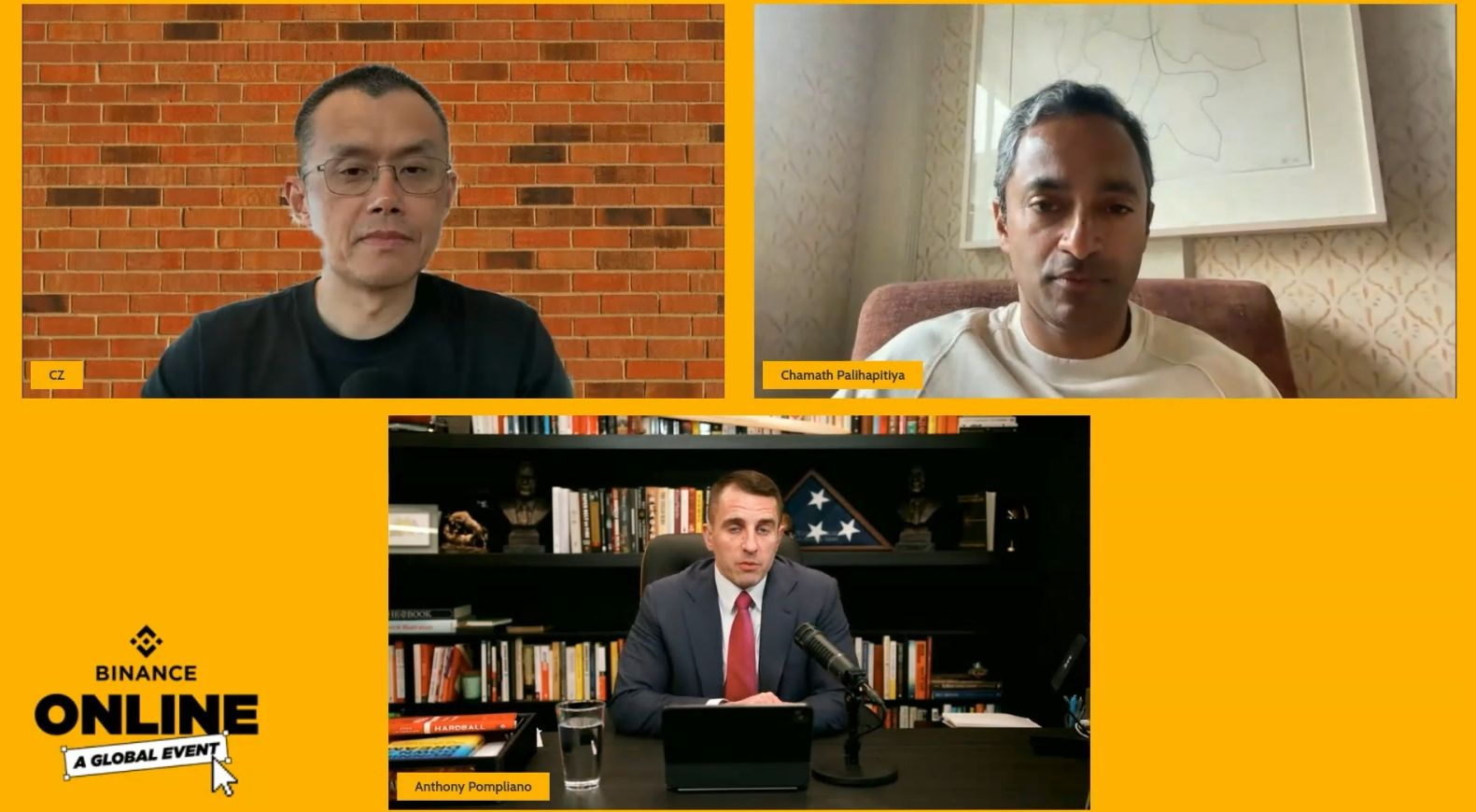
🧠 SESSION 3 — CZ, Chamath and Pomp: Where Smart Money Is Actually Going
Three of the most connected capital allocators in the world. One conversation. Zero filter.
Chamath's four investment themes right now: AI infrastructure from land to chip to data center. Physical AI hardware — battery technology for robotics and rare earth supply chains. The AI control plane — software managing humans, agents, and multiple AI models simultaneously. Distributed compute — how everyday people participate in AI training and inference economics.
Notice what is not on that list. Not meme coins. Not hype narratives. Real assets. Real infrastructure. Real economics.
CZ was direct. Large capital goes into AI data centers, power infrastructure, and chips. Small capital goes into early software bets. And one specific outcome drives everything — making all crypto infrastructure agentic ready.
"You should just say: convert 10% of my portfolio into BNB. And the agent just does it. That is where we are going." — CZ
Pompliano brought the data point that stopped the room. Users managing portfolios with AI tools are growing their net worth faster than those who do not. Not marginally. Measurably. Because AI removes bias, automates the right actions, and handles complexity humans consistently get wrong.
Smart money does not chase narratives. Smart money prepares and waits.
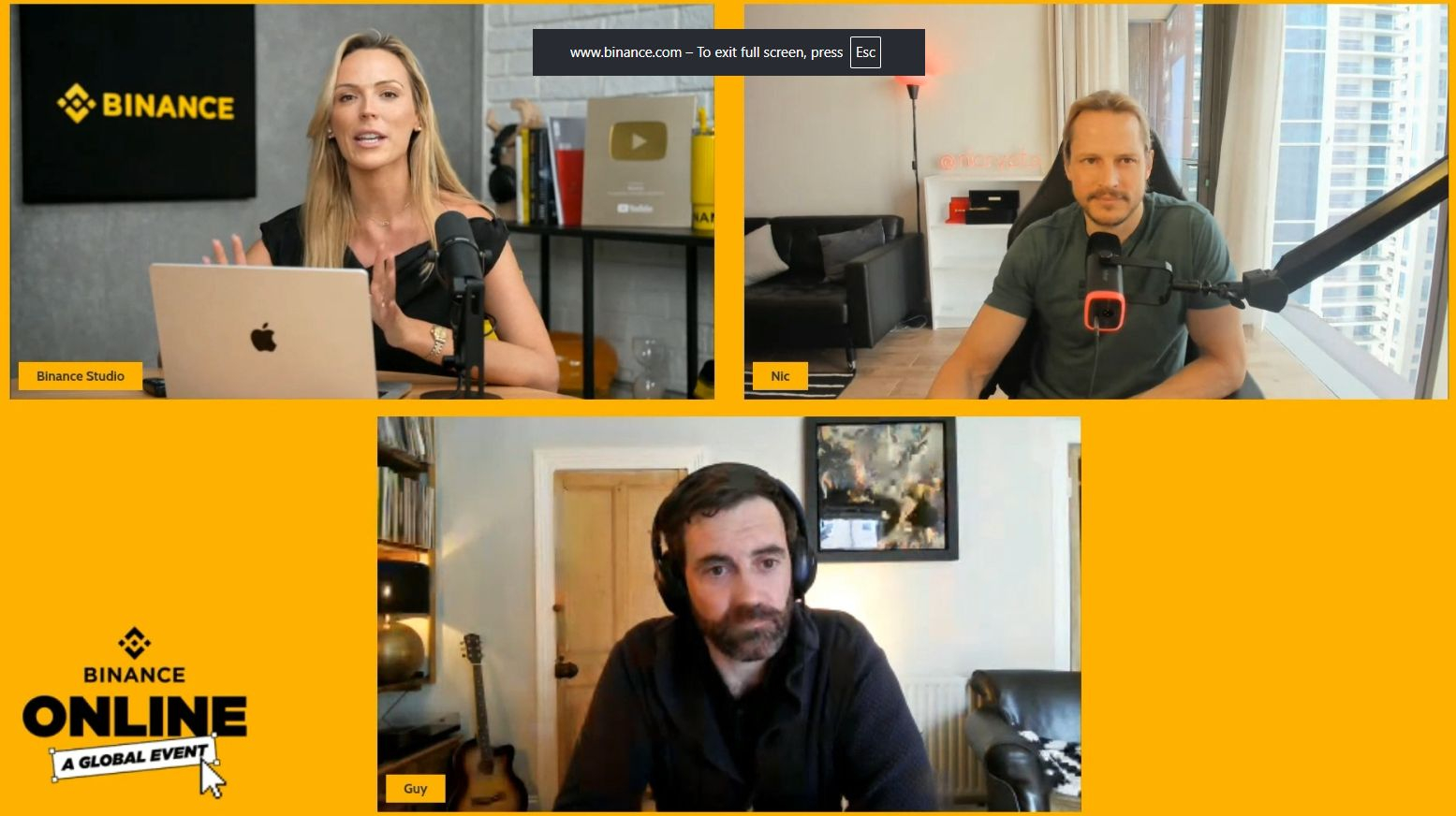
📊 SESSION 5 — Coin Bureau's Unfiltered Market Playbook
Guy Turner and Nic Puckrin from Coin Bureau have watched every cycle, survived every crash, and distilled it all into advice that works for real people.
Their macro read was honest. Bitcoin holding around $80K sits at a critical resistance level. The Iran conflict is driving oil above $100 per barrel creating supply-side inflation the Fed cannot solve with rate adjustments. Kevin Warsh has a historical record as a monetary hawk. PIMCO has publicly flagged the possibility of rate hikes this year.
The macro environment is not a tailwind. But their portfolio thesis cuts through the noise clearly.
Core allocation to Bitcoin — minimum 30 to 50%. Macro hedge, store of value, deepest liquidity. Ethereum as a productive second position — you can earn yield on it. Selective Layer 1 and Layer 2 exposure based on real adoption fundamentals not Twitter narratives. A small speculative allocation to emerging themes — Perp DEXs, AI and crypto intersection plays, RWAs.
Narratives Coin Bureau flagged as highest conviction for the rest of 2026: HyperLiquid and Perp DEXs moving beyond crypto natives into traditional financial instruments. Prediction markets — Polymarket is now cited in mainstream news. Privacy coins gaining traction as users realize blockchain transactions are not anonymous by default. AI agent payment rails — specifically the X402 protocol enabling AI-to-AI crypto payments.
Nic's closing point is the one to remember: investors who built portfolios based on thesis and conviction significantly outperformed those who chased tips and narratives. The edge now belongs to people who think — not people who react.
🤖 SESSION 6 — AI and Crypto: The Intersection Everyone Is Watching But Nobody Fully Understands Yet
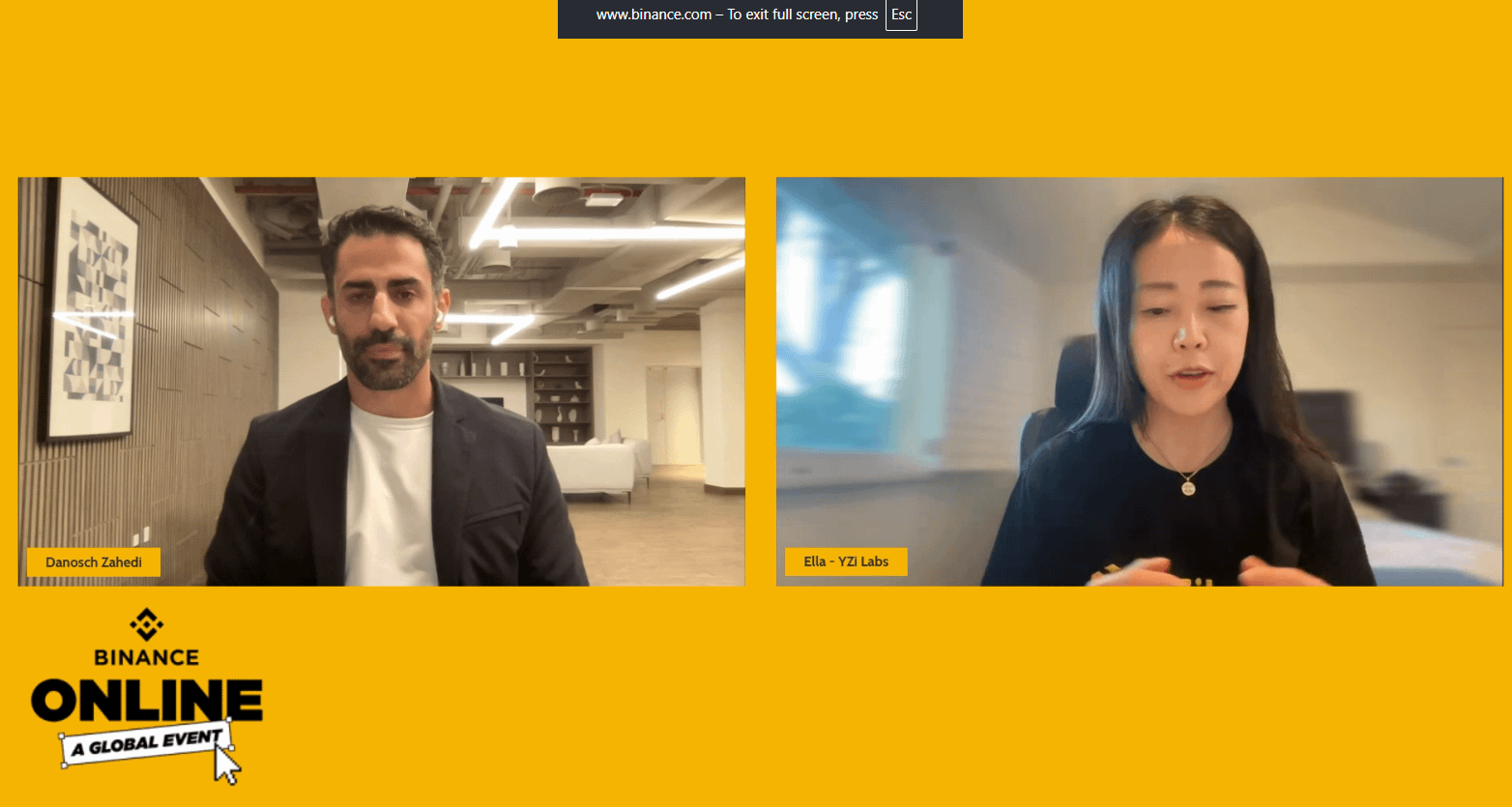
Ella Zhang from YZi Labs delivered the session with the longest shelf life.
The core thesis is simple. Before AI agents can do anything meaningful in finance, they need payment rails that work at machine speed, at micro-transaction scale, with near-zero fees.
Traditional payment infrastructure cannot do this. Credit cards cannot do this. A one-cent API call cannot be settled through SWIFT.
Crypto can do this. Stablecoins are purpose-built for exactly this use case.
Lily Liu said it plainly earlier in the day: if there is going to be any kind of agentic economy, the only financial rails those agents can use between one another are cryptocurrency. It is not a competitive advantage for crypto. It is definitional.
YZi Labs is investing across the entire AI and crypto stack — from distributed compute projects letting anyone contribute hardware to training pools, to application layer infrastructure where AI agents execute trades, manage micro-payments, and store data autonomously.
The machine economy is nascent. But infrastructure must be ready before demand arrives — not after.
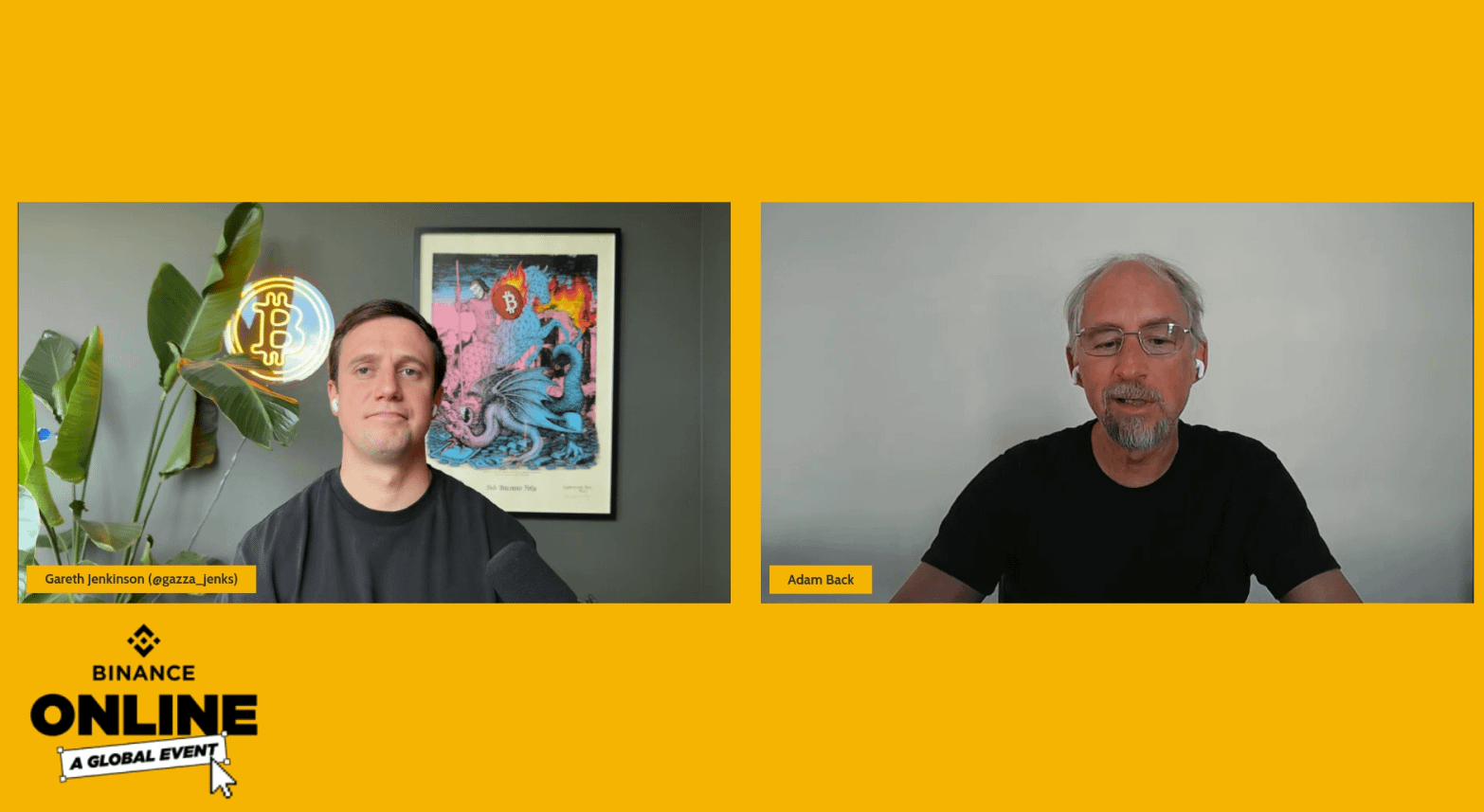
⚡ SESSION 8 — Adam Back and the Long Game of Bitcoin
Adam Back needs no introduction. Creator of Hashcash. Central figure in the cypherpunk movement. The man the New York Times recently named one of the most credible candidates to be Satoshi Nakamoto.
His session was a masterclass in long-term thinking. Bitcoin Layer 2 development. Quantum resistance as a real engineering challenge — not a distant theoretical concern. The evolution of Bitcoin infrastructure from a peer-to-peer system toward the reserve asset layer of an entirely new financial architecture.
Back's perspective is built on decades of work most people in crypto cannot access — the pre-Bitcoin conversations, the cryptographic foundations, the decisions made before anyone was watching.
The long game on Bitcoin is not about price. It is about what happens when the world's financial infrastructure — both traditional and crypto — converges on a single neutral reserve asset.
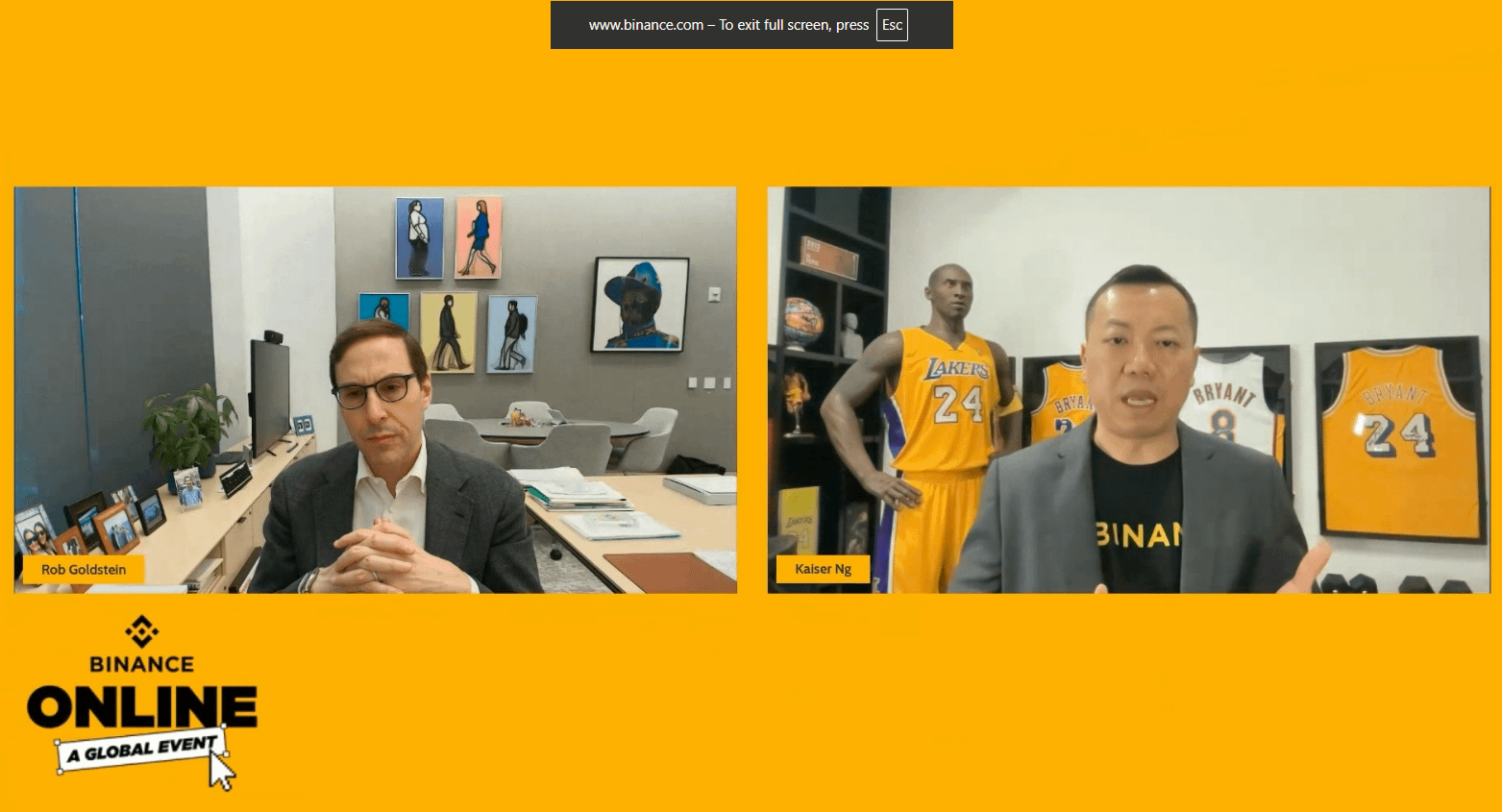
🏆 SESSION 10 — BlackRock COO Just Said Something Wall Street Cannot Ignore
Rob Goldstein, COO of BlackRock — over $14 trillion AUM — sat down with Kaiser Ng for what may be the most important 20 minutes of the entire summit.
The headline: tokenization is not coming. It is already here. And we are not even at the first inning.
Total tokenized assets on chain today sit at approximately $30 billion. That sounds large until you compare it to hundreds of trillions in traditional financial assets. The gap between where we are and where this is going is not a percentage. It is multiples. Three times. Five times. Sustained over many years.
BUIDL — BlackRock's tokenized money market fund — now accepted as trading collateral on Binance. IBIT — their Bitcoin ETF — became their most successful product launch in the history of the firm. A new Bitcoin income fund generating yield beyond price appreciation.
But the most important thing Goldstein said was not about any product. It was about conviction.
"If you ask the leadership of BlackRock to raise their hand if they believe the amount of wealth stored in digital wallets is going to go up — everyone would raise their hand."
When the COO of BlackRock says that publicly, every institution still sitting on the sidelines takes notice.
Goldstein's closing thesis on AI and digital assets is the one that will be quoted for years. AI agents operating on behalf of companies will need to transact. They will not log into a bank. They will operate on digital rails. That shift alone will create exponential growth for digital assets in ways most people have not yet begun to model.
"What is happening with AI is going to be a force multiplier for digital assets. And digital assets are going to be a key enabler for AI adoption at the enterprise level." — Rob Goldstein, BlackRock COO
The bridge between Wall Street and crypto is no longer being debated. It is being built. By BlackRock. On Binance.
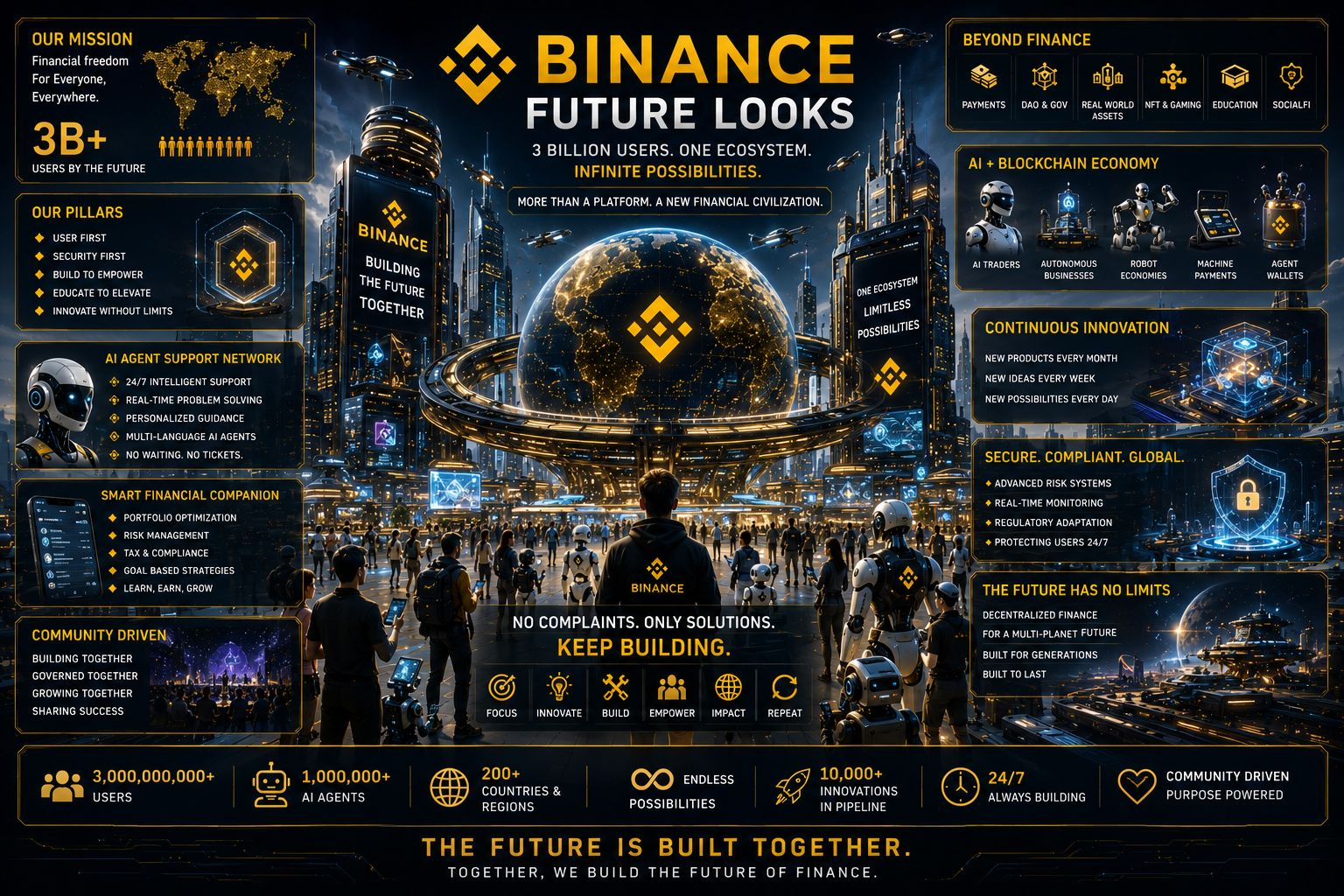
🚀 The Bigger Picture Nobody Is Saying Out Loud
Here is what Binance Online 2026 actually showed when you look at all sessions together.
The walls between crypto and traditional finance have already fallen. BlackRock is building on BNB Chain. Institutional capital flows through Binance infrastructure. Governments write regulation that assumes crypto is permanent. The world's largest asset manager says digital wallets will hold more wealth every year going forward.
The next phase from 310 million to 3 billion will not come from wealthy investors adding crypto to portfolios. It will come from the 1.4 billion people who have no portfolio at all. Stablecoins are the first financial infrastructure that actually reaches them.
And underneath everything, AI agents are about to generate demand for crypto payment rails at a scale no human-driven adoption curve has ever produced. Machine to machine payments. Micro-transactions at API speed. An economy that never sleeps and never pays SWIFT fees.
Binance Online 2026 was not a celebration of how far crypto has come.
It was a briefing on how much further it is going.
Which session hit different for you? And what is the one insight that changes how you think about the next 12 months?
Drop it below and let us build the conversation 👇