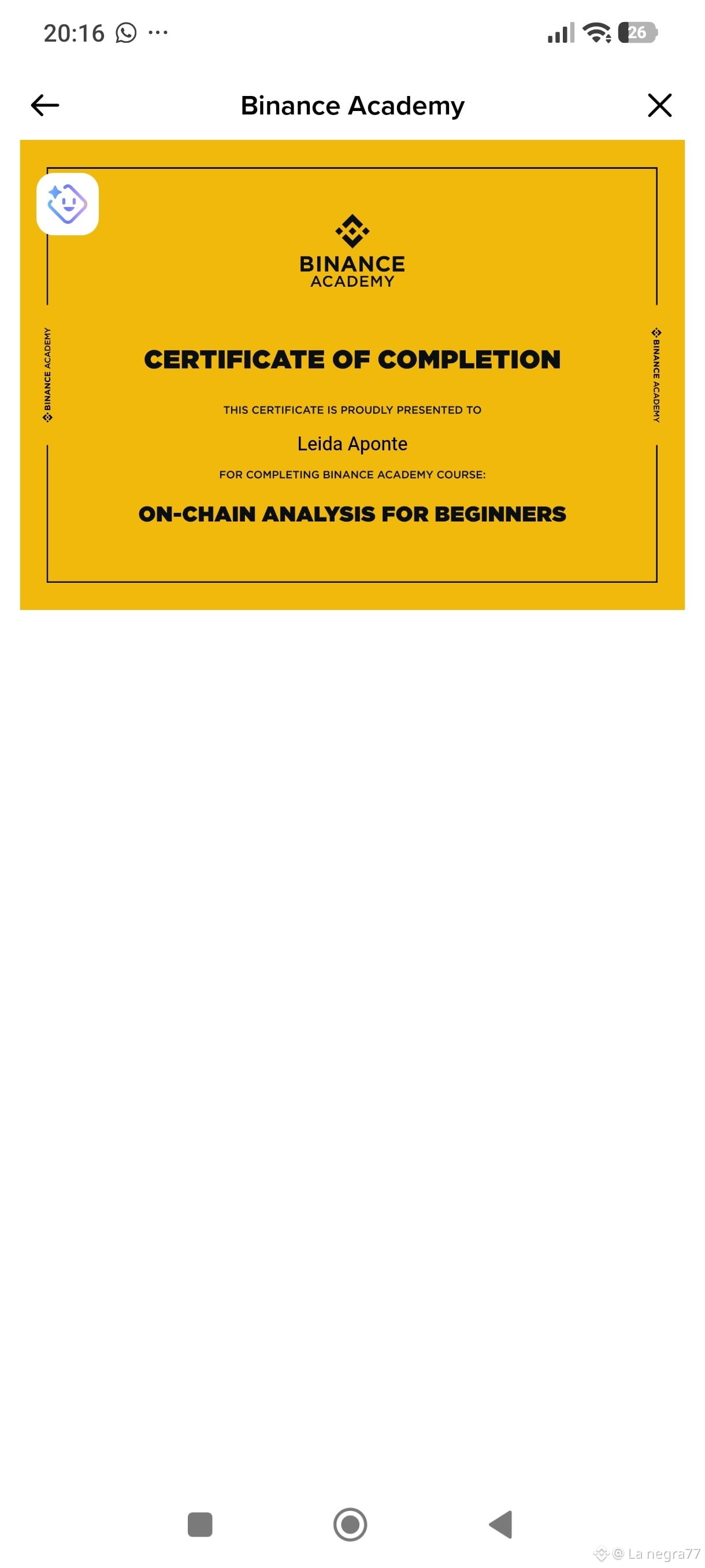
On-Chain Analysis for Beginners: Reading the Blockchain Ledger
Ever wondered how investors know what crypto "whales" are doing before a big market move? 🐋 They use On-Chain Analysis.
Unlike traditional finance, where Wall Street data is hidden behind closed doors, public blockchains like Bitcoin and Ethereum record every single transaction in a public ledger. On-chain analysis is the practice of reading this data to understand market behavior.
Let's break down the three fundamental concepts you need to know to get started:
1. 👛 Exchange Flows (Inflows vs. Outflows)
Tracking how tokens move in and out of centralized exchanges (like Binance or Coinbase) is one of the easiest ways to gauge market sentiment.
Inflows (Tokens moving TO exchanges): This usually signals selling pressure 📉. Investors move assets to exchanges when they want to trade or cash out.
Outflows (Tokens moving TO private wallets): This signals holding behavior (HODLing) 📈. Investors are moving assets to cold storage for long-term safekeeping, reducing the circulating supply available for sale.
2. 🐋 Whale Tracking
"Whales" are individuals or entities that hold massive amounts of a specific cryptocurrency. Because their trades are so large, they can single-handedly move market prices. By monitoring known whale wallet addresses, beginners can spot whether large players are accumulating more crypto or preparing to dump their holdings.
3. 📊 Network Health Metrics
You can measure the actual adoption and utility of a blockchain using simple metrics:
Active Addresses: The number of unique wallets participating in transactions daily. More active addresses usually mean a healthier, growing ecosystem.
Transaction Count: How busy the network is. High activity often correlativa with bullish market interest.
I'll ask guiding questions along the way to help you master these concepts. To start our exploration, which of these areas would you like to dive into first? 👇
🔍 Reading a Blockchain Explorer: How to look up a real wallet address and read its transaction history using tools like Etherscan.
📈 An Analogy for Exchange Flows: A real-world parallel to help you intuitively memorize what inflows and outflows mean for prices.
🛠️ Popular Free Tools: The best platforms beginners can use right now to see on-chain charts without needing to code.
#cryptouniverseofficial $BNB $USDC ypto #OnChain #Blockchain #CryptoInvesting #Web3 #Bitcoin #Ethereum #CryptoEducation #DeFi #DataAnalysis