
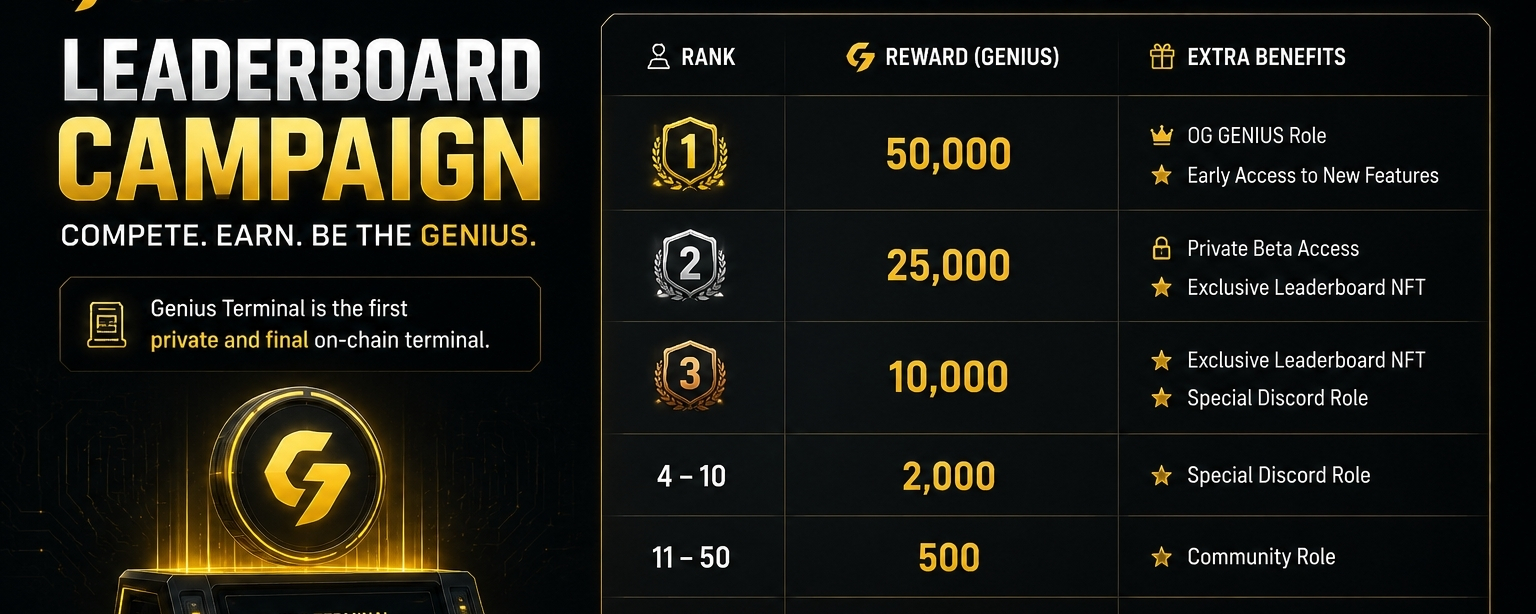
How many tabs do you have open when you're researching crypto?
If you're anything like me, it's probably way too many.
A charting platform in one tab. A wallet tracker in another. Maybe an explorer, an analytics dashboard, a few X posts, and several project pages. Before long, finding information becomes a task of its own.
That's why I started paying attention to @GeniusOfficial and its vision for Genius Terminal.
At first glance, it sounds simple: an on-chain terminal designed to help users access blockchain data and insights in one place. But the more I thought about it, the more I realized it touches on two issues that many crypto users deal with every day—fragmented information and lack of privacy.
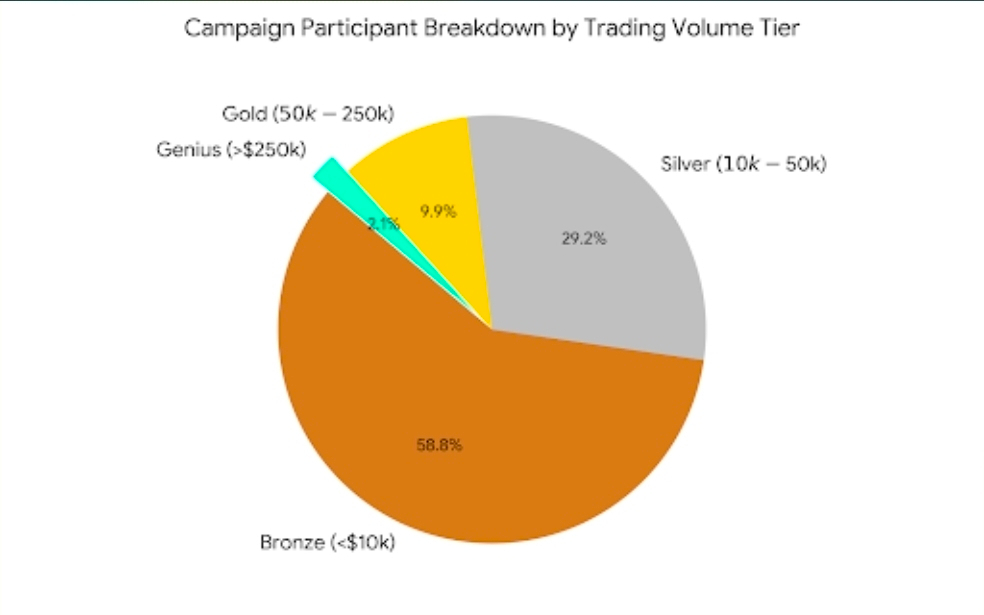
And honestly, both problems are bigger than most people think.
The Problem With Today's Crypto Research Experience
Crypto has more data than ever.
The challenge isn't finding information. The challenge is organizing it.
Most of us jump between multiple platforms just to get a complete picture of what's happening. Researching a project often means opening several tools, comparing different sources, and manually connecting the dots.
It works, but it isn't exactly efficient.
I've had plenty of situations where I spent more time gathering information than actually analyzing it.
That's one reason the idea behind Genius Terminal stands out to me.
What Is Genius Terminal?
Genius Terminal aims to be a central hub for on-chain activity and research.
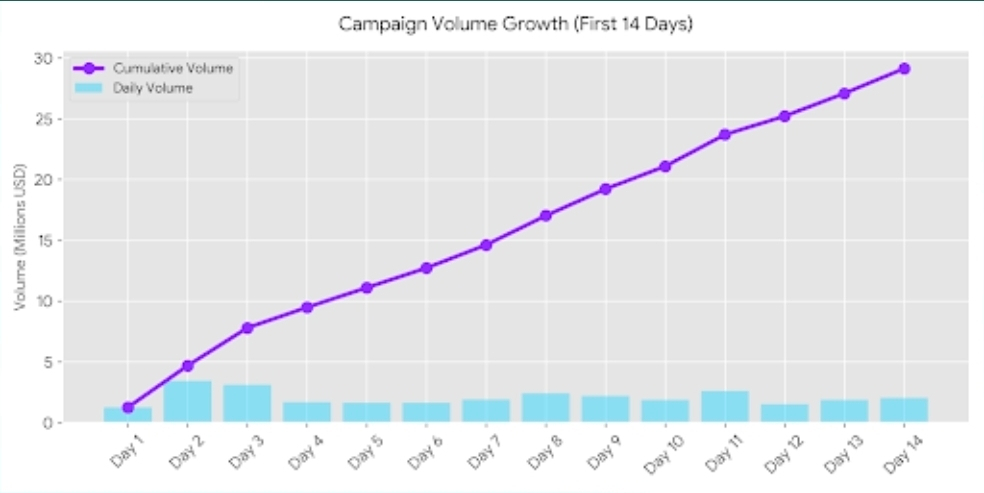
Instead of relying on several different platforms, users can potentially access important blockchain insights through a single environment.
The project describes itself as the first private and final on-chain terminal.
The "final" part suggests an all-in-one experience.
The "private" part is where things become especially interesting.
Why Privacy Matters More Than People Think
Blockchain transparency is one of crypto's greatest strengths.
But transparency has a flip side.
Every transaction is public. Wallet activity can be tracked. Trading behavior can be analyzed. In some cases, anyone can follow the movements of a wallet and build a picture of a user's strategy.
That's not always ideal.
For casual users, this may not seem important. For active traders, researchers, and serious DeFi participants, privacy can matter a lot.
Imagine spending weeks developing a strategy only to have your activity become easy for others to monitor.
I think this is an area that deserves more attention as crypto continues to mature.
That's why Genius Terminal's privacy-focused approach caught my eye.
Rather than focusing only on data collection, the project appears to be exploring ways to help users interact with on-chain information while maintaining greater control over their activity.
What Makes the Idea Interesting?
For me, it comes down to efficiency.
Crypto moves quickly.
Opportunities don't wait while you're searching through five different websites trying to verify information.
A unified terminal could potentially make research faster, cleaner, and less frustrating.
Some possible benefits include:
• Accessing on-chain insights from one place
• Monitoring blockchain activity more efficiently
• Tracking trends across ecosystems
• Reducing information overload
• Maintaining greater privacy while researching
None of these things are revolutionary on their own.
Combined together, though, they could create a much smoother experience for active crypto users.
My Personal Take
I spend a lot of time looking at on-chain activity.
Not because I'm trying to find a magic indicator, but because blockchain data often tells interesting stories before they become obvious to everyone else.
Following wallet activity, ecosystem growth, and market trends can provide valuable context.
The problem is that the process can feel messy.
That's why I find the Genius Terminal concept appealing.
It's not necessarily about having more data.
It's about making existing data easier to use.
In my opinion, tools that simplify research often become more valuable over time than tools that simply add more information.
Looking Ahead
Of course, every project eventually has to prove itself through execution.
A strong idea is only the starting point.
Still, I think the direction is worth watching.
As crypto adoption grows, users will likely demand better research tools, cleaner workflows, and stronger privacy protections.
Projects that can deliver those things may find themselves in a very strong position.
I'm also curious to see how the broader $GENIUS ecosystem develops as the project continues to build.
For now, Genius Terminal remains firmly on my watchlist.
Not because I know exactly how it will perform.
But because it's trying to solve problems that many crypto users already face today.
And sometimes the most useful innovations aren't the flashy ones. They're the tools that quietly make the entire experience better.
What do you think?
Would you use a privacy-focused on-chain terminal if it could simplify your crypto research workflow?
Have you been following @GeniusOfficial and the development of $GENIUS