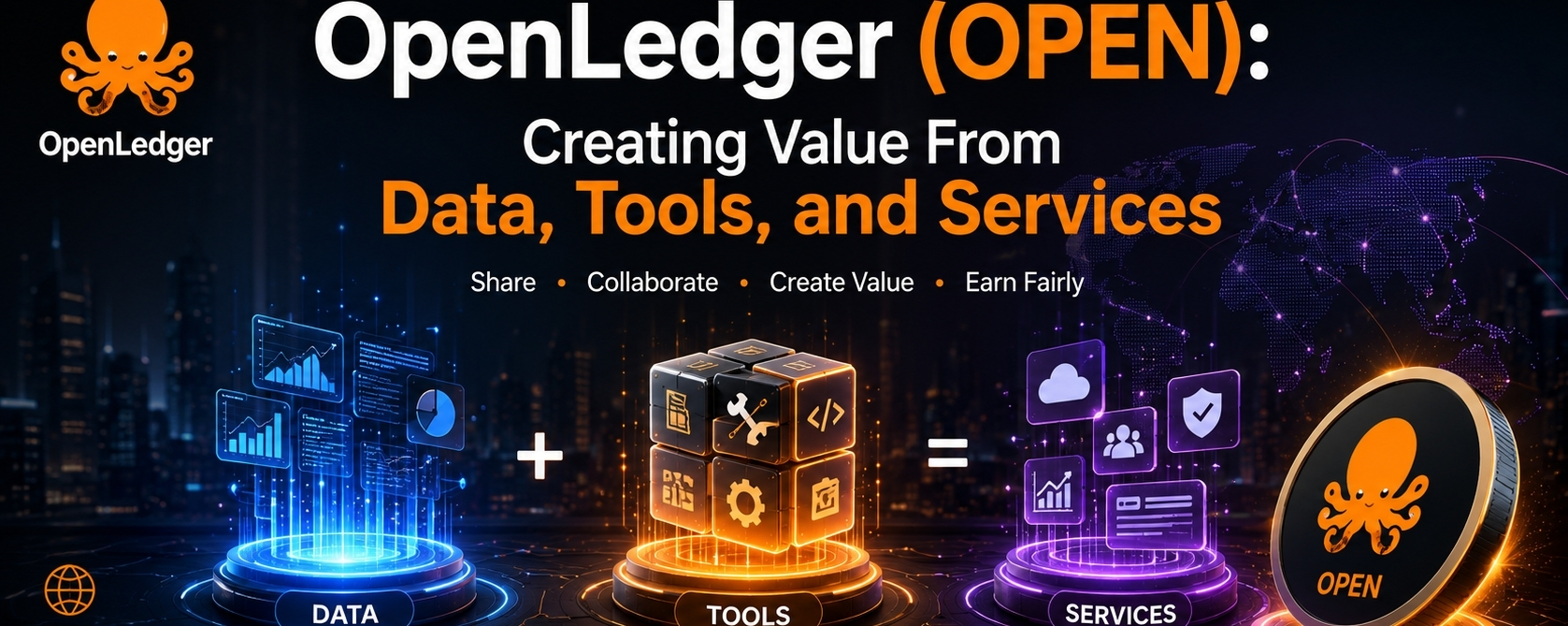
When I first started learning about OpenLedger (OPEN), one thing caught my attention. Many people create useful data, tools, and digital services every day, but they often struggle to receive fair value for their work. OpenLedger is trying to solve that problem by creating a system where these contributions can be recognized and rewarded.
What I find interesting is that OpenLedger focuses on making digital resources more useful and easier to share. Instead of letting valuable work sit unused, the platform aims to help people connect their contributions with others who need them. This creates opportunities for creators, builders, and users to benefit together.
In many online systems today, a lot of value comes from information. People spend time collecting data, improving tools, and building services. However, the people who contribute these resources do not always receive clear rewards. I think this is one of the biggest challenges in the digital world. If people are creating something valuable, there should be a simple way for them to benefit from it.
OpenLedger approaches this challenge by creating a structure where different types of digital assets can be shared and used more efficiently. The goal is not just to store information but to help it move between people who can create value from it. This idea may sound simple, but it can have a meaningful impact when applied on a larger scale.
One aspect I appreciate is the focus on participation. Many projects talk about growth, but growth is difficult when contributors do not feel rewarded for their efforts. OpenLedger appears to recognize that healthy ecosystems depend on people who actively contribute. When contributors can see value in their work, they are more likely to stay involved and continue improving the system.
Another reason I find OpenLedger interesting is its effort to connect different parts of the digital economy. Data, tools, and automated services often exist separately. Bringing them together can help create new opportunities. Someone who owns useful data may connect with a developer who needs it. A creator may build something that others can improve. These connections can help ideas move faster and reach more people.
I also think transparency is important. People want to understand how value is created and how rewards are distributed. When systems become too complicated, trust becomes harder to build. OpenLedger's vision appears to focus on creating clearer paths between contribution and reward. While no system is perfect, moving toward greater transparency can benefit everyone involved.
From my perspective, one of the most important ideas behind OpenLedger is ownership. People naturally care more about projects when they feel connected to the value they create. If contributors have a clear role in the ecosystem, they are more likely to invest their time, effort, and creativity. This can help build stronger communities over time.
Of course, every project faces challenges. Building a system that fairly rewards contributors is not easy. Different people contribute in different ways, and measuring value can be complicated. Success depends on creating fair rules and maintaining trust among participants. These are challenges that any growing ecosystem must address.
Even with these challenges, I believe the direction is worth paying attention to. The digital economy continues to grow, and the need for fair value distribution becomes more important every year. Platforms that help connect contributors with opportunities may play a useful role in the future.
In the end, what stands out to me about OpenLedger is its focus on helping people unlock value from what they create. Whether it is data, tools, or digital services, the goal is to make these contributions more useful and more rewarding. I see this as a practical idea rather than a promise of instant success. Real progress often comes from creating better systems for participation, ownership, and collaboration.
As I continue following OpenLedger, I will be watching how it develops these ideas in practice. If it can help contributors receive fair value for their work while encouraging cooperation across the ecosystem, it may become an interesting example of how digital economies can evolve in the years ahead.
You can publish this directly or adapt it for a blog, Binance Square article, or community post.