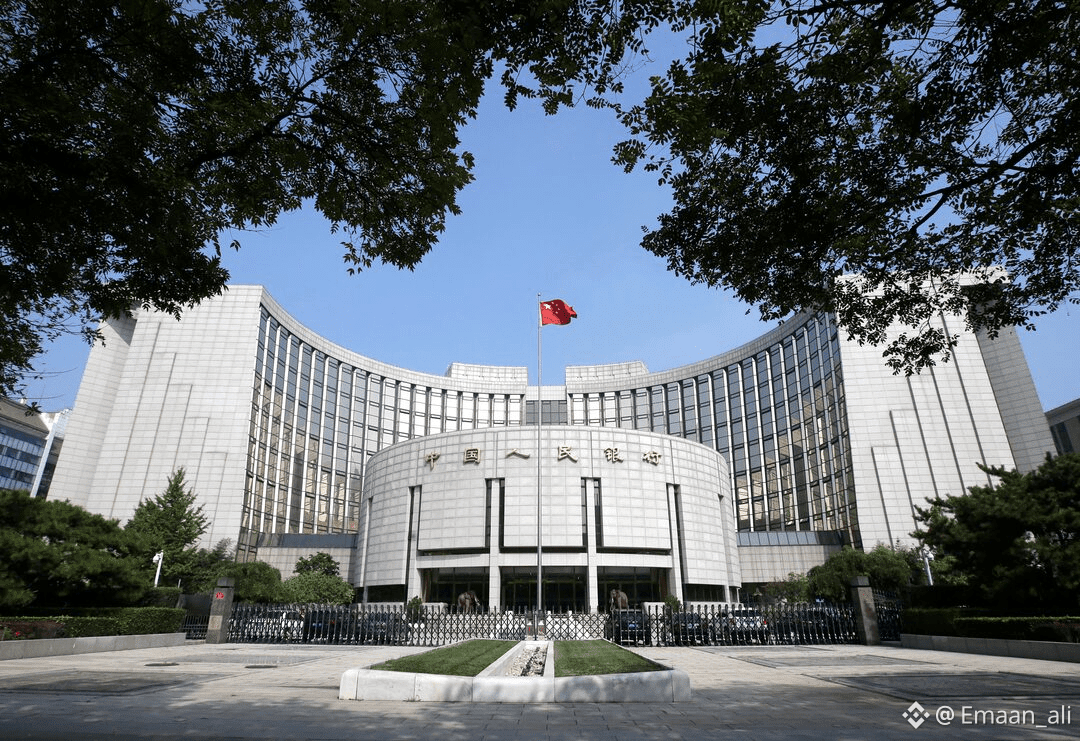
The People’s Bank of China (PBOC) is officially shifting its Central Bank Digital Currency (CBDC) into high gear. Following a decade of rigorous testing and development, the central bank has announced a comprehensive “Action Plan” designed to solidify the digital yuan’s role in the global financial infrastructure.
Set to officially launch on January 1, 2026, this next-generation framework aims to transform the digital yuan from a pilot project into a fundamental pillar of China’s national economy and international trade.
A New Architecture: Interest-Bearing Digital Wallets
One of the most significant revelations from Deputy Governor Lu Lei is the introduction of a “two-tier architecture.” In a move to incentivize adoption, the plan clarifies that commercial banking institutions holding digital yuan wallets will now pay interest to clients based on their digital asset balances.
This strategic shift is intended to:
Encourage Savings: By offering interest, the PBOC is positioning the digital yuan as a viable "store of value," not just a medium for daily transactions.
Empower Banks: Commercial banks will be granted the autonomy to independently manage the assets and liabilities of their digital yuan wallet balances.
Drive Circulation: The move creates a "compatible incentive arrangement" to ensure the currency flows smoothly through the financial system.
Global Ambitions and the Shanghai Hub
The PBOC isn't just looking inward. The Action Plan arrives on the heels of the establishment of a new digital yuan operations center in Shanghai. This hub is focused on three critical technological frontiers:
Cross-border payment rails
By focusing on these areas, China is signaling its intent to make the digital yuan a "universal standard" for international settlements, potentially bypassing traditional systems that have long been dominated by the US dollar.
Overcoming Roadblocks: The "Recoup" Strategy
Despite the ambitious rollout, the journey hasn't been without friction. The PBOC is currently navigating several "bottlenecks," as described by Charles Chang of Fudan University.
Challenge:mBridge Setbacks
Impact:The multilateral cross-border platform faced scrutiny from the BIS over concerns regarding sanction circumvention.
Challenge:Market Competition
Impact: Established mobile payment giants (like Alipay and WeChat Pay) remain deeply entrenched in consumer habits.
Challenge:User Reluctance
Impact: General consumer inertia has slowed the transition from traditional digital payments to the official CBDC.
The Road to 2026
The 2026 Action Plan is more than just a software update; it is a coordinated effort to safeguard financial stability and enhance the "measure of monetary value" in a digital-first world. With a new Digital RMB Management Committee being formed to oversee supervision and business lines, China is betting that a more structured, interest-bearing model will finally break through adoption barriers.
As the January 1 launch date approaches, the global financial community will be watching closely to see if this "new generation" framework can truly redefine the nature of money.#BTCVSGOLD #WriteToEarnUpgrade #Yuan