
A lot of systems look strong on the day they open.
The real test comes later, when nothing special is happening.
Markets don’t break during announcements. They wear down during routine. Midweek settlements. Quiet rebalances. Compliance checks that don’t make headlines. The long stretch where the system is expected to behave the same way it did yesterday, and the day before that.
Dusk is shaped around that stretch.
It does not assume constant attention. It does not rely on observers catching anomalies in real time. It expects fatigue, handovers, partial context, and human limits. The network is built to keep moving even when nobody is watching closely.
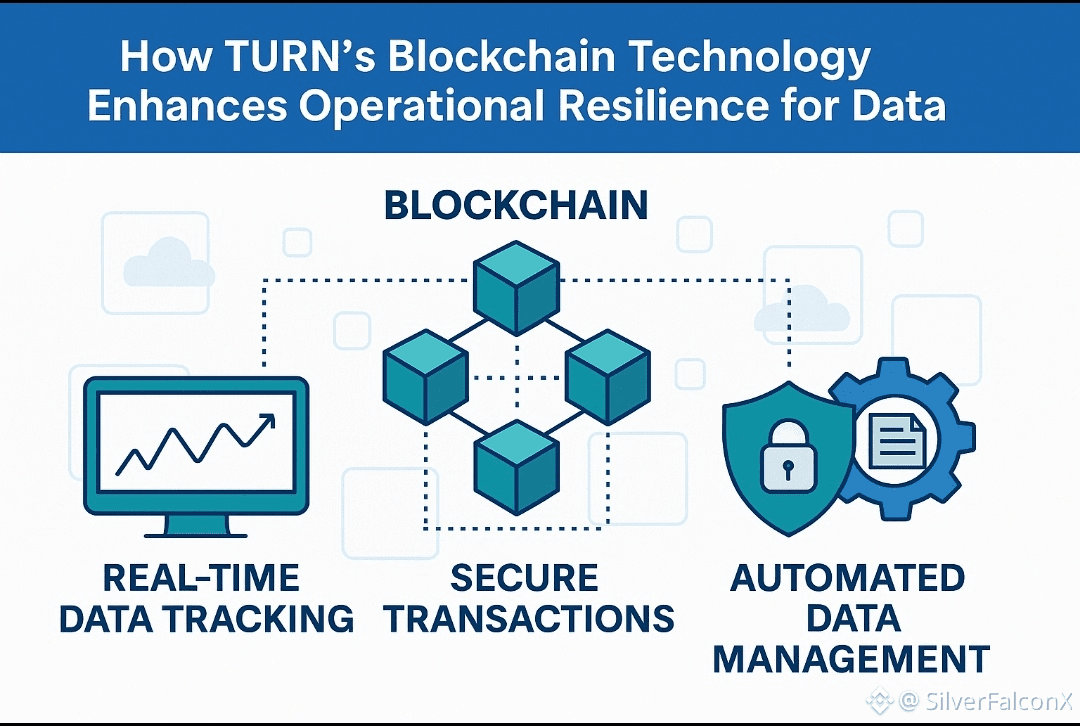
This is where many DeFi systems struggle. They perform well when activity is high and incentives are sharp. When attention drops, shortcuts creep in. Dashboards replace guarantees. Manual checks fill gaps the protocol didn’t close. Over time, the system works—but unevenly.
Dusk avoids that slope by narrowing what needs to be maintained.
Like a power grid designed to handle off-peak hours without intervention, the network emphasizes predictable load, controlled access, and repeatable outcomes. Settlement does not depend on interpretation. Participation does not expand informally. If conditions are met, the system proceeds. If they are not, nothing advances.
That predictability changes behavior.
Operators are not rewarded for heroics. Builders are not encouraged to ship around edge cases. Participants do not need to monitor every movement to feel safe. The system carries more of the burden itself.
There is an economy to this restraint. Fewer alerts. Fewer reconciliations. Fewer “temporary” fixes that quietly become permanent. Over time, the cost of operating the system flattens instead of compounding.
In regulated finance, that flattening matters.
Compliance is rarely about catching bad actors in dramatic moments. It is about demonstrating consistency across ordinary ones. Showing that rules were followed on uneventful days. Proving that exposure did not drift when nothing demanded attention.
Dusk aligns naturally with that requirement. Privacy limits unnecessary visibility, but accountability remains anchored. The system does not ask to be trusted because it is open. It asks to be trusted because it behaves the same way under repetition.
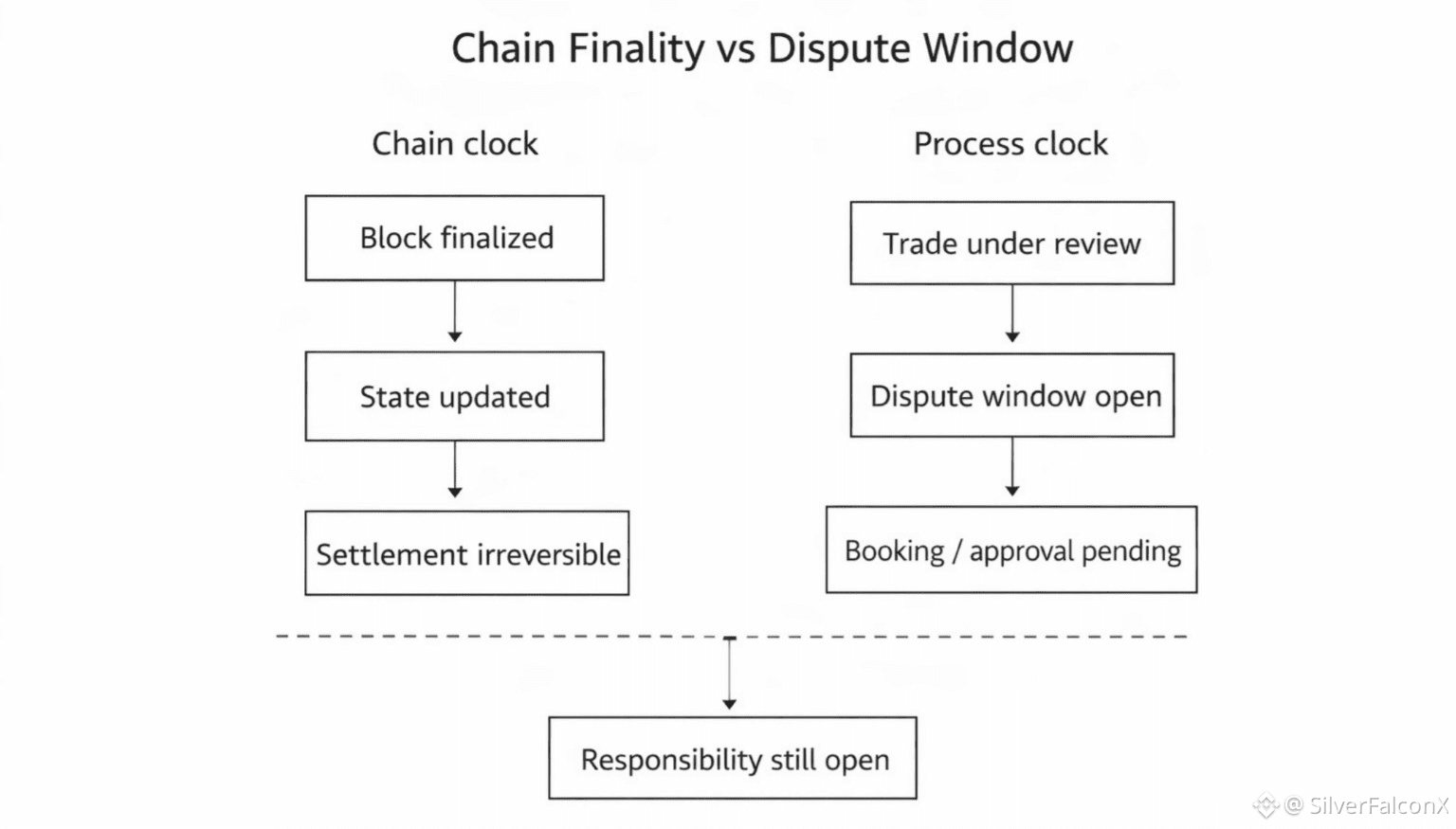
Think of a freight line rather than a racetrack. Speed is not the metric. Arrival without incident is. Schedules matter more than spectacle. Reliability beats acceleration.
This also affects how risk is felt. Instead of spiking during volatility, risk becomes something the system absorbs gradually. Fewer sharp edges appear because fewer improvisations are allowed. The network stays boring in the way mature infrastructure is boring.
Dusk is not optimized for moments. It is optimized for continuity.
That makes it less visible in fast cycles and more durable across slow ones. As DeFi edges closer to environments where obligations persist beyond a block or a market phase, that durability becomes a competitive advantage.
Systems that survive are rarely the loudest. They are the ones that keep working when attention moves elsewhere.
Dusk is built for that quiet span, where finance actually lives. #Dusk @Dusk $DUSK
