
Collateral is rarely about value alone. It is about timing, restraint, and knowing when not to move.
In many DeFi systems, collateral behaves like water on a slope. The moment pressure appears, it starts flowing—re-hypothecated, bridged, optimized, stacked into new positions. This flexibility is celebrated. It also amplifies risk in ways that only become visible after the fact.
Dusk takes a different posture. Collateral is treated more like ballast than fuel.
Assets on Dusk are expected to sit still when stillness is required. Eligibility is checked before movement. Conditions are verified before release. The system prefers friction at the edges rather than surprises at the center. What looks inefficient in isolation becomes stable in aggregate.
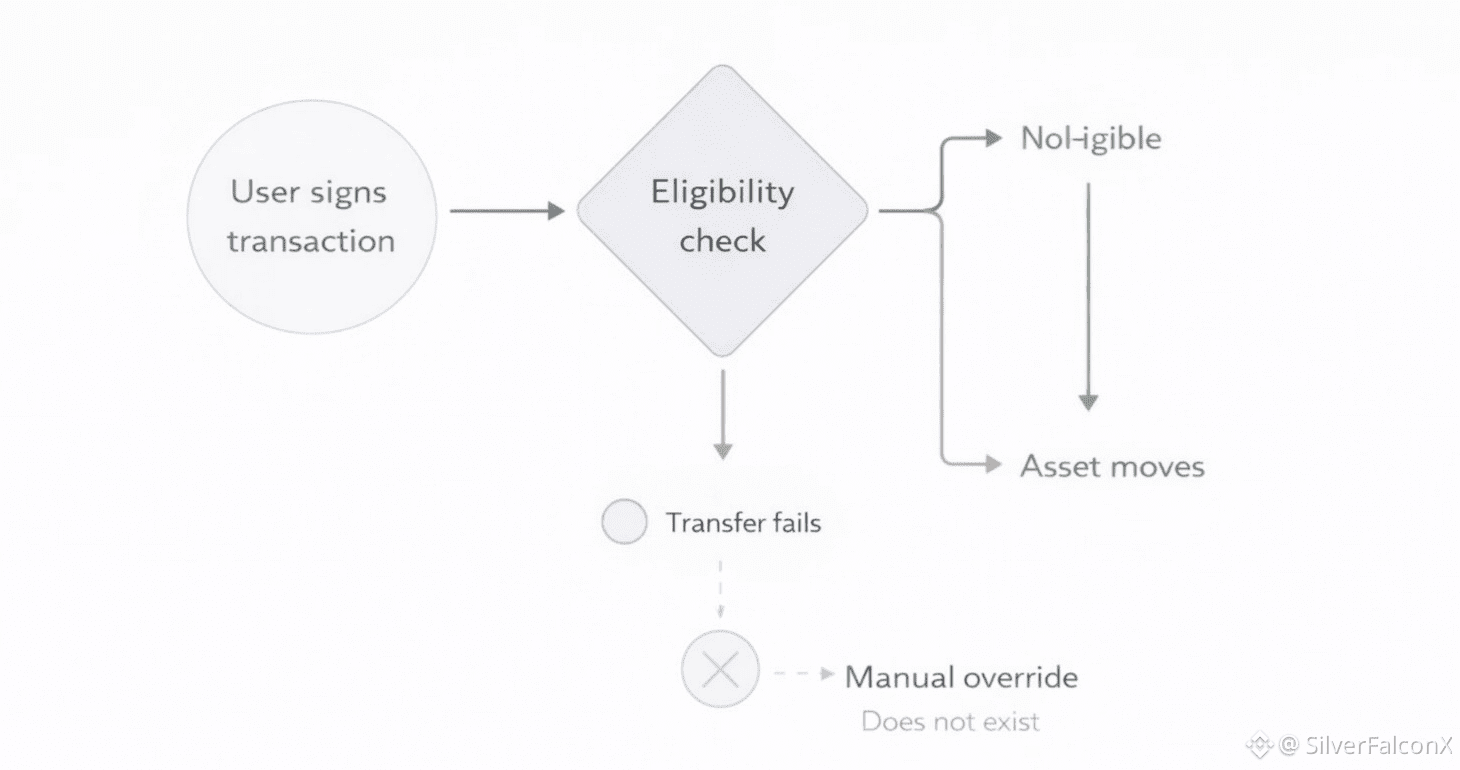
This matters when assets carry obligations beyond the protocol. Tokenized securities, regulated funds, instruments with custody rules. In those contexts, collateral cannot behave opportunistically. It must behave predictably.
A bridge that opens only when clearance is granted. A vault that unlocks only at the scheduled hour. A ledger that advances in steps rather than bursts. These rhythms shape behavior upstream. Builders design flows that respect pauses. Operators plan around windows instead of chasing throughput.
Public chains often rely on transparency to manage collateral risk. Everyone can see positions. Everyone can react. That visibility invites speed. Speed invites reflex. Reflex invites correlation.
On Dusk, less is visible. The reaction loop slows. Risk is managed by constraints rather than crowds. The system absorbs pressure without broadcasting it.
There is a warehouse logic to this approach. Goods arrive, are logged, and remain until paperwork clears. Forklifts do not race because nothing is gained by arriving early. The work proceeds in order, and the inventory stays legible.
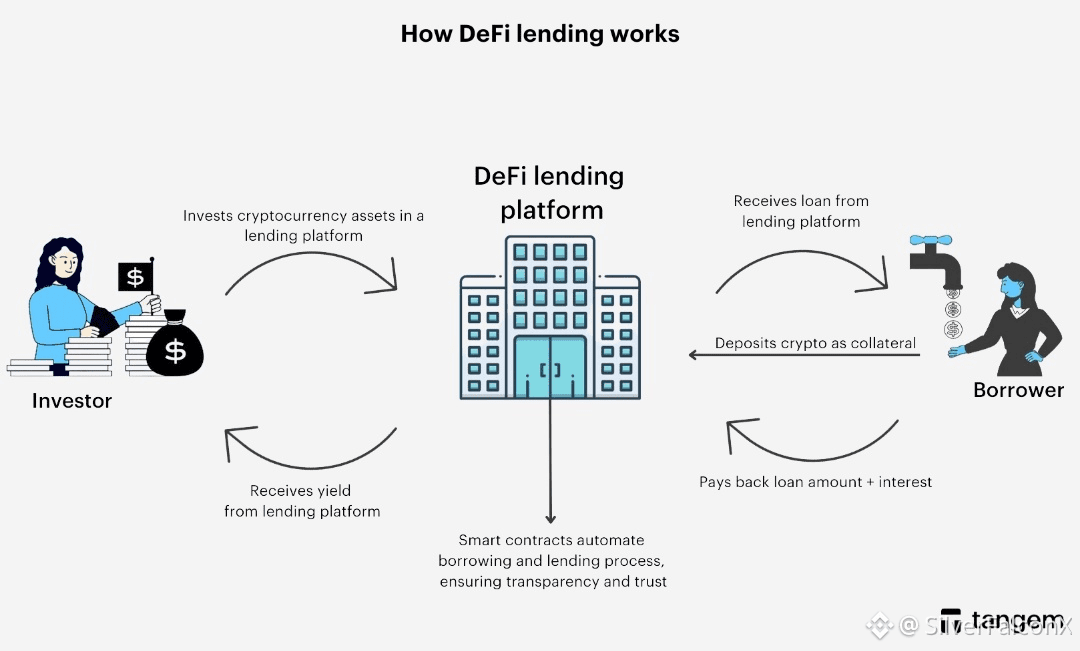
DeFi composability still exists here, but it is gated by intent. Assets move because a rule is satisfied, not because an opportunity flashed by. That difference accumulates over time. Fewer cascades. Fewer emergency patches. Fewer moments where collateral is technically present but operationally unavailable.
For institutions, this predictability is not a luxury. It is a requirement. Risk committees do not price optionality well. They price adherence. Systems that enforce stillness when needed reduce the number of assumptions humans must make under stress.
Dusk’s design turns collateral management into a series of commitments rather than a chain of reactions. Once locked, it is locked. Once released, it is released. The transitions are deliberate.
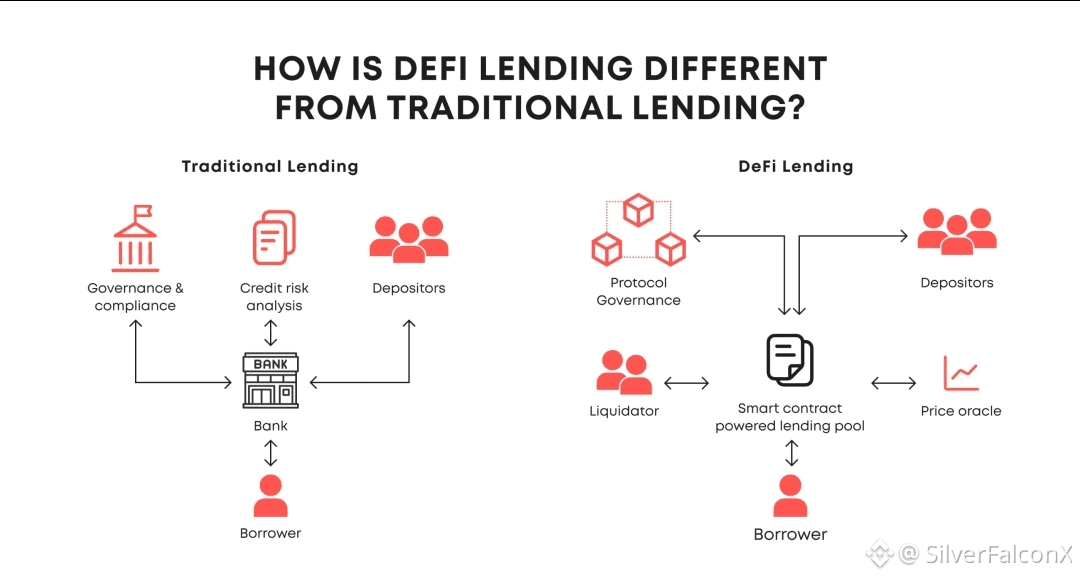
This restraint does not eliminate risk. It reshapes it. Volatility does not disappear, but it stops propagating through hidden channels. The system remains intelligible even when markets are not.
DeFi has spent years learning how to move capital faster. The next phase may be about learning when not to move it at all.
Dusk is built for that lesson... quietly, consistently, and with an eye on the balance sheets that cannot afford improvisation. $DUSK #Dusk @Dusk
