
The network does not assume that visibility equals safety. @Dusk assumes the opposite... that safety comes from reducing what can go wrong in the first place.
On Dusk, transactions are not treated as messages flying through a public square. They resemble sealed envelopes moving through a controlled corridor. Each envelope carries just enough information to be processed, nothing more. The corridor does not speed up because someone is watching. It moves at the pace required to keep everything intact.
This design choice shows up everywhere.
Assets on Dusk are not free-floating abstractions. They arrive with conditions attached. Who can hold them. When they can move. What must be proven before settlement is considered complete. These rules are not enforced socially or retroactively. They are embedded, like rails that keep a train aligned long after the conductor has stepped away.
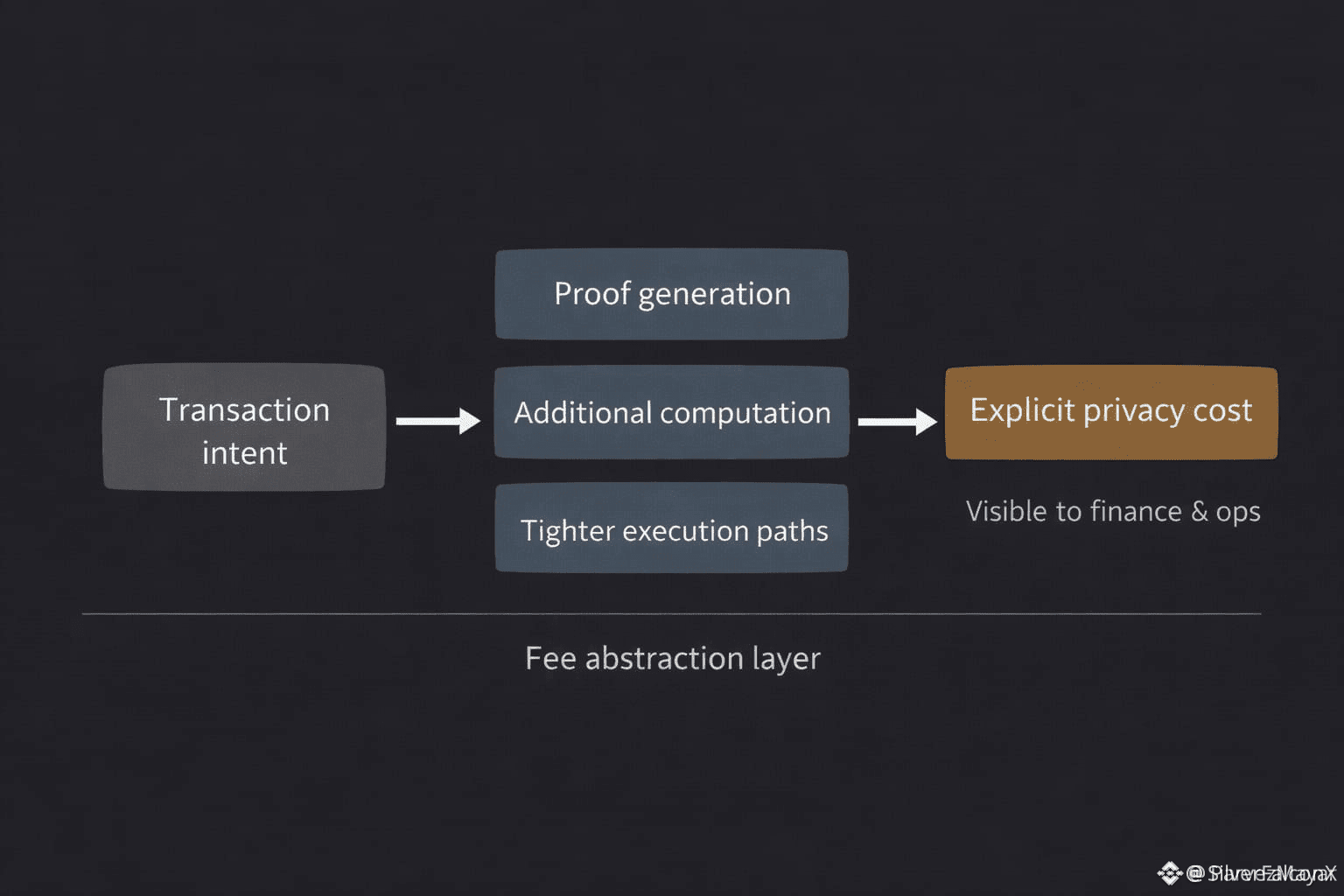
Most DeFi systems rely on openness to coordinate behavior. When something looks wrong, users react. Developers intervene. Markets self-correct—sometimes. Dusk removes that reflex loop. There is less to react to, because fewer states are allowed to exist.
Think of a well-run archive. Documents are not constantly inspected by passersby. They are catalogued, stored, and retrieved under clear procedures. The value comes from knowing that nothing has shifted quietly overnight.
That stability matters when assets represent obligations that persist beyond a single block. Funds that rebalance quarterly. Securities that settle under jurisdictional rules. Positions that cannot tolerate partial execution. In these environments, speed is secondary to correctness, and optionality is often a liability.
Dusk’s privacy model reinforces this restraint. By limiting who sees what, it limits who can act impulsively. Information moves to those who need it, when they are entitled to it. Everyone else relies on the fact that the system does not advance unless conditions are met.
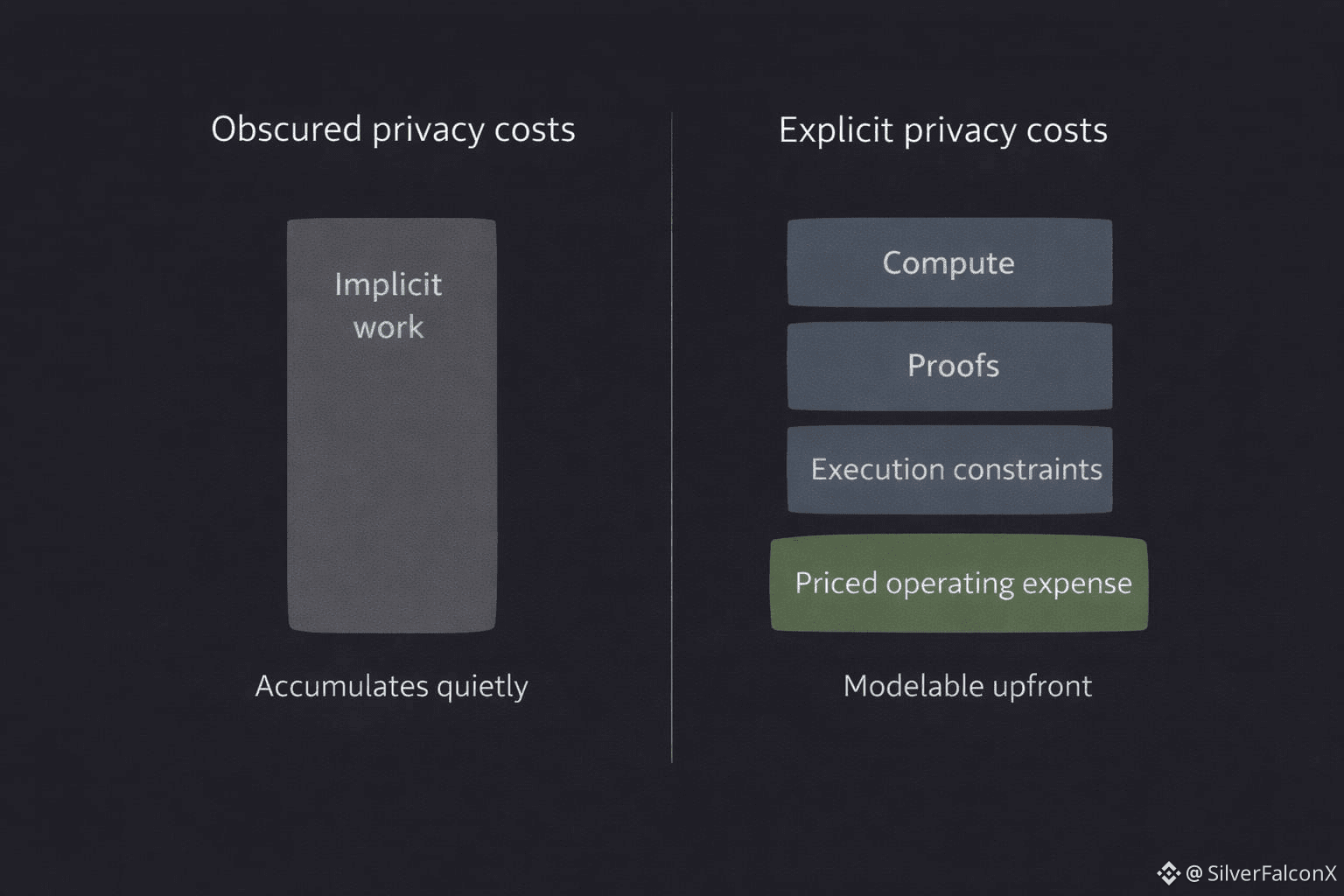
The effect is subtle but compounding. Builders design with fewer escape hatches. Operators rely less on dashboards and more on guarantees. Counterparties gain confidence not from transparency theater, but from consistent outcomes.
There is an industrial rhythm to it. Like a factory line where each station performs one task and nothing moves forward until it is complete. No shortcuts. No overlapping responsibilities. The pace is set by precision, not pressure.
This does not make Dusk foundation exciting in the way open mempools are exciting. It makes it dependable in the way infrastructure is dependable. When nothing happens, it keeps working. When something does happen, it behaves the same way it did yesterday.
DeFi has spent years optimizing for movement—capital efficiency, composability, velocity. Dusk optimizes for containment. For keeping complexity from leaking into places where it becomes risk.
That focus narrows the audience and sharpens the use case. It is not built for every experiment. It is built for financial activity that expects scrutiny, longevity, and accountability.
Systems like this rarely announce themselves loudly. They earn relevance by staying aligned while everything around them changes.
Dusk is designed to stay aligned.