

Most people start trading by opening a chart and adding indicators. It feels logical. The tools are clean, the signals look clear, and everything seems measurable. At first, it even works sometimes. That’s what makes it dangerous.
Exchange tools are not useless. They’re incomplete.
Charts, indicators, and order books only show what price has already done. They don’t explain why price is moving, or whether that move is likely to survive real-world pressure. When traders rely only on these tools, they are reacting to effects, not causes.
Markets don’t move because an indicator flashed green. They move because money shifts globally.
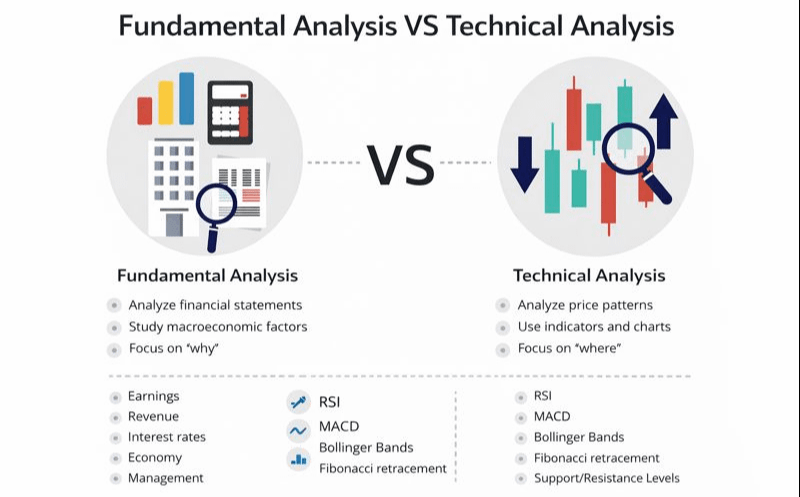
Indicators like RSI, EMA, MA, or support and resistance are built from past price data. That means every signal is delayed by design. They can help with timing, but they can’t tell you if the environment is friendly or hostile to risk. Without that context, signals feel random. Sometimes they work. Sometimes they fail. Most of the time, traders don’t know why either happened.
That confusion is where losses begin.
Another problem is scope. Exchange charts show local activity, but markets are global. Capital moves across currencies, bonds, equities, commodities, and crypto together. A chart on one platform cannot show interest rate changes, liquidity tightening, geopolitical stress, or shifts in global risk appetite. Yet those factors often decide whether trends continue or collapse.
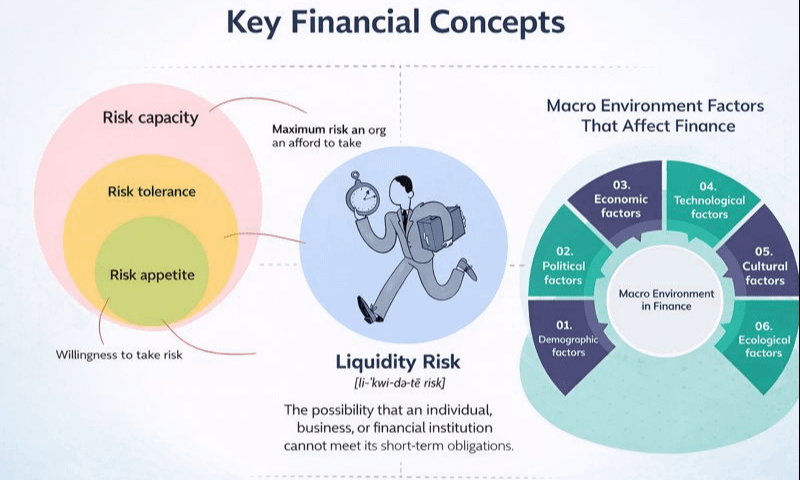
This is why traders get trapped during major events. Indicators still look fine, patterns still appear valid, but price suddenly ignores them. It’s not because the tools broke. It’s because the reason for the move came from outside the chart.
There’s also a psychological trap. Tools create a sense of control. When everything is measured, it feels predictable. That confidence encourages overtrading. When losses happen, traders add more indicators instead of asking a harder question: Is this market even meant to be traded right now?
Exchange tools don’t answer that.
What actually moves markets is liquidity, policy decisions, economic data, and risk perception. When liquidity is tight, even perfect technical setups fail repeatedly. When liquidity expands, simple setups suddenly work again. The tools didn’t change. The environment did.
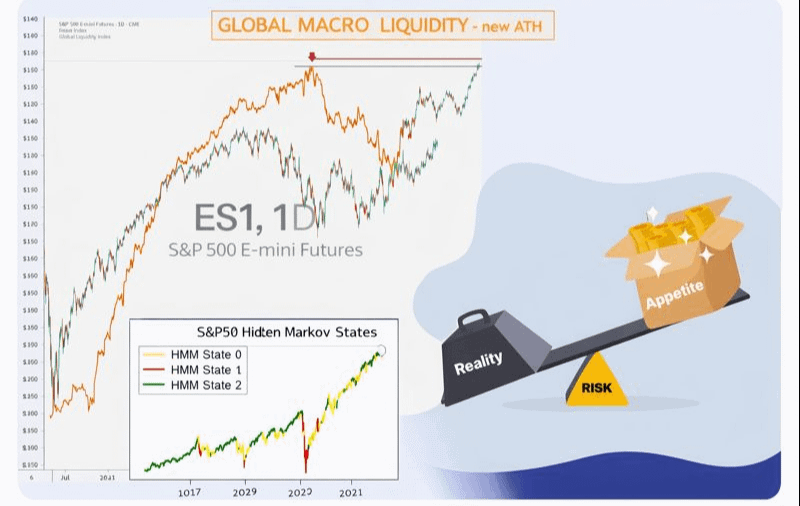
This doesn’t mean indicators are useless. They have a role. They help with execution, risk management, and structure. But they should come after understanding the broader environment, not before. Professionals don’t ask, “What does the indicator say?” first. They ask, “What kind of market is this?”
When trading decisions are made without that context, accuracy drops sharply. Trades feel like coin flips. Wins don’t build confidence. Losses feel unfair. That’s when frustration replaces discipline.
The real danger isn’t using indicators.
The danger is using them without understanding the system they operate in.
Exchange tools show where price is.
They don’t explain why it’s there.
And without the “why,” trading becomes guessing.