

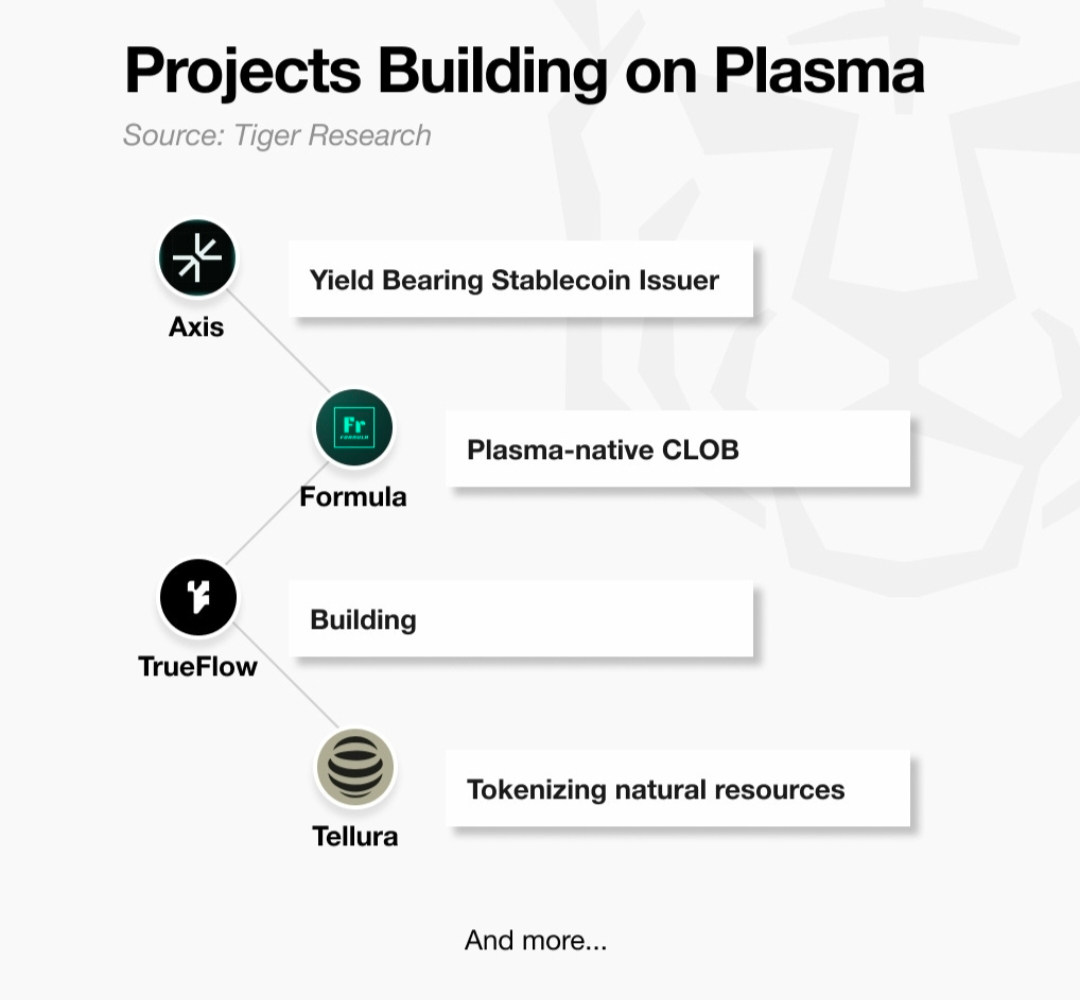
When I look at most blockchain projects today, I notice a common pattern. They tell you what you can do: faster transfers, cheaper gas, more composability. @Plasma tells you something quieter and more difficult the chain will behave predictably when it matters most.
That difference sounds boring at first. But once you frame Plasma around its real target stablecoins used as money, not game assets—it becomes clear why this design choice matters. For money, the biggest risk is not speed. It is uncertainty. A payment system that behaves differently under load, produces edge-case failures, or cannot be audited consistently will never be trusted for serious use.
From that perspective, Plasma does not read like a typical crypto project. It reads like a payments infrastructure team building a blockchain.
The Core Problem: Stablecoins Need Determinism, Not Drama
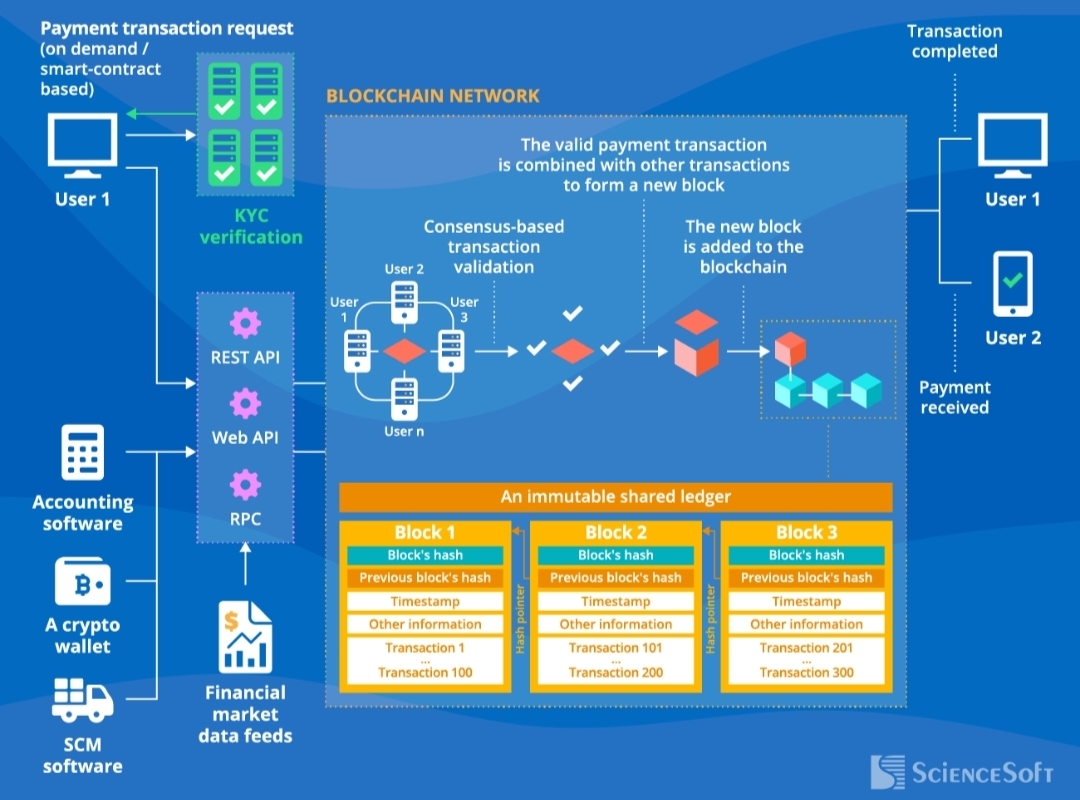
Stablecoins already have product–market fit. They are used for cross-border transfers, treasury movement, payroll-style payouts, and settlement when banks are slow or unavailable. But the infrastructure underneath them is often volatile.
In many networks:
Fees spike unpredictably
Finality depends on probabilistic assumptions
Congestion changes behavior mid-operation
Monitoring and recovery paths are unclear
For consumer apps, these are inconveniences. For financial infrastructure, they are deal-breakers.
Plasma appears to start from a different question: How do we make this act like real settlement infrastructure instead of a social experiment?
Plasma Solution: Reliability-First Architecture
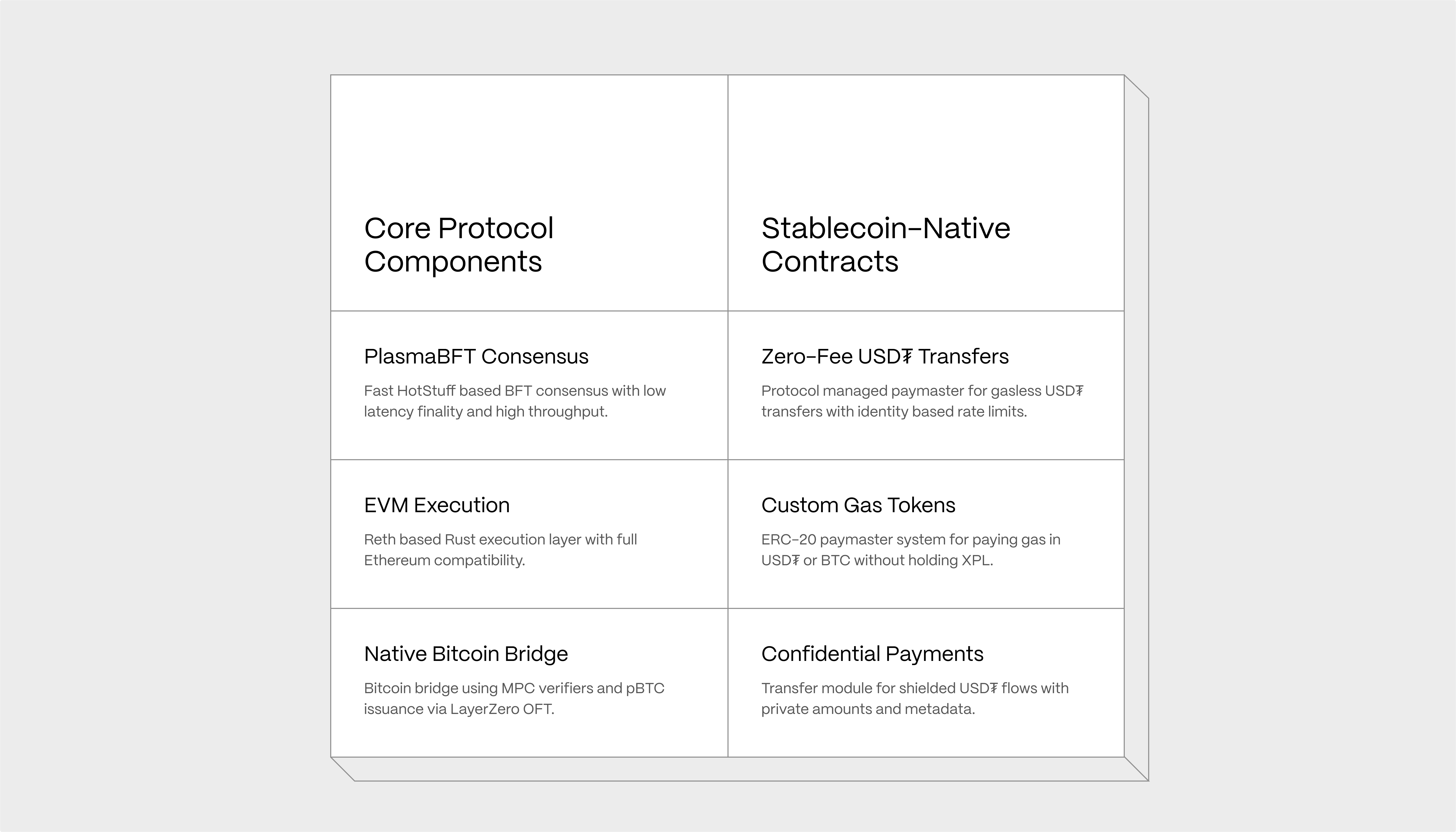
Rather than optimizing for peak performance metrics, Plasma optimizes for determinism. Determinism in this context means:
Fees remain predictable
Confirmation logic is consistent
Finality is well-defined
Observability and recovery paths are explicit
Once settled, transactions stay settled
This is the difference between a chain that is fun to use and a chain a business can safely depend on.
Plasma positions itself as a settlement rail. That framing matters. Settlement rails are judged not on excitement, but on how rarely they surprise operators.
Why the Rust Stack Signals Serious Intent
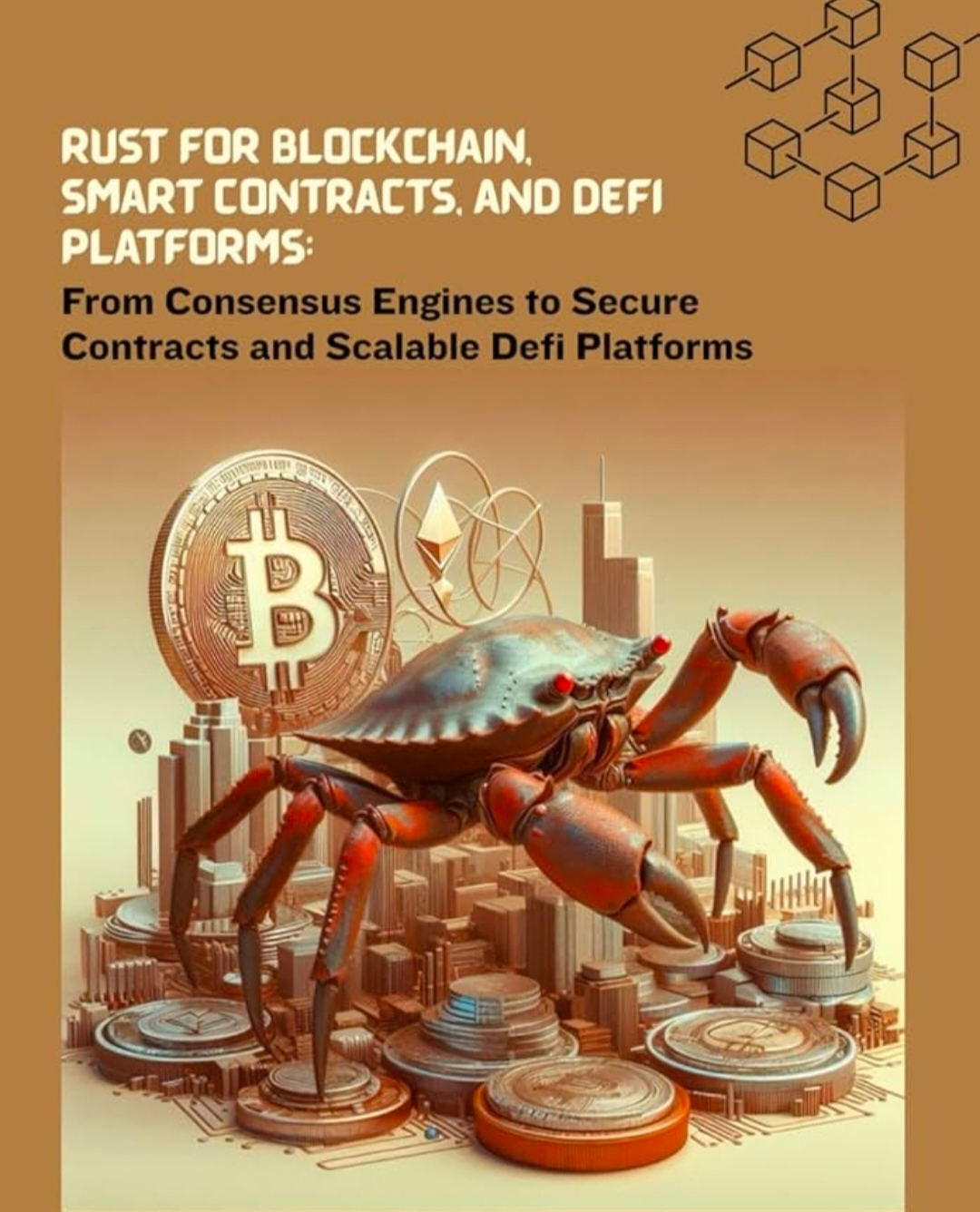
Most users do not care what language a blockchain is written in. Operators and institutions do.
Plasma’s heavy use of Rust across execution and consensus layers is a meaningful signal. Not because Rust is faster, but because it is safer by design. Payments infrastructure values:
Memory safety
Explicit error handling
Strong compile-time guarantees
Testability and auditability
Rust does not magically prevent bugs, but choosing a safety-oriented stack reflects a mindset: outages and silent failures are more expensive than missed benchmark wins.
This choice aligns Plasma with systems built to be operated, not just demonstrated.
Finality Is Not a Metric It’s a Promise
In crypto, finality is often marketed as a number: sub-second, two seconds, five seconds. In payments, finality is a contract with the user.
If finality is unclear:
Businesses add buffers
Teams build manual reconciliation
Trust erodes
Plasma consensus design prioritizes high-confidence settlement over headline speed. The goal is not to be impressive in ideal conditions, but dependable in ordinary and stressed conditions. This reduces hidden operational costs like double-checking, delayed releases, and exception handling.
Planning for Failure, Not Just Success
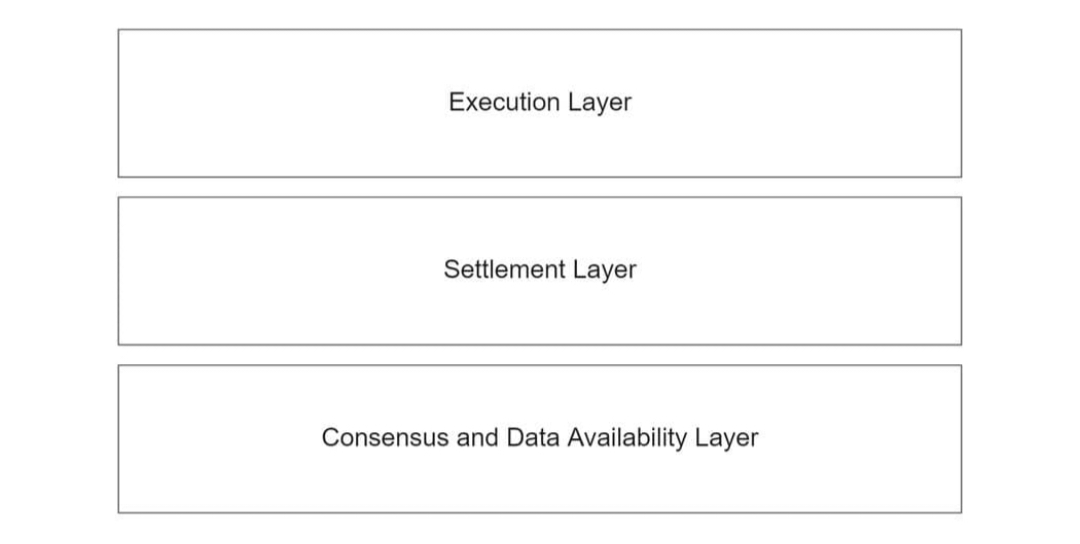
Financial infrastructure is defined by its worst days.
Plasma node design supports both full validators and lightweight observer-style nodes. This allows:
Independent state verification
Redundant monitoring
Easier integration for applications
You do not need to be a validator to contribute to network observability. That matters. The more independent eyes on the system, the stronger the reliability envelope.
This is an SRE-style mindset applied to blockchain: monitoring, redundancy, and recovery are product features, not afterthoughts.
Configurable Data Availability: A Quiet but Critical Choice
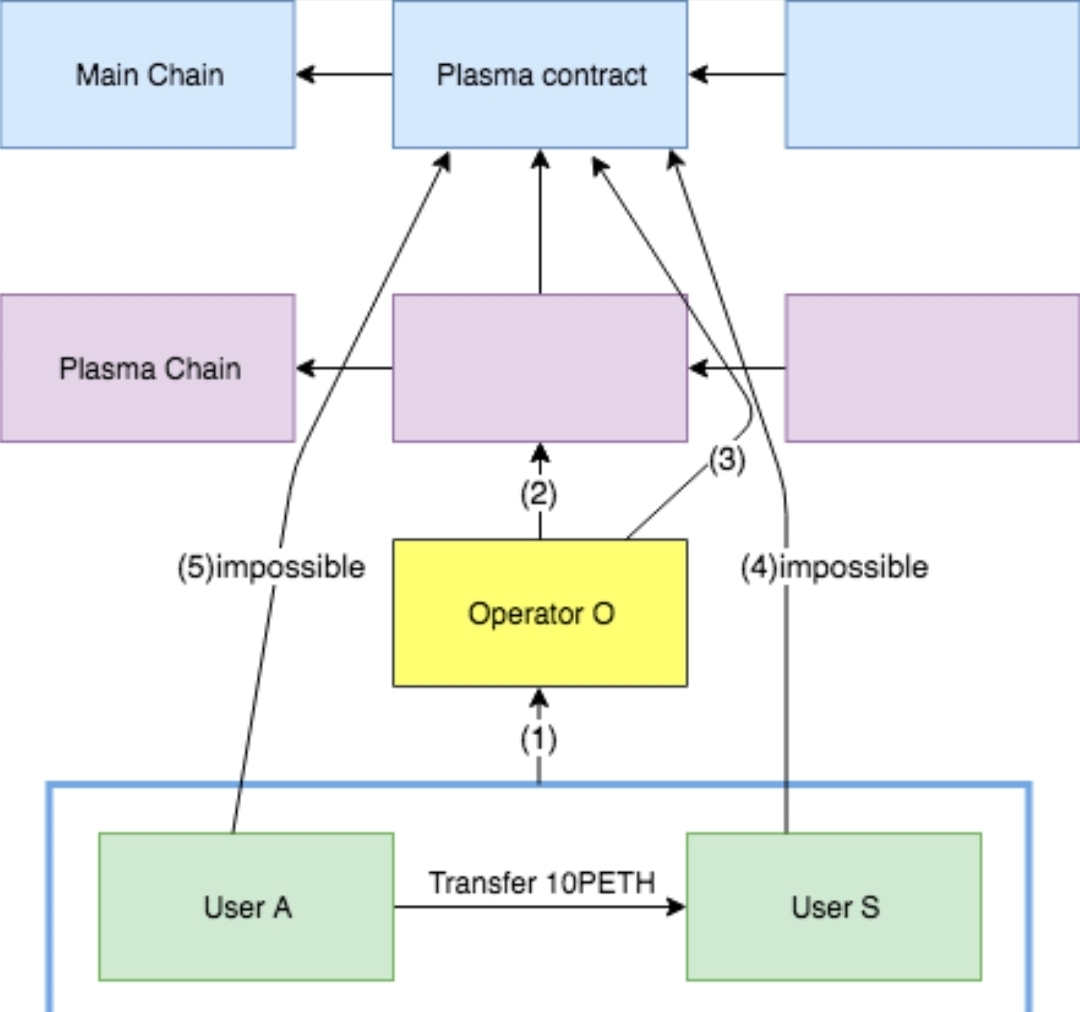
Not all stablecoin flows are equal.
Simple transfers, merchant payments, treasury movements, and complex programmable flows have different data requirements. Forcing all of them into a single data-availability cost model is inefficient.
Plasma’s approach treats data availability as a dial, not a fixed rule. Applications can choose the level of cost and protection they need. This flexibility allows stablecoin systems to scale across use cases without forcing everything into the most expensive configuration.
This is not flashy innovation. It is pragmatic system design.
Security Economics That Scale With Maturity
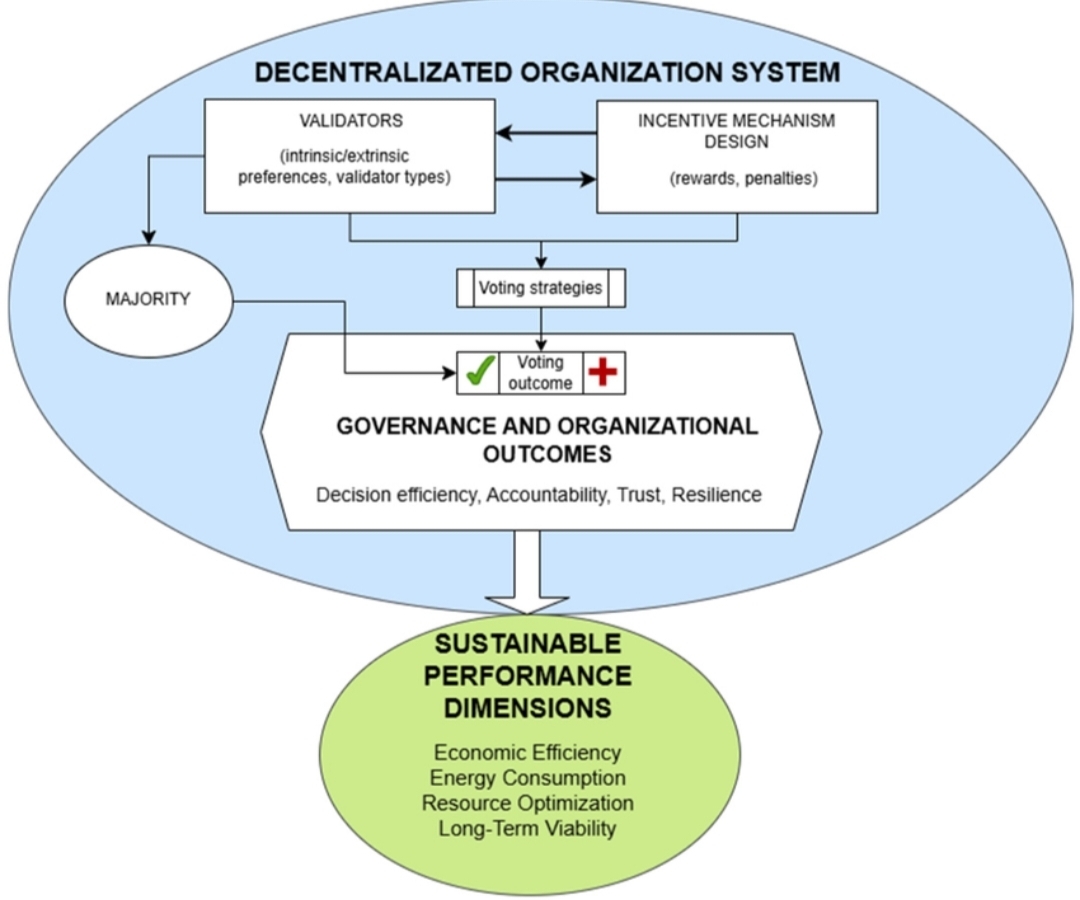
A common failure mode in networks is mismatched security economics:
Too expensive early → no adoption
Too weak later → security cliff
Plasma addresses this by tying emissions and incentives to validator participation and delegation. Security spend scales with network maturity instead of being front-loaded or deferred.
Penalty design also reflects restraint. Slashing primarily affects rewards rather than principal, preserving trust while still discouraging bad behavior. This reduces catastrophic losses for honest operators and makes participation more sustainable.
Predictable Fees and Long-Term Credibility
Stablecoin users do not care about temporary discounts. They care about predictable costs.
Plasma’s economic design emphasizes:
Fee stability
Controlled issuance
Usage-linked balancing mechanisms
This makes costs modelable for businesses. Predictability is a prerequisite for budgeting, pricing, and long-term integration.
Operator-First, Not Just User-First
Many chains optimize for end-user experience while ignoring operators. Plasma flips that priority.
The real users of settlement infrastructure are:
Wallet providers
Payment platforms
Custodians
Compliance teams
Treasury operators
If operator experience fails, user experience fails with it. Plasma’s focus on clean node tooling, explicit failure behavior, and stable economic rules reflects this reality.
What Success Actually Looks Like
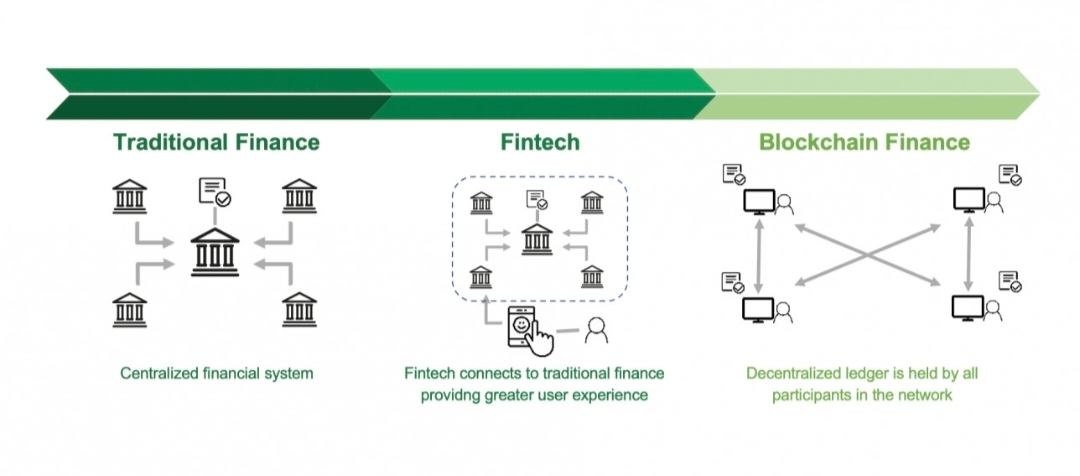
If Plasma succeeds, people will stop talking about it.
Stablecoin flows will route through it because it behaves consistently. Finance teams will trust it because settlement logic is auditable. Builders will deploy because the environment is familiar and stable. Operators will run nodes because the tooling makes sense.
This is not flashy crypto success. It is infrastructure success.
Final Takeaway
@Plasma competitive advantage is not a single feature. It is trust accumulated over time.
As long as Plasma continues to prioritize reliability over spectacle, its strongest asset will be the same one that supports real payment rails: predictable behavior under pressure.
That is a quiet advantage.
And in finance, quiet usually wins.