
@Fogo Official The world of blockchain can often feel like a massive, global post office that has been struggling for years because it tries to process every single letter in one giant, slow-moving line. If a million people try to send a letter at the same time, the whole system grinds to a halt, leaving everyone frustrated. This is exactly the problem that Fogo was born to solve. Fogo is what we call a Layer 1 blockchain, which is essentially the actual ground and foundation upon which digital applications are built. It utilizes a powerhouse engine known as the Solana Virtual Machine, or SVM. By choosing this specific engine, Fogo isn’t just trying to be another face in the crowd; it is taking some of the fastest technology ever created and giving it a dedicated home where it can breathe and grow without being weighed down by the baggage of older, slower systems.
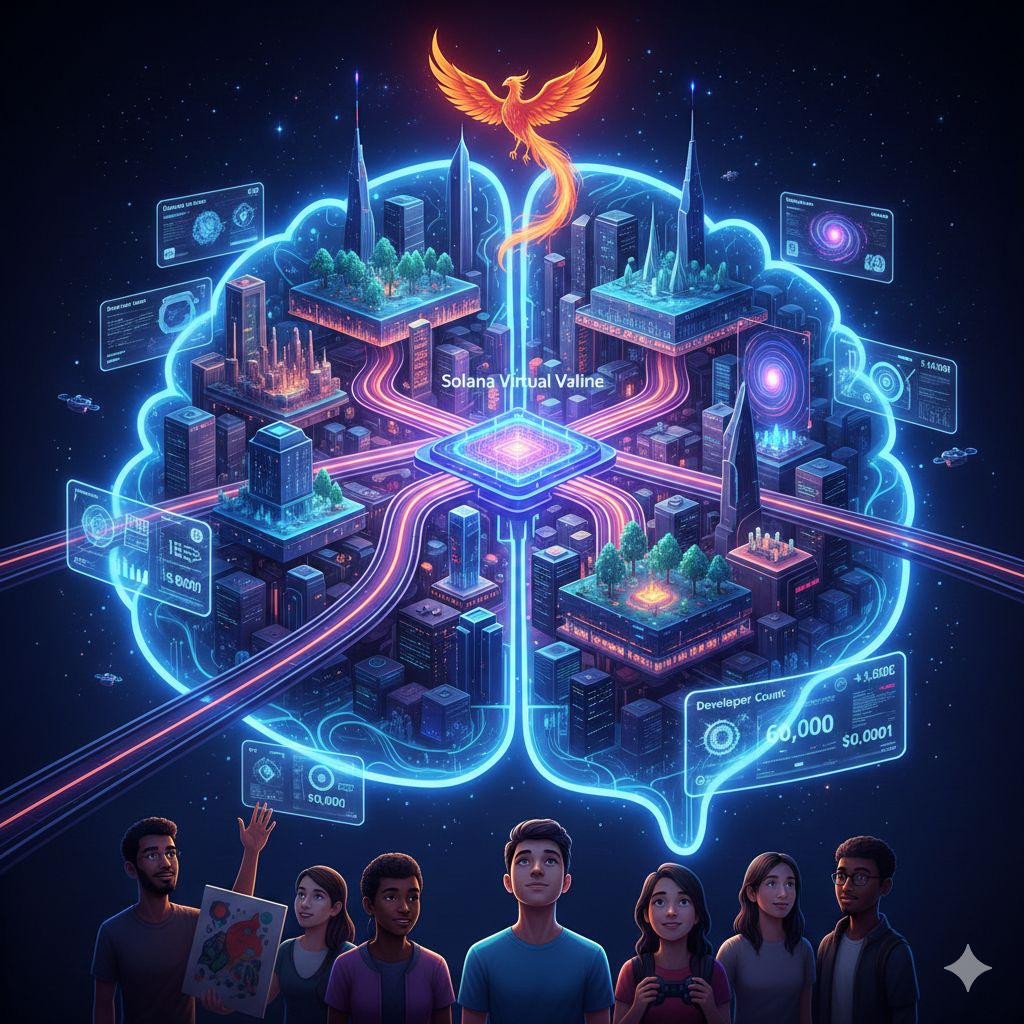
The people behind Fogo made some very intentional design choices to make sure the network stays fast even when it gets incredibly crowded. They’re using a concept called local fee markets, which is a brilliant way to keep costs down for the average user. Imagine if a massive, sold-out concert in a big city caused the price of a loaf of bread to go up in a small town hundreds of miles away; that’s unfortunately how many older blockchains work today. With Fogo, if one specific app becomes incredibly popular and busy, it doesn’t make the rest of the network expensive or slow for everyone else. It becomes a much more stable and predictable environment where you can send a transaction and know exactly what it will cost. I’m always fascinated by how this design mimics the real world, allowing different neighborhoods of digital activity to thrive independently without stepping on each other’s toes.
If we look deeper into how the gears actually turn, we see that Fogo is pushing the absolute limits of what modern computers can do. They have integrated a high-performance system inspired by Firedancer, which is widely considered the gold standard for speed in the crypto world. We’re seeing data being processed at a pace that feels almost instantaneous to a human, with new blocks of information being finalized every 40 milliseconds. To put that in perspective, that is significantly faster than the blink of an eye. This isn't just about technical bragging rights; this speed is what allows developers to build things that actually feel like the modern internet we use every day. Whether it’s a fast-paced game or a complex financial tool, Fogo provides the raw horsepower needed to make sure the user never has to stare at a loading spinner.
When you’re trying to figure out if a project like this is truly healthy, it’s important to look at the right numbers rather than just the hype. While you might see the project mentioned on a major exchange like Binance, the most important metrics are actually found under the hood of the network itself. You want to see a steadily growing number of developers who are choosing to build their dreams on Fogo, and you want to ensure the network stays live and stable without any hiccups or restarts. A healthy network is one where the validators—the powerful computers that verify transactions—are spread out and working in perfect harmony. If the network can handle millions of requests without the fees spiking or the speed dropping, it’s a clear sign that the foundation is as solid as it is fast.
Of course, we have to be honest and human about the challenges that come with being on the cutting edge of technology. Because Fogo is designed for such extreme performance, the computers required to run it are very expensive and powerful. This creates a realistic risk where only a limited number of people can afford to participate in securing the network, which is something the community has to watch closely to ensure it stays fair and open. There’s also the reality of intense competition; the crypto world moves incredibly fast, and Fogo has to constantly prove that its engine is more reliable than the rest. Like any new frontier, there are risks of software bugs or growing pains, so it’s always smart to approach it with a mix of genuine curiosity and a little bit of caution.
As we look toward the future, the ultimate goal for Fogo is to make the technology so fast and so simple that we eventually stop calling it a blockchain and just call it the internet. We are heading toward a world where digital ownership and global coordination happen in the background, as naturally as sending a text message or making a phone call. Fogo is a huge part of that journey, acting as a sort of high-speed rail for the next generation of our digital lives. It’s a reminder that even though the math and the code can seem cold or distant, the purpose behind them is very human: to create a world where we can connect, trade, and build with total freedom and no delays.
There is a real sense of wonder in seeing how far we’ve come from those first slow, clunky blockchains to something as sleek and powerful as Fogo. It gives us a reason to be hopeful about how technology can solve the frustrations of the past to create something truly seamless for the future. Watching this project grow is like watching a new city rise from the ground, built with the best tools we’ve ever had and a vision for a more efficient world. It’s an invitation to be part of a story that is still being written, one millisecond at a time, moving us all toward a more connected horizon.