
Markets are evolving faster than humans can react.
Order books move in milliseconds. Liquidity shifts instantly. Risk parameters change in real time. Yet most participants still operate manually — clicking, confirming, adjusting.
That gap between market speed and human reaction time is where ROBO positions itself.
This isn’t just another AI narrative token.
It represents a structural thesis: crypto is transitioning from user-driven systems to agent-driven systems.
And autonomous systems need infrastructure.
The Structural Shift: From Manual to Machine-Led Finance
In early crypto, humans did everything:
– Enter trades
– Manage liquidity
– Monitor positions
– Adjust strategies
But the ecosystem has matured. We now see:
• Algorithmic trading bots
• AI-powered portfolio allocators
• Automated treasury rebalancing
• Smart contract-based risk engines
The natural endpoint of this evolution is autonomous finance — systems that analyze, decide, and execute without constant human intervention.
ROBO is aligned with building the execution layer that enables that automation to operate securely and continuously.
Why Execution Infrastructure Matters More Than Hype
AI generates insights.
Data feeds generate signals.
But none of that matters without execution.
Execution is where:
• Capital moves
• Fees are generated
• Liquidity reallocates
• Strategies materialize
$ROBO’s positioning focuses on enabling programmable execution logic that interacts directly with decentralized protocols. That means creating frameworks where strategies can be deployed, triggered, and adjusted automatically.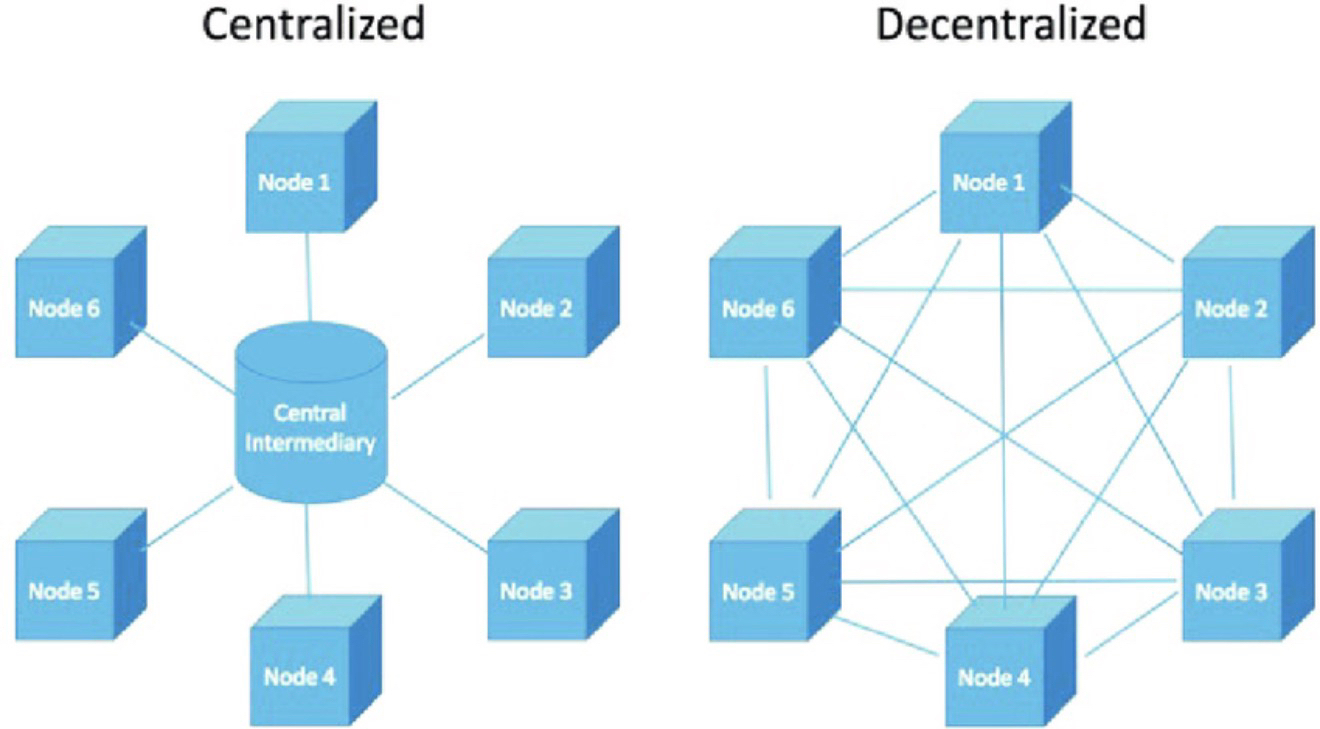
In simple terms:
Intelligence decides.
ROBO executes.
And execution layers often become deeply embedded in financial stacks.
The Economic Angle
If autonomous agents begin managing significant capital across DeFi ecosystems, then the infrastructure coordinating:
– Deployment
– Strategy automation
– Monitoring
– On-chain interaction
becomes a recurring-use layer.
Usage scales with automation growth.
As AI agents increase participation in markets, infrastructure demand increases proportionally.
That creates a compounding dynamic.
Narrative Fit in This Cycle
This market cycle is clearly leaning into:
AI + Crypto convergence
Modular and composable infrastructure
On-chain automation
Machine-driven liquidity
ROBO fits into the intersection of these themes. It is not simply about artificial intelligence — it is about operationalizing intelligence on-chain.
That distinction matters.
Many projects talk about AI.
Fewer focus on enabling AI to interact natively with decentralized finance systems at scale.
Risk and Realism
Infrastructure projects face execution pressure.
Key considerations include:
• Technical reliability under volatility
• Integration with major protocols
• Security of automated strategies
• Market competition within AI-automation sectors
Autonomous execution introduces both efficiency and systemic risk if poorly designed. The architecture must prioritize security and fail-safes.
However, if reliability is proven, automation becomes sticky. Protocols integrated into core workflows are difficult to displace.
The Long-Term View
Crypto began as decentralized money.
It evolved into programmable finance.
The next phase is autonomous finance — where systems monitor themselves, optimize capital, and execute continuously.
That future will not rely on manual clicks.
It will rely on programmable execution layers.
ROBO is positioning itself within that transformation.
If the autonomous economy thesis accelerates, infrastructure enabling intelligent execution will likely move from optional utility to foundational necessity.
And foundational layers are where durable value tends to accumulate.