
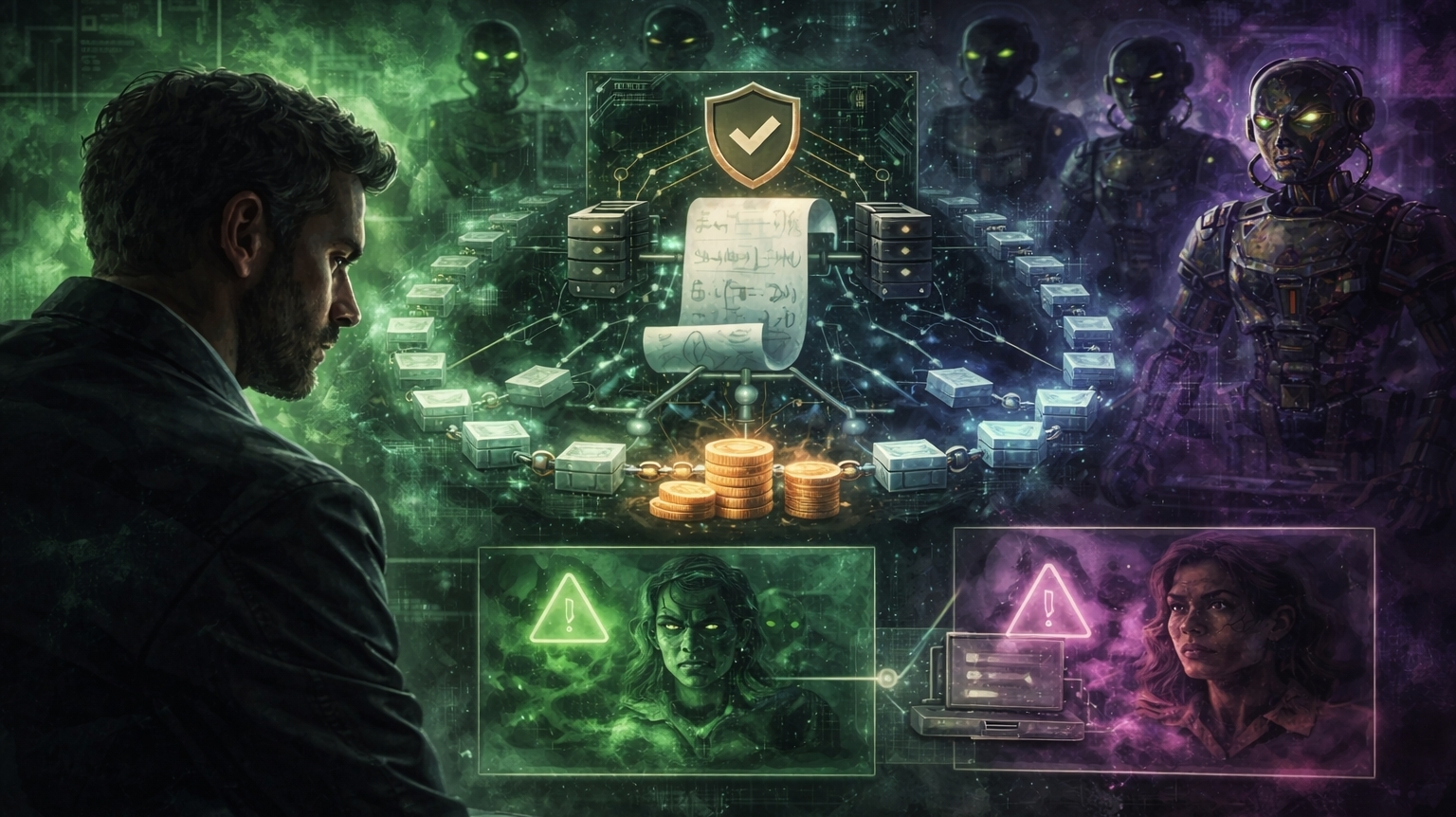
Saya tidak mulai meneliti @Mira - Trust Layer of AI karena saya mengejar siklus hype AI berikutnya.
Saya mulai melihatnya karena sesuatu tentang kecerdasan buatan modern masih terasa rapuh secara struktural.
Kami merayakan model yang lebih besar.
Skor tolok ukur yang lebih tinggi.
Lebih banyak agen otonom.
Tetapi di balik metrik kinerja, satu masalah terus muncul: keandalan.
Sistem AI masih berhalusinasi. Mereka masih mencerminkan bias. Mereka masih menghasilkan jawaban yang percaya diri tetapi faktanya salah. Dan meskipun begitu, kami secara bertahap memindahkan mereka ke lingkungan yang lebih berisiko — keuangan, analisis hukum, bantuan medis, operasi otomatis.
Celah antara kemampuan dan keandalan adalah tempat perhatian saya beralih.
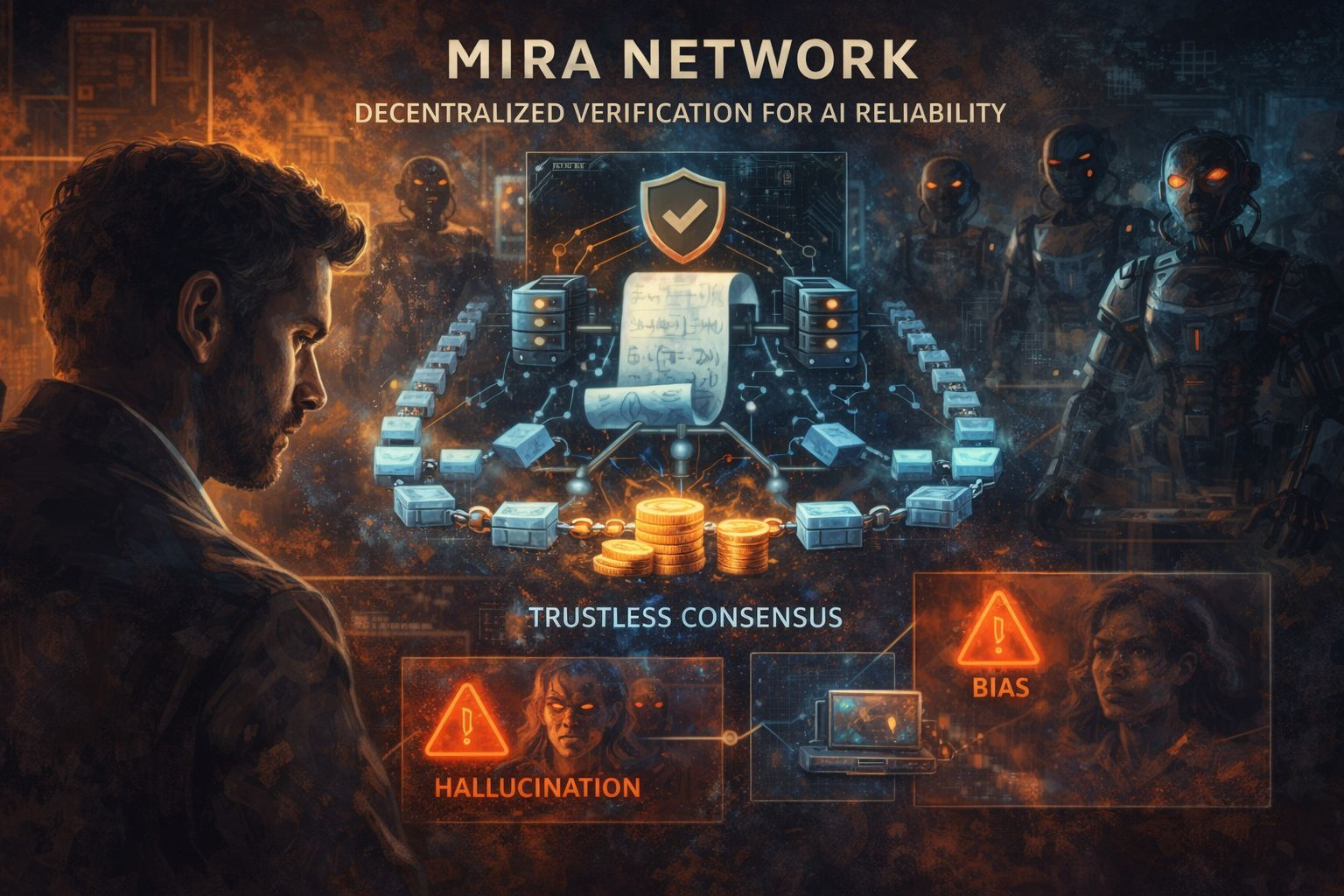
Jika AI akan beroperasi secara otonom, "kemungkinan benar" tidak cukup. Saya tidak hanya ingin keluaran yang cerdas. Saya ingin keluaran yang dapat diverifikasi.
Di situlah Jaringan Mira mengubah perspektif saya.
Alih-alih membangun model bahasa besar lainnya, Mira membangun protokol verifikasi terdesentralisasi untuk AI itu sendiri. Ini tidak bersaing di lapisan model — ini memperkuat lapisan kepercayaan.
Ide ini sederhana tetapi kuat: mengubah keluaran AI menjadi informasi yang dapat diverifikasi secara kriptografis.
Alih-alih mempercayai respons satu sistem, Mira memecah konten kompleks menjadi klaim yang lebih kecil dan dapat diverifikasi. Klaim-klaim itu kemudian didistribusikan di seluruh jaringan model AI independen. Validasi tidak bergantung pada satu otoritas. Ini muncul dari konsensus.
Perubahan struktural itu penting.
Hari ini, sebagian besar mekanisme keandalan AI terpusat. Pembatas adalah internal. Moderasi adalah internal. Evaluasi adalah internal. Anda mempercayai entitas yang sama yang menghasilkan keluaran untuk memvalidasinya.
Mira memperkenalkan insentif ekonomi dan konsensus berbasis blockchain ke dalam persamaan. Verifikasi menjadi terdesentralisasi. Klaim ditantang, dievaluasi, dan dikonfirmasi melalui mekanisme jaringan daripada kepercayaan buta.
Bagi saya, itu terasa seperti infrastruktur — bukan narasi.
Kita terus-menerus berbicara tentang skala kecerdasan. Tetapi kecerdasan tanpa verifikasi adalah rapuh. Ketika AI berpindah ke kasus penggunaan yang kritis, kesalahan bukan hanya tidak nyaman — tetapi juga mahal.
Dalam sistem keuangan, titik data yang dihalusinasi dapat memicu kerugian.
Dalam konteks kesehatan, bias dapat menyebabkan bahaya nyata.
Dalam alur kerja pemerintahan atau hukum, ketidakakuratan merusak kepercayaan.
Keandalan tidak dapat bersifat opsional di lingkungan tersebut.
Apa yang saya temukan menarik adalah bagaimana Mira mengubah masalah. Ini tidak berusaha menghilangkan halusinasi dengan berharap model menjadi sempurna. Sebaliknya, ini mengasumsikan ketidaksempurnaan adalah hal yang tak terhindarkan — dan membangun lapisan verifikasi di atasnya.
Itu terasa realistis.
Memecah keluaran menjadi klaim dan memvalidasinya melalui beberapa sistem independen mendistribusikan risiko epistemik. Ini mengubah respons AI dari pernyataan yang tidak transparan menjadi unit informasi yang dapat diaudit.
Dari perspektif Web3, di sinilah keselarasan menjadi menarik.
Konsensus bukan hanya tentang transaksi keuangan lagi. Ini menjadi tentang validasi kebenaran. Blockchain bukan sekadar lapisan penyelesaian — ini menjadi lapisan keandalan untuk informasi yang dihasilkan mesin.
Itu adalah narasi yang lebih dalam daripada kata-kata kunci "AI + crypto."
Ini tentang meminimalkan kepercayaan yang diterapkan pada kecerdasan.
Dan perbedaan itu penting saat mengevaluasi permainan infrastruktur jangka panjang versus token spekulatif jangka pendek.
Banyak token terkait AI mengikuti momentum naratif. Mereka tren ketika judul AI mendominasi pasar. Tetapi permintaan nyata untuk protokol verifikasi akan datang dari integrasi — pengembang menyematkan pemeriksaan keandalan, perusahaan mencari validasi terdesentralisasi, agen otonom memerlukan keluaran tanpa kepercayaan sebelum eksekusi.
Adopsi yang didorong oleh utilitas berkembang secara berbeda dibandingkan dengan spekulasi yang didorong perhatian.
Jika jaringan Mira berkembang, penggunaan secara logis akan berkorelasi dengan volume keluaran AI. Semakin banyak sistem otonom menghasilkan informasi, semakin besar permintaan verifikasi. Itu adalah penggerak permintaan yang organik.
Tentu saja, risiko eksekusi ada. Membangun verifikasi terdesentralisasi dalam skala besar memerlukan keragaman model, insentif validator, optimisasi kinerja, dan alat ekosistem. Adopsi tergantung pada daya tarik pengembang dan integrasi ke dalam jalur AI yang nyata.
Proyek infrastruktur tidak pernah sukses dalam semalam.
Tapi secara arah, saya menemukan tesis tersebut menarik.
AI berkembang dengan cepat. Agen mulai bertindak, bukan hanya merespons. Automasi meluas ke alur kerja yang dulunya diperuntukkan bagi manusia. Seiring meningkatnya otonomi, biaya kesalahan juga meningkat.
Verifikasi, menurut pandangan saya, menjadi tulang punggung yang diam.
Pasar sering kali menetapkan harga kegembiraan lebih cepat daripada keandalan. Tetapi seiring waktu, sistem yang menyematkan kepercayaan di tingkat protokol cenderung bertahan. Internet berkembang karena standar terbuka. Blockchain berkembang karena penyelesaian tanpa kepercayaan. AI mungkin memerlukan verifikasi terdesentralisasi untuk berkembang secara bertanggung jawab.
Saya tidak melihat Mira sebagai "proyek AI lain." Saya melihatnya sebagai lapisan koordinasi untuk kebenaran di lingkungan yang didominasi AI.
Jika kecerdasan adalah mesin, verifikasi adalah sistem rem. Keduanya diperlukan untuk percepatan yang aman.
Dalam jangka panjang, saya percaya infrastruktur AI yang paling berharga tidak hanya akan menghasilkan jawaban.
Ini akan membuktikannya.
Itulah lensa di mana saya mengamati $MIRA Network — bukan untuk lonjakan naratif, tetapi untuk integrasi yang terukur, pertumbuhan validator, dan sinyal penggunaan yang nyata.
Karena kecerdasan berkembang dengan cepat.
Kepercayaan berkembang dengan sengaja.
Dan protokol yang menyelaraskan keduanya dapat mendefinisikan fase berikutnya dari infrastruktur AI.