
I've been in crypto long enough to know the difference between flash-in-the-pan hype and something that might actually stick. Loud metrics—skyrocketing wallet counts, pumped volumes, endless shill threads—can fool anyone at first. I got burned once chasing a project where everything looked flawless on the dashboards... until the rewards dried up and the "users" vanished. That's when I started auditing traction like a skeptic: real utility shows up in sustained, incentive-independent activity.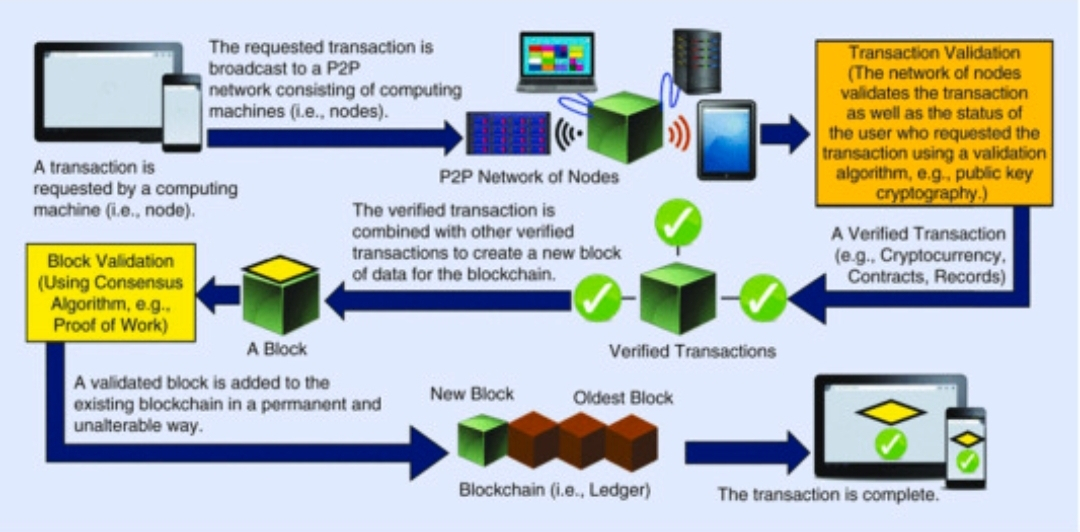
That's exactly why Mira Network and $MIRA stand out to me right now. The pitch isn't flashy AI moonshots; it's dead-simple but powerful: don't trust a single model's output—break it into atomic claims, let a decentralized swarm of diverse verifiers (different LLMs, independent nodes) reach consensus on each one, then stamp it with on-chain proof. No more blind faith in confident-sounding hallucinations. The whitepaper lays it out clearly: this turns probabilistic AI into auditable, verifiable pieces, secured by crypto-economic skin-in-the-game.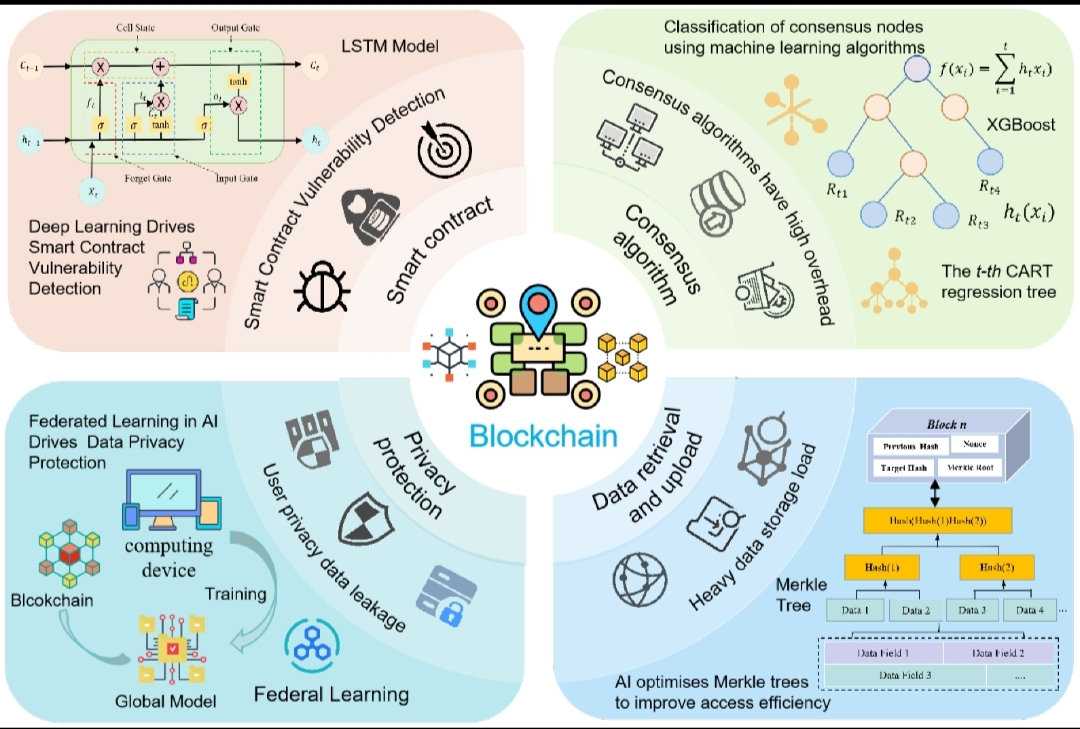
For anyone who's ever used AI in trading signals, compliance checks, or high-stakes decisions, you get why this matters. Models can be wrong with total certainty. Mira's trying to make reliability measurable, not assumed—through staking to verify, slashing for bad calls, and fees that reward honest consensus over shortcuts.
From a retention angle, though, verification networks have it tough. They need ongoing demand for paid checks (real workflows paying fees), not just spec-driven bursts. Nodes have to stay honest even as rewards evolve. If it turns into guesswork or fast rubber-stamping for profit, the whole trust layer crumbles. Collusion risks rise if the verifier set stays narrow. And yeah, chopping complex answers into claims can sometimes lose nuance or amplify shared blind spots across models.
But here's what's observable today, no hype required. Mira's live on Base , with tens of thousands of transactions logged historically, and activity still ticking—including around early March 2026. Circulating supply sits around 240-245 million out of 1 billion total, price hovering ~$0.08-0.09, market cap in the low $20M range, with decent volume. That's not explosive, but it's not dead either. On-chain history shows real interactions, not just empty wallets.
The boring-but-powerful signals I'm watching:
- Repeating addresses hitting verification endpoints (not one-off experiments).
- Actual fees flowing for services, not just test transactions.
- Verifier diversity growing over time.
- Any signs of external integrations—dApps, agents, or off-chain teams using Mira proofs in production workflows.
If Mira delivers, it'll be because verification becomes a quiet utility layer: boring, consistent activity that survives hype cycles and quiet periods. People keep paying because unverified AI is too risky for real money, compliance, or autonomy. No clever thread or pretty chart will prove it—only time and sustained usage will.
Approach it like any serious product: skim the whitepaper, note the key contracts, track on-chain metrics (BaseScan is your friend), and watch for organic retention when attention dips. If it fades when incentives flatten, it's probably just another narrative play. If activity holds or grows quietly... that could be the real deal in building trustworthy AI infrastructure.