
In networks that are not controlled by one person security is not about using technology. It is also about giving people a reason to be honest and not try to cheat. The way Mira Network is set up follows this idea by using a security model that combines economics with verification that is spread out.
People who run verification nodes on Mira Network have to put some value into the network, like money or other assets to show they are serious. This is not about participating it is like a promise to be honest. If someone who is verifying things on Mira Network does it wrong on purpose or tries to influence the results the system can punish them by taking some or all of their value. This makes it very expensive to be dishonest.
At the time Mira Network rewards the nodes that do a good job of verifying things. By making it worth their while to do work the network creates a good environment where people compete to do the best job they can. This makes the whole system stronger as more people join Mira Network.
Another important thing about Mira Network is that it uses kinds of verification models. Of everyone using the same system different nodes can use different models that were trained in different ways. This makes it less likely that there will be biases in the system and more likely that mistakes will be caught.
Over time this could lead to people specializing in areas like checking financial information or analyzing code. As Mira Network grows, the rewards for doing a job could create a community where being accurate is the most important thing.
Through the combination of incentives, verification and different models Mira Network creates a system that rewards honesty and discourages cheating. In the run this could be very important for building reliable verification systems, for artificial intelligence that works in decentralized environments.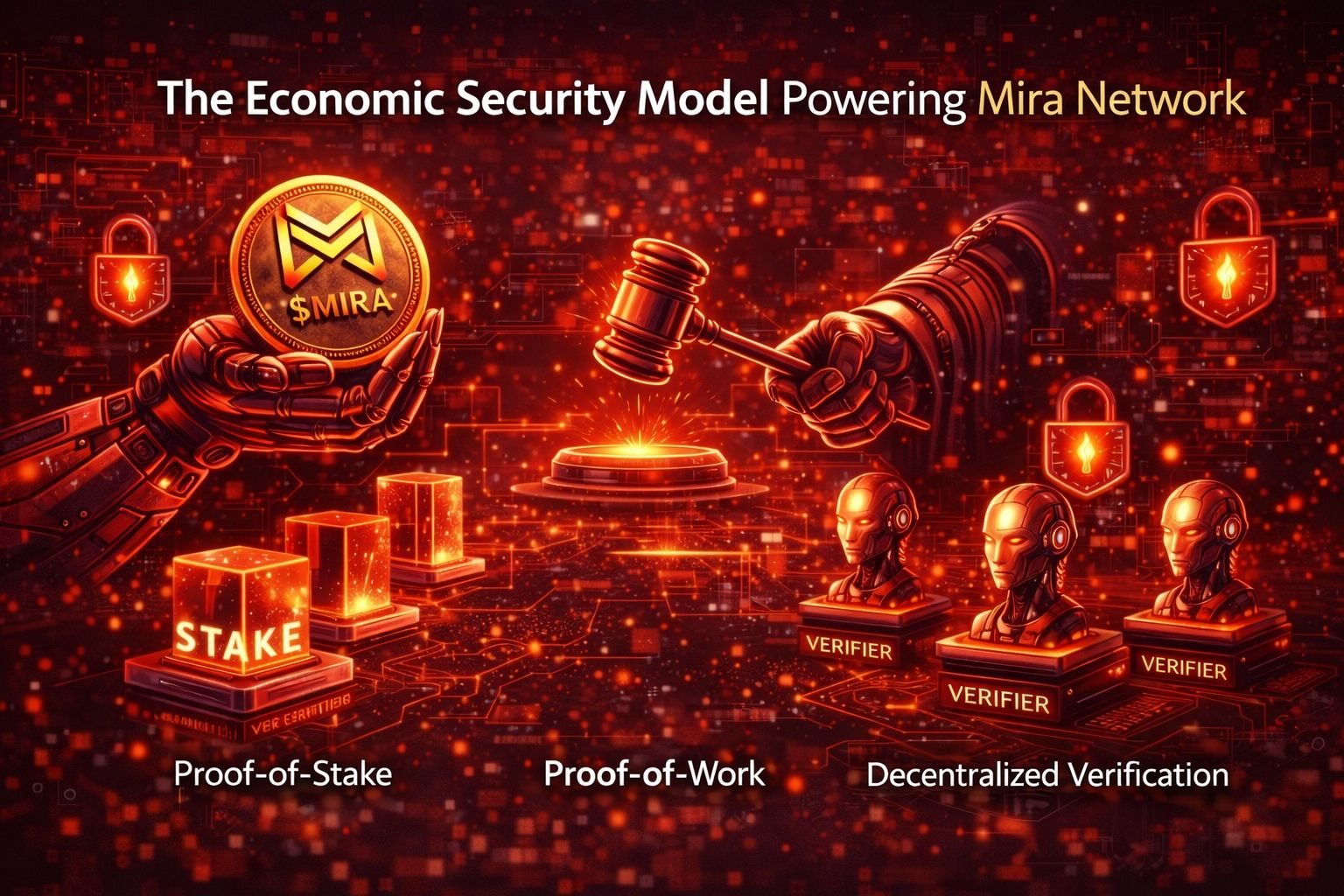
@Mira - Trust Layer of AI $MIRA
