
Something clicked for me when I was looking at transaction data across different times of day. Most chains have this predictable pattern smooth sailing until everyone wakes up, then chaos, then calm again. Midnight's curve looks different. The peaks and valleys are way less dramatic.
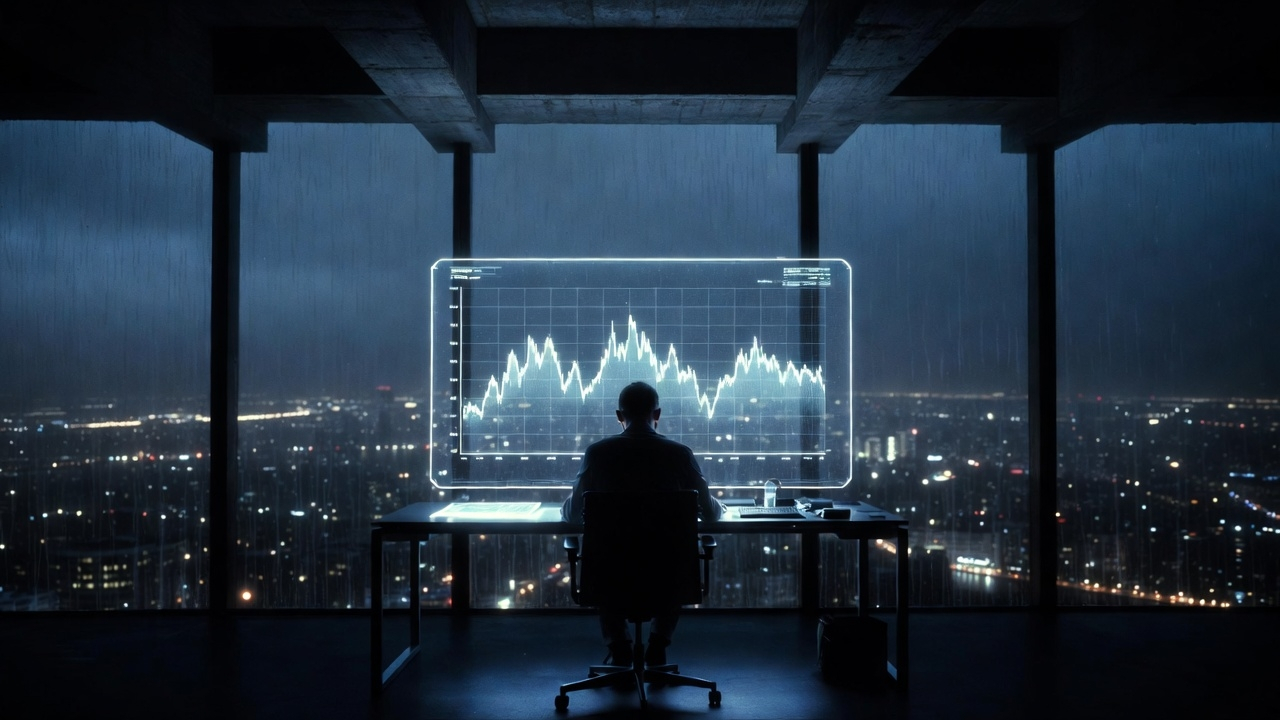
That adaptive consensus thing I mentioned before? You can actually see it working in real time. Late nights (think like 3am GMT when it's just insomniacs and Australian traders) the network feels almost instant. Fees hover near zero. Then when US trading hours hit and volume picks up, it tightens up without falling over. It's not doing anything magical just matching resources to demand but the effect on user experience is huge.
What caught my attention is that this predictability matters more for builders than traders. If you're deploying contracts or running bots, knowing your costs won't randomly 10x during peak hours lets you actually plan things. That's the kind of boring infrastructure win that never makes headlines but makes ecosystems grow.
The bridge thing keeps getting better
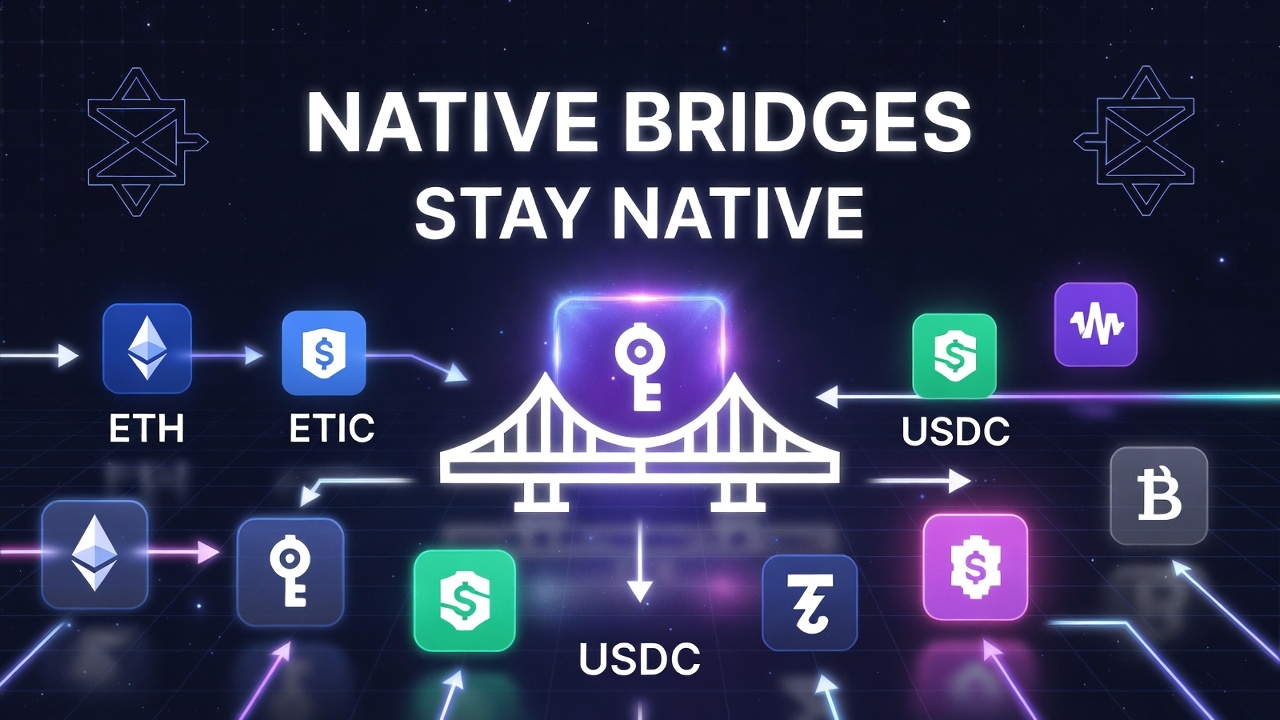
So Midnight has those native bridges, which is cool. But what's interesting is watching how they're actually being used. There's this gradual shift happening where more assets are staying native instead of getting wrapped and rewrapped across five different chains. Less wrapped ETH floating around means less "oh great, now I have six different versions of USDC" confusion.
I was talking to someone building on there last week, and they pointed out something obvious I'd missed when bridges are native instead of third-party, audits matter more because there's less code to review. One set of contracts instead of three. Fewer places for bugs to hide. It's not bulletproof, but it's definitely fewer bullets to dodge.
Token keeps surprising people
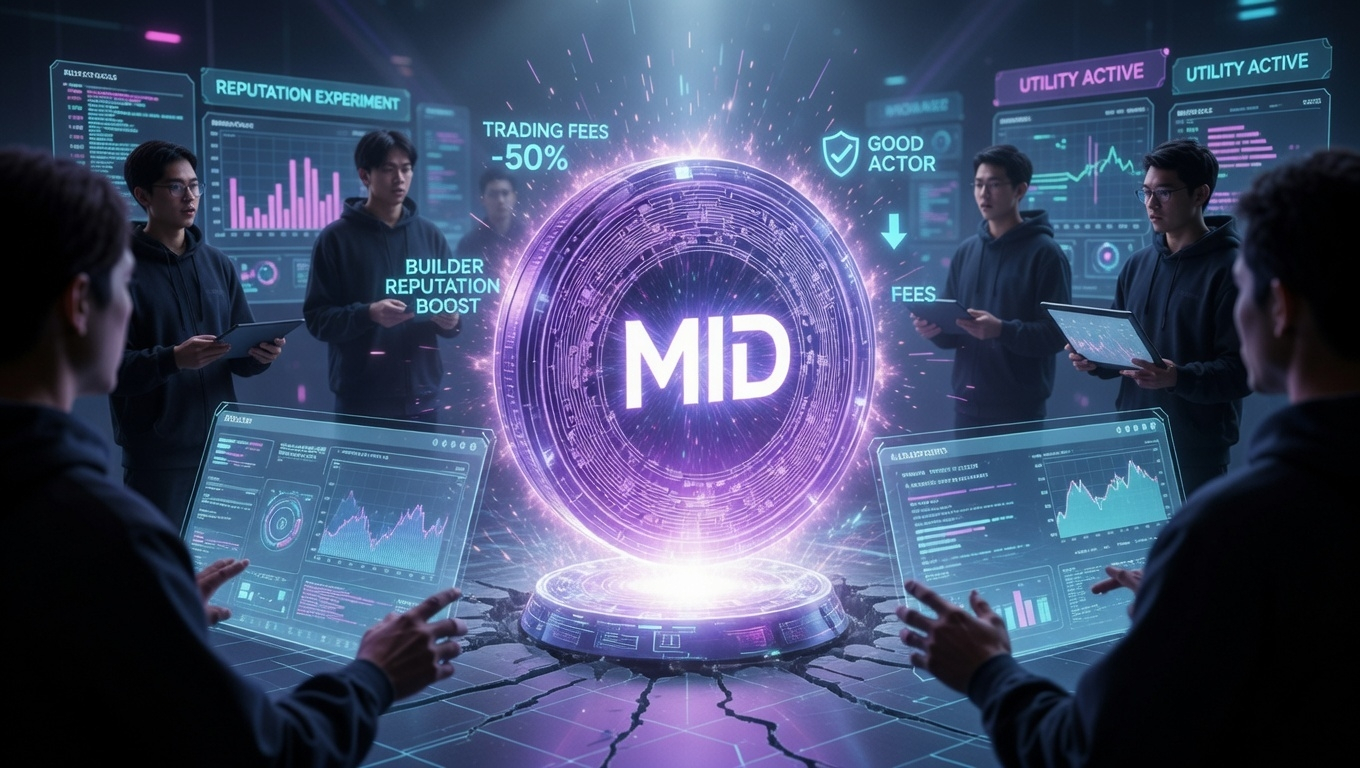
The MID thing is growing on me. Not because the price is doing anything exciting, but because of how it actually functions. Saw someone in Discord explaining how they use their holdings to get better rates on some DEX pools, and it clicked this is what utility is supposed to look like. Not "hold this and maybe we'll do a burn event someday," but "hold this and your trading fees literally drop right now."
There's also this reputation experiment happening with builders. Projects that hold and use MID get visibility perks, better support, early access to stuff. It's creating this weird but effective incentive to actually be a good actor instead of just farming and dumping.
What people are saying

Mixed bag, still. Some folks think the hybrid consensus is overengineered "just pick one and optimize it" is a take I've heard more than once. Fair point. Complexity is risk, period.
But the vibe from people actually deploying on mainnet? Way more positive. They talk about dev tooling being actually usable (rare), documentation that doesn't assume you already know everything (even rarer), and mainnet that doesn't break during tests (rarest of all).
Things brewing
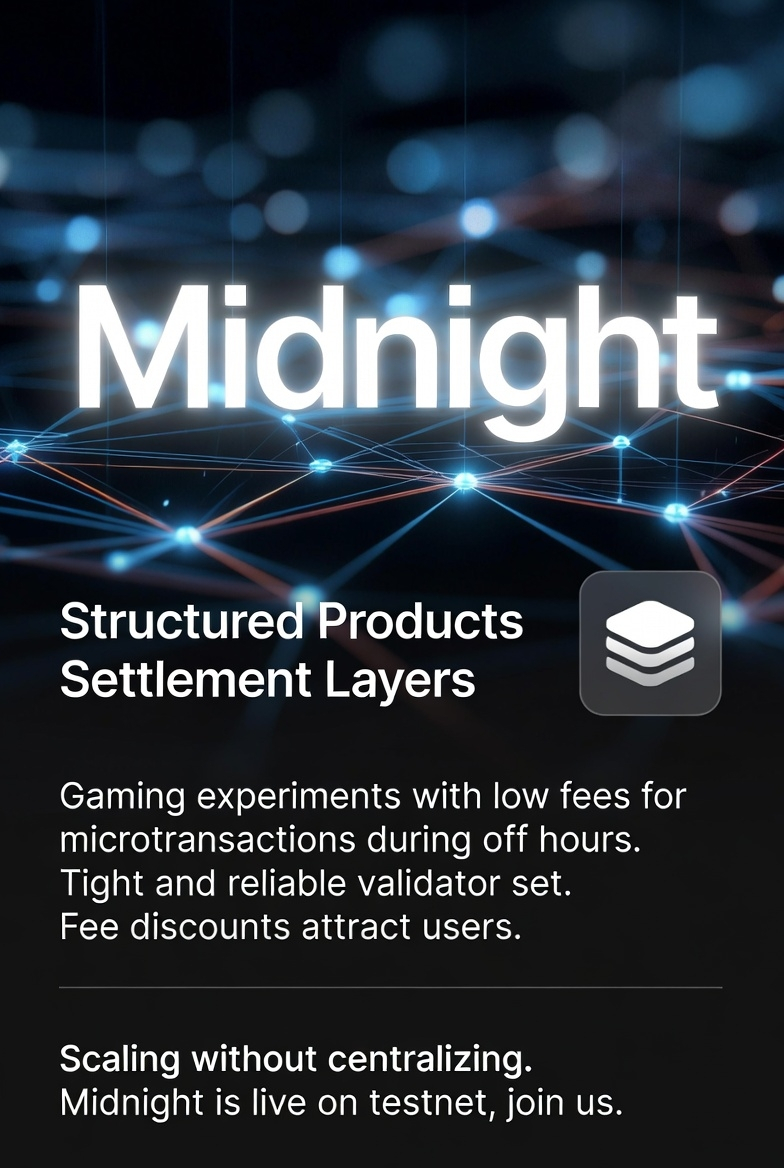
Word around the campfire is that some structured products are looking at Midnight for settlement layers. Nothing announced yet, but the chatter is there. Also hearing about gaming experiments low fees during off hours make microtransactions actually viable, which is interesting.
What I'm watching next

Gonna keep an eye on how the validator set evolves. Right now it's tight and reliable, but scaling that without centralizing is the hard part. Also curious about whether those fee discounts actually drive meaningful usage or just attract discount hunters who leave when the next chain offers better deals.
Bottom line take two
Midnight feels like it was built by people who actually use blockchain and got tired of the nonsense. It's not perfect, it's not trying to be everything to everyone, but for what it does predictable performance, smart cross-chain stuff, actual token utility it's doing it right. Worth keeping tabs on.
@MidnightNetwork $NIGHT #NIGHT
