
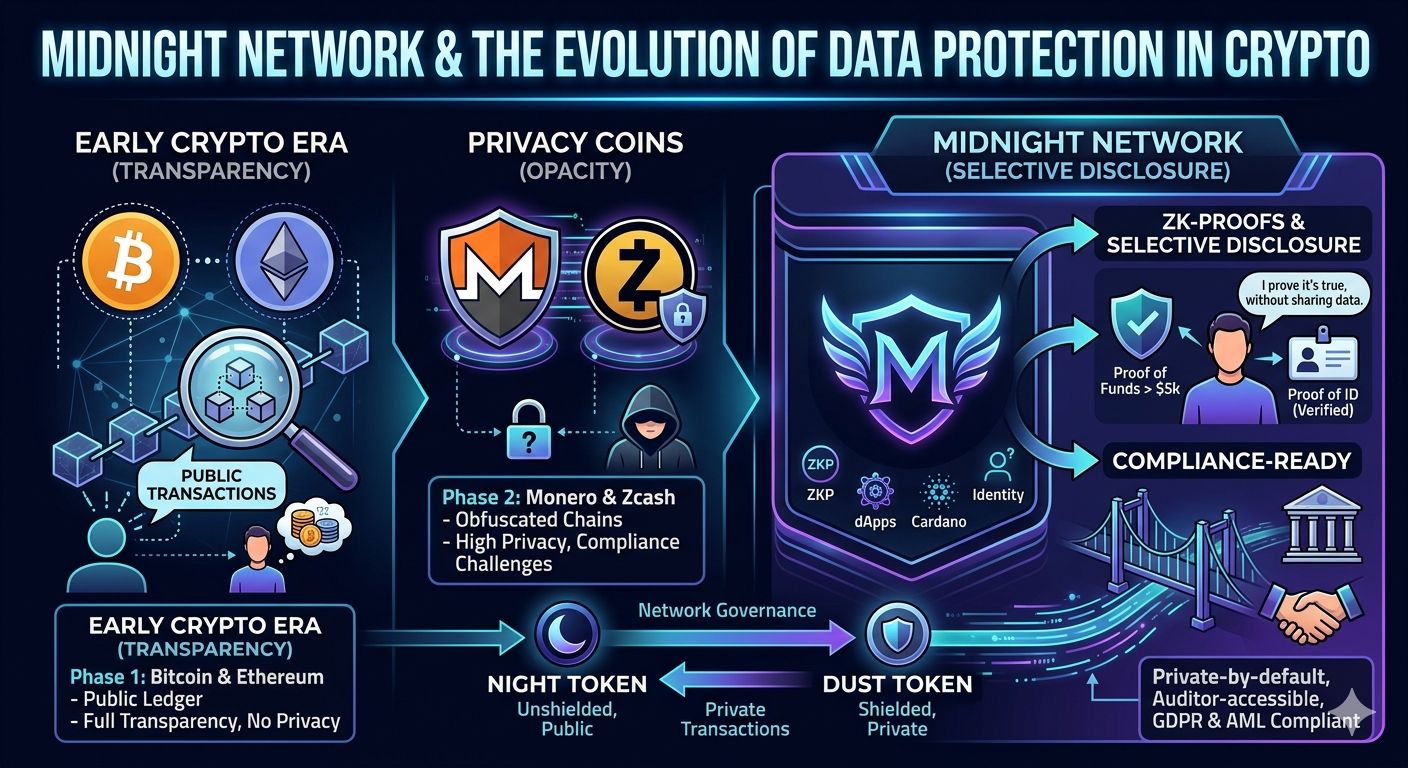
Why Data Protection Matters in the Crypto World @MidnightNetwork
Blockchain technology was introduced as a transparent and trustless system where transactions could be verified by anyone. This openness helped create confidence in decentralized networks. However, as blockchain adoption grows, the conversation about protecting user data has become more important.
Imagine sending a message on a postcard that anyone handling it can read. While the message reaches its destination, the information is exposed along the way. Some blockchain systems operate in a similar way because transaction data can be publicly visible.
For early crypto users, transparency was considered a powerful feature. But as more people and businesses enter the space, expectations are changing. Individuals now want systems that combine trust, transparency, and privacy.
This shift has led to the rise of privacy-focused technologies designed to protect sensitive information while maintaining the integrity of decentralized systems.
The Early Challenges of Blockchain Transparency
Public blockchains were designed to make every transaction traceable. This structure ensures that the system cannot easily be manipulated. Anyone can verify that funds were sent or received, which strengthens trust in the network.
However, full transparency can sometimes create unexpected challenges. Wallet addresses, transaction histories, and asset movements can often be tracked by anyone with access to blockchain explorers. While identities may not always be directly visible, patterns can sometimes reveal more information than users intend.
Think of it like walking through a city where every step you take is recorded on a public screen. Even if your name is not displayed, observers could still analyze your movement patterns. Over time, they might learn more about your behavior than you would prefer.
As blockchain technology expanded into new industries such as finance, gaming, and digital identity, these privacy concerns became more noticeable. Developers began looking for ways to protect sensitive data without sacrificing the transparency that makes blockchain trustworthy.
This search for balance has played an important role in the evolution of data protection within the crypto ecosystem.
Introducing Midnight Network’s Privacy Approach
One project exploring privacy-focused blockchain infrastructure is Midnight Network. The network aims to improve how sensitive information is handled while maintaining the reliability of decentralized systems.
The core idea behind Midnight Network is to allow transactions and interactions to be verified without exposing unnecessary details. Instead of revealing everything publicly, the system focuses on confirming that actions follow the rules while protecting confidential data.
A simple analogy is showing proof that you have a valid ticket to an event without revealing all the personal details printed on the ticket. The verification still works, but your private information stays protected.
This approach could help developers create applications that require both trust and confidentiality. For example, businesses, organizations, or individuals may want to verify agreements or transactions without revealing sensitive internal information.
By exploring privacy-focused architecture, Midnight Network contributes to the broader effort to improve data protection across the blockchain ecosystem.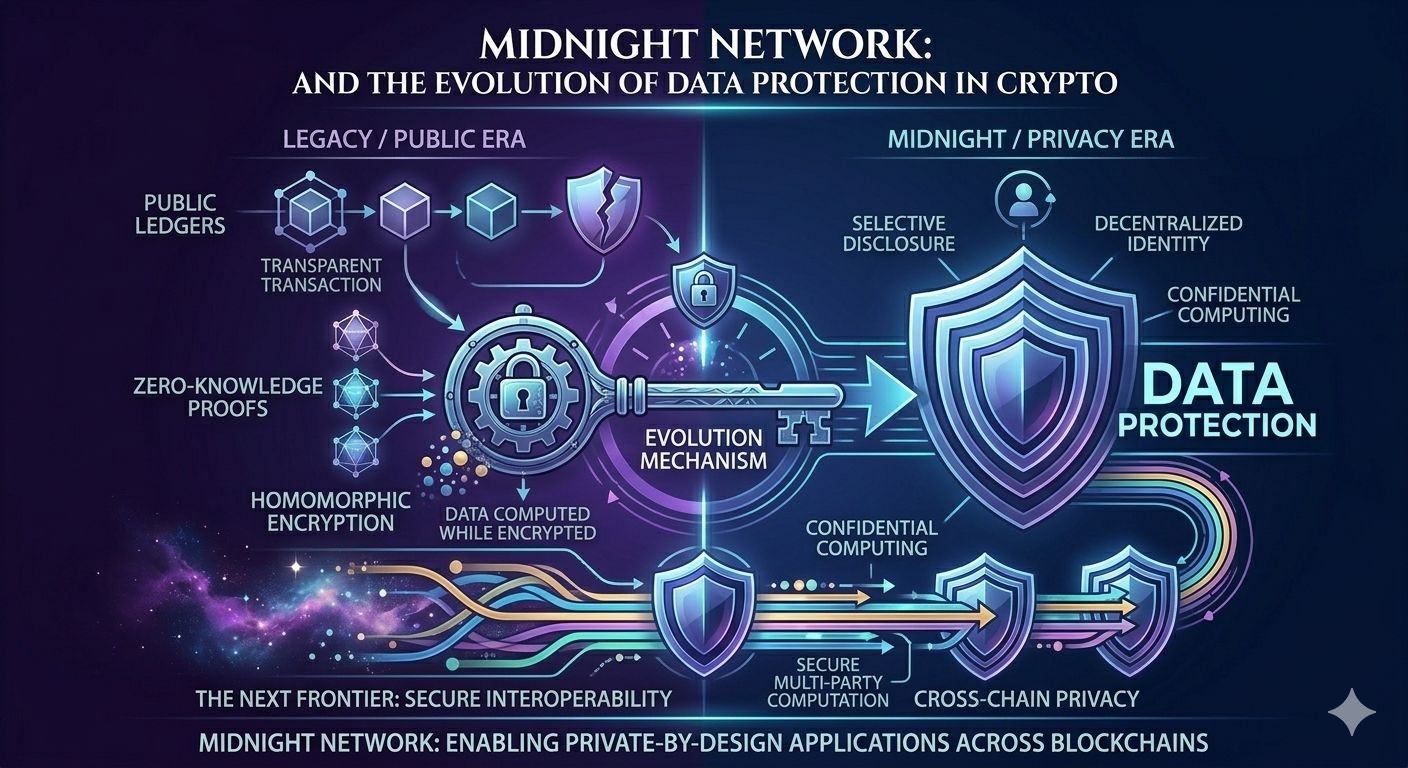
The Role of Zero-Knowledge Technology
One of the key innovations supporting privacy in blockchain networks is zero-knowledge technology. While the term might sound complex, the concept is surprisingly straightforward.
Zero-knowledge proofs allow one party to prove that something is true without revealing the actual information behind it. Imagine proving that you are over a certain age without showing your exact birthdate. The requirement is confirmed, but your personal data remains hidden.
In blockchain environments, this technology can help validate transactions without exposing sensitive details such as wallet balances or transaction histories. The network still confirms that the rules are followed, but unnecessary information is kept private.
This cryptographic method is becoming increasingly important as blockchain applications grow more sophisticated. Developers want systems that allow secure verification without forcing users to reveal more information than necessary.
Midnight Network explores how zero-knowledge technology can be integrated into decentralized infrastructure. By doing so, it supports the idea that privacy and transparency do not have to be opposites.
Instead, they can work together to create more balanced and user-friendly blockchain systems.
Real-World Benefits of Stronger Data Protection
Improved data protection in blockchain networks could support many practical applications across different industries. As decentralized technology becomes more widely adopted, privacy will likely play a key role in building trust with users.
Digital identity systems are one example. Today, people often share large amounts of personal information when verifying their identity online. Privacy-focused blockchain solutions could allow individuals to confirm their credentials without exposing unnecessary details.
Healthcare data is another area where confidentiality is critical. Medical records contain sensitive information that should only be accessed by authorized individuals. Privacy-preserving blockchain systems could help manage this data securely while still verifying authenticity.
Businesses may also benefit from improved privacy tools. Companies sometimes need to collaborate or conduct transactions without revealing confidential strategies or internal information. Blockchain networks that support private verification could make these interactions more secure.
Even gaming and digital asset ownership may benefit from privacy-focused infrastructure. Players could prove ownership of digital items or achievements without revealing their entire activity history.
These examples highlight how stronger data protection can expand the potential uses of blockchain technology.
The Future of Privacy in Web3
The crypto industry continues to evolve as developers explore new ways to improve security, usability, and scalability. Privacy is becoming one of the most important areas of innovation within this evolving landscape.
Users today expect digital platforms to respect their data while still providing transparency and accountability. Blockchain systems that can achieve this balance may play a major role in the future of Web3.
Projects like Midnight Network contribute to this conversation by exploring how advanced cryptography can strengthen data protection within decentralized systems. By combining transparency with privacy-preserving tools, developers can create applications that feel both secure and practical.
For newcomers to blockchain, it is helpful to remember that the technology is still developing. Each new innovation adds another piece to the larger puzzle of building reliable and user-friendly decentralized infrastructure.
As privacy-focused solutions continue to evolve, they may help blockchain technology expand beyond early use cases and support a wider range of real-world applications.
The journey toward stronger data protection is not just about technology. It is also about building trust between users, developers, and communities in the growing Web3 ecosystem.