
For years the conversation around robotics and AI has followed a predictable script. Build smarter machines. Make them faster, more capable, more autonomous. Once the technology reaches a certain level, everything else will supposedly fall into place.

But the more I watch this space evolve, the more I think that narrative skips over the most uncomfortable part of the story.
Because the real challenge isn’t building machines.
It’s figuring out how those machines actually function inside an economy.
Who verifies their work?
Who coordinates their tasks?
Who ensures that the incentives around them don’t slowly drift into something closed and controlled?
That’s where things start getting complicated. And it’s also where most projects quietly lose interest.
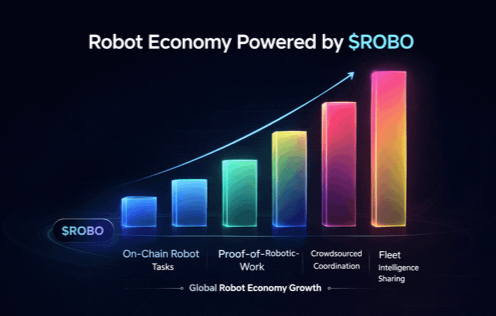
When I first came across Fabric Protocol, I assumed it was another project telling the usual futuristic story about robots and autonomous systems. Crypto has seen plenty of those already. AI became the trend, robotics followed, and suddenly every second pitch deck started sounding like a sci-fi trailer.
But Fabric seems to be approaching the problem from a different direction.
Instead of focusing purely on the machines themselves, the protocol appears to be thinking about the infrastructure underneath them. The layer that coordinates how autonomous systems interact with humans, data, and value.
That’s a far less glamorous problem to solve.
But it might be the one that actually matters.
Fabric Protocol, supported by the Fabric Foundation, is built around the idea that autonomous systems need verifiable frameworks if they’re going to operate in the real world. If robots perform work, their output needs to be validated. If tasks are distributed across machines, the system coordinating those tasks needs transparency.
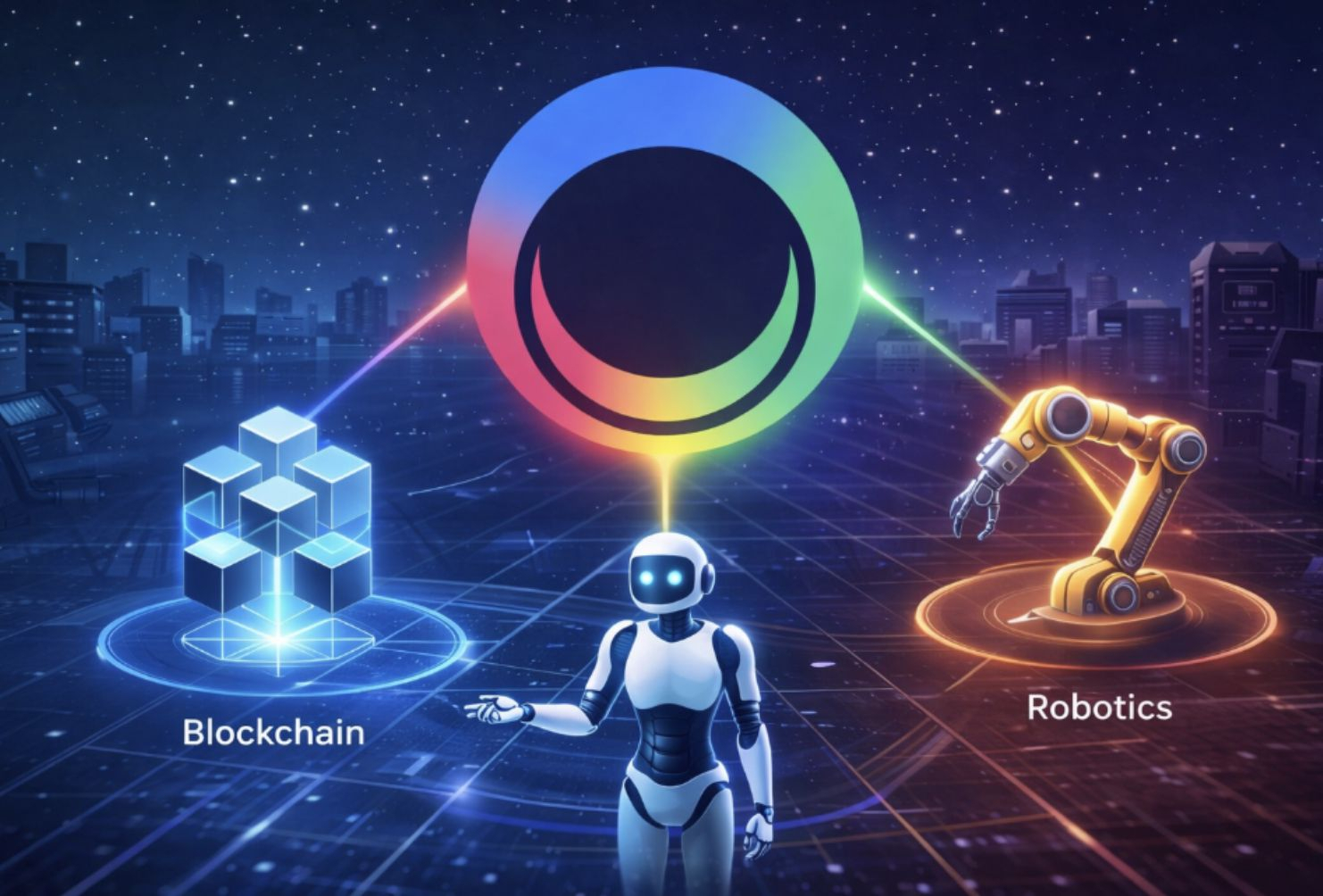
Otherwise you’re left with something that looks impressive on the surface but collapses the moment trust becomes an issue.
Verifiable computing becomes important here.
Not because it sounds technical, but because it solves a practical question: how do you prove that a machine actually did what it claims to have done?
Without that, machine economies remain theoretical.
Another interesting piece of Fabric is its focus on agent-native infrastructure. Instead of treating robots as external tools interacting with a system designed purely for humans, the protocol seems to acknowledge that autonomous agents themselves will eventually participate directly in digital networks.
That changes the design requirements completely.
Coordination, governance, identity, incentives—suddenly all of those things have to function across both humans and machines.
And historically, coordination has been one of the hardest problems to solve in decentralized systems.
This is why the project caught my attention. Not because it promises a dramatic future filled with intelligent machines, but because it seems to be looking at the friction that appears once those machines start interacting with real economies.
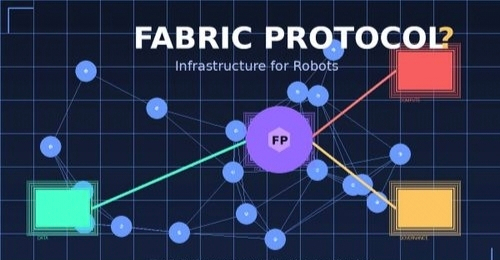
It’s a subtle difference, but an important one.
Crypto has never had a shortage of big visions. What it often lacks is infrastructure that can handle complexity once those visions start turning into reality.
Fabric appears to be working in that quieter layer. The rails that make collaboration between humans and machines possible without turning the system into chaos.
Of course, recognizing a problem is only the first step.
Execution is where things get difficult. Plenty of projects have started with thoughtful ideas and struggled once real usage arrived. Coordination systems sound elegant on paper, but the moment real incentives enter the picture, things get messy.

That’s the part the industry rarely talks about.
So I’m not treating Fabric as a solved story. It isn’t. The project is still early, and the space it’s entering is complex by definition.
But I do think it’s asking the right questions.
If autonomous machines are going to become part of digital economies, there needs to be an underlying framework that handles trust, contribution, and governance. Without that layer, the system doesn’t scale.
Right now, Fabric looks like one of the projects trying to build that layer.
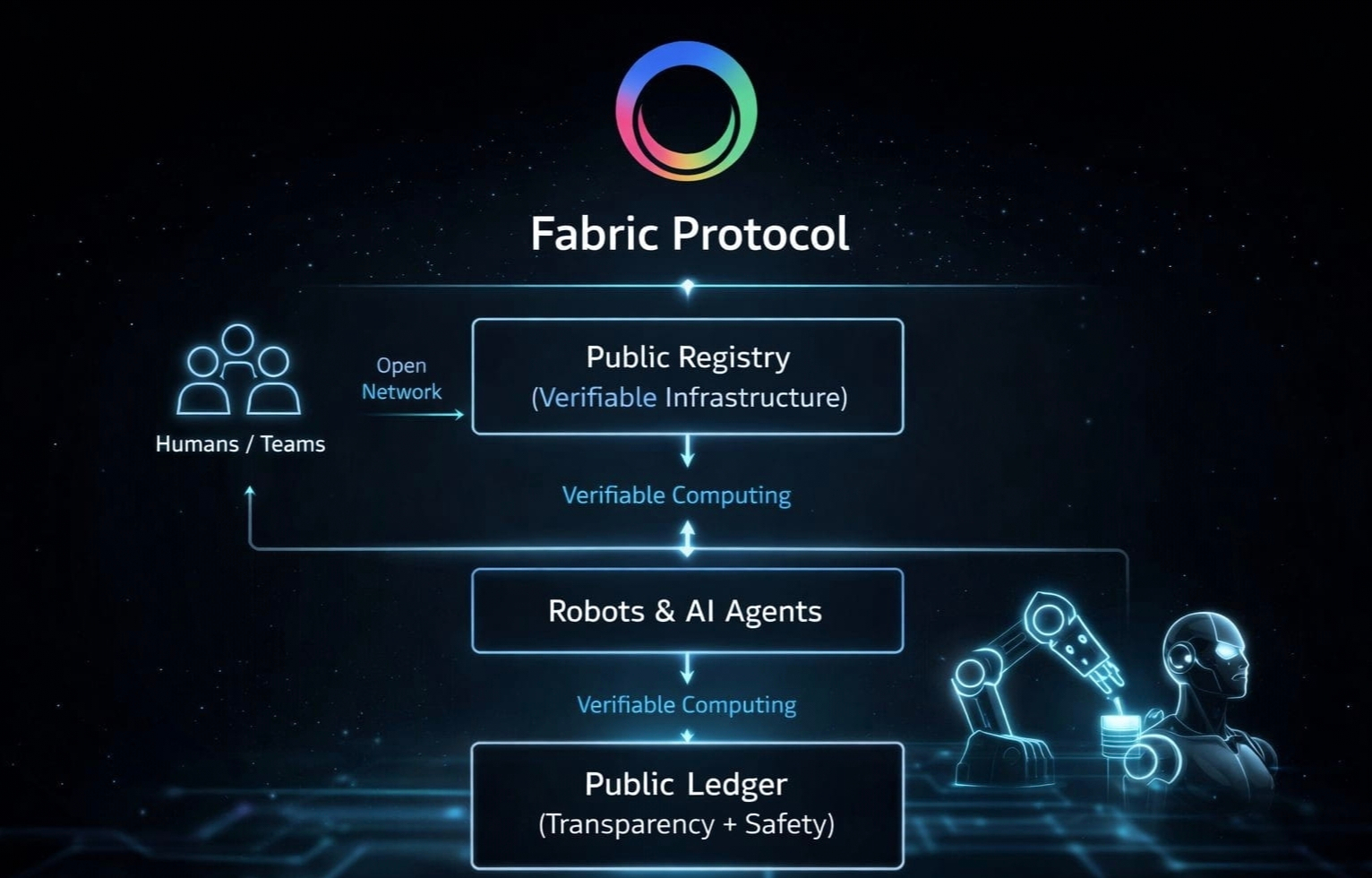
Whether it succeeds or not will depend on how well the ideas translate into real infrastructure.
For now, I’m simply watching how the pieces evolve.
Because the future of machine economies probably won’t be decided by the machines themselves.
It’ll be decided by the systems that coordinate them.
@Fabric Foundation $ROBO #ROBO
