
After watching transaction logs scroll by on public explorers for years, one pattern keeps standing out to me. The same openness that lets anyone audit the code also means anyone can audit you. It’s not dramatic at first—just a small hesitation when you realize your wallet activity is out there forever.
That hesitation is spreading. More people are stepping back from decentralized apps not because they distrust the tech, but because they suddenly feel watched.
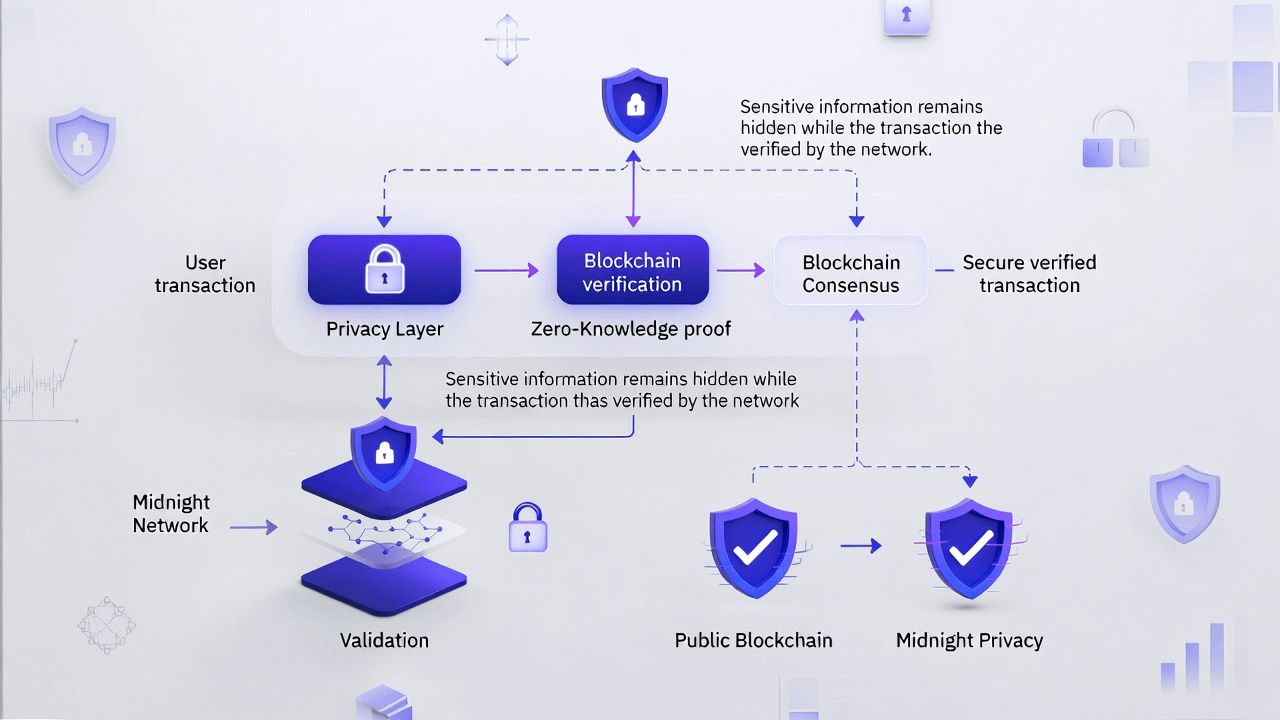
Midnight Network caught my attention because it sits right in the middle of that tension. It’s exploring how blockchain infrastructure can keep the decentralized verification we all lean on while adding room for privacy. The idea isn’t to hide the entire system; it’s to let users decide what stays visible.
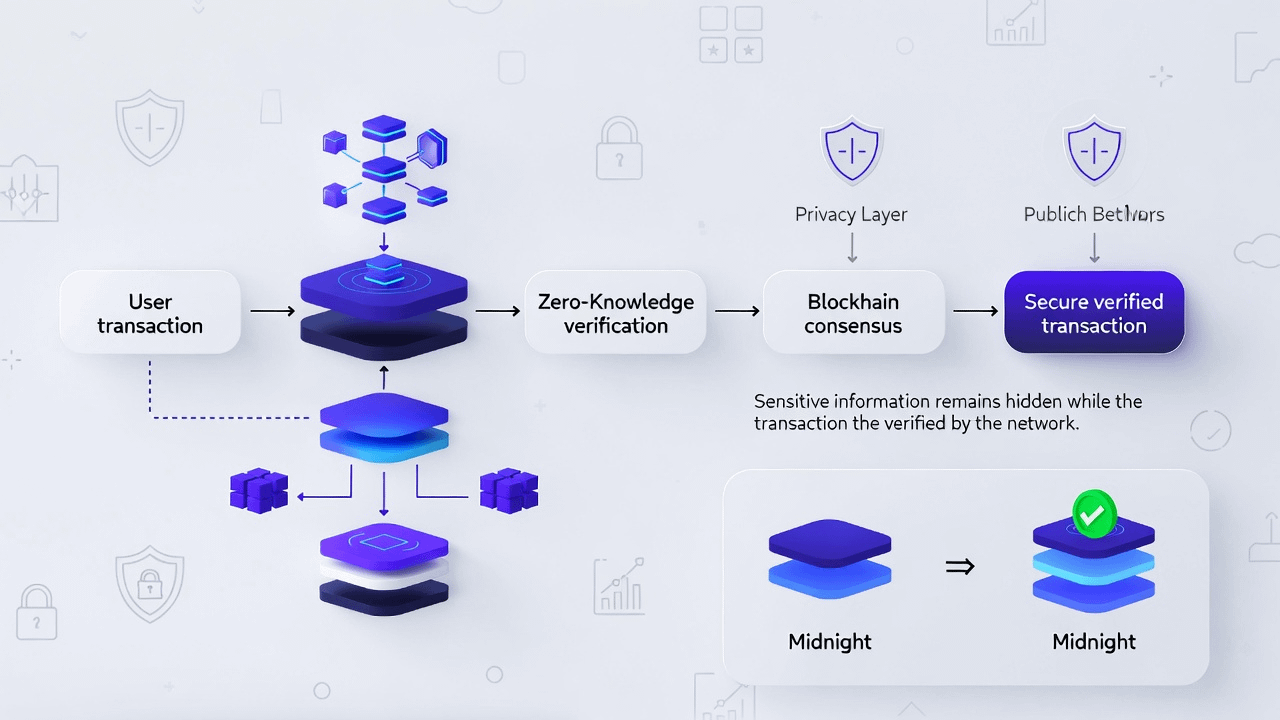
In simple terms, Midnight uses zero-knowledge proof technology. You can prove a transaction happened correctly, or that you meet certain conditions, without showing the numbers or details behind it. The ledger still checks everything, but the sensitive parts stay off-stage.
Privacy infrastructure feels more relevant the longer decentralized apps stick around. Finance, identity tools, even simple social features start to feel exposed once real life collides with permanent records. Projects like @MidnightNetwork are quietly testing ways to balance that transparency with actual user control.
If you want to see how they frame it, their profile on Binance Square is a good spot: https://www.binance.com/en/square/profile/midnightnetwork.
The network’s own ecosystem runs on $NIGHT , which ties participation and incentives together in ways that support this privacy-first approach. It’s not the flashiest token story, just one piece of a larger attempt to make privacy feel native instead of bolted on.
Of course nothing here is finished. The ecosystem is still early, so tools and integrations are sparse. Zero-knowledge proofs bring real technical complexity that slows development. And there are other privacy chains competing for the same mindshare, each with different trade-offs.
Still, the direction feels worth watching. It makes me wonder whether the next wave of blockchain adoption will depend less on how open everything is and more on how thoughtfully we can keep some things closed.
