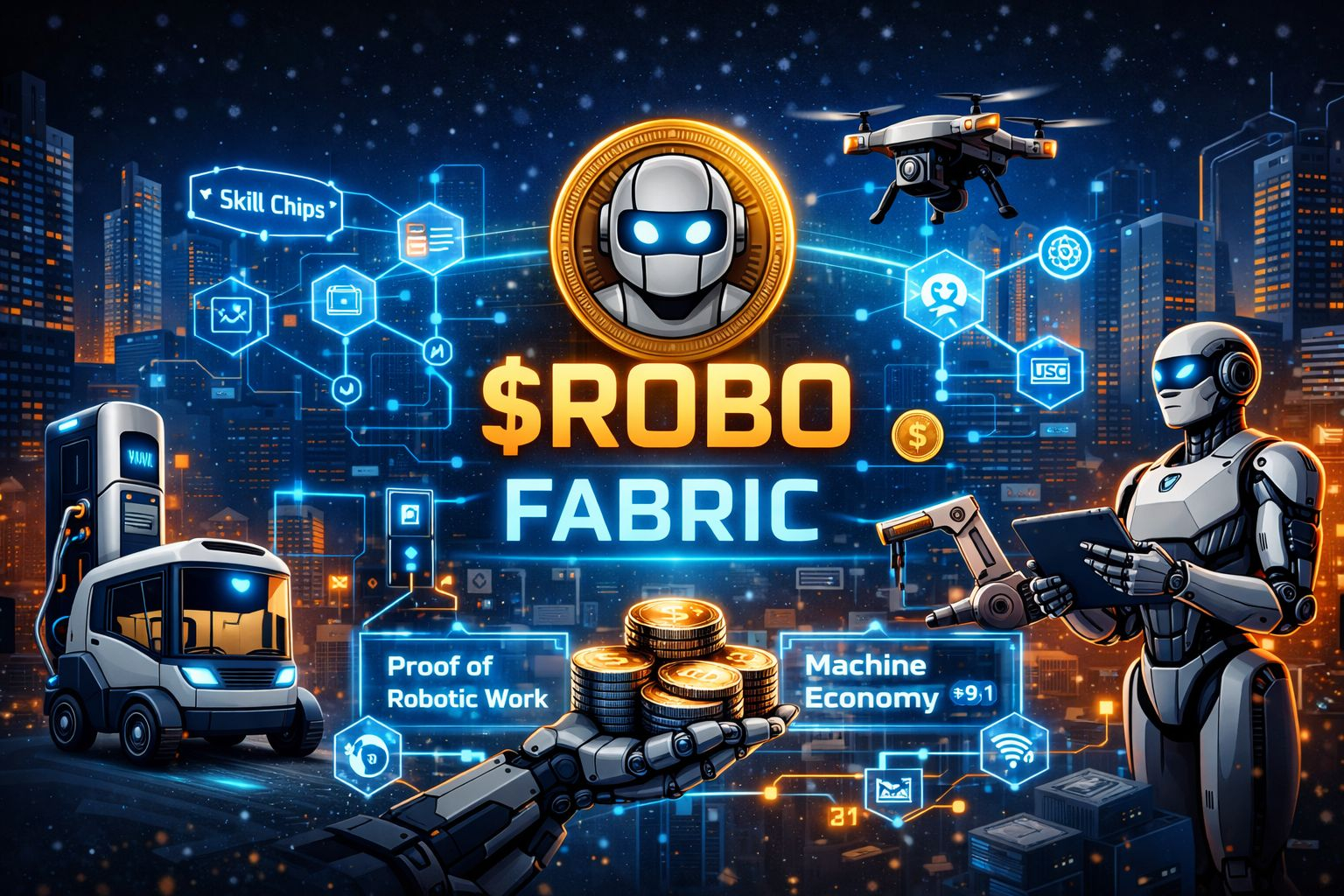
Jika Anda berpikir bahwa perubahan besar berikutnya dalam teknologi hanyalah AI yang lebih cerdas… pikirkan lagi. Revolusi sebenarnya mungkin datang dari infrastruktur yang lebih baik—saluran yang membuat robot tidak hanya bekerja, tetapi juga menghasilkan, membayar, dan berinteraksi seperti manusia.
Masuk @Fabric Foundation .
Saya sudah mengamati proyek ini selama beberapa waktu, dan sejujurnya, itu membuat saya terkesima. Ini bukan hanya protokol kripto lainnya. Ini adalah infrastruktur robotik. Lapisan yang tidak diperhatikan orang… sampai itu hilang.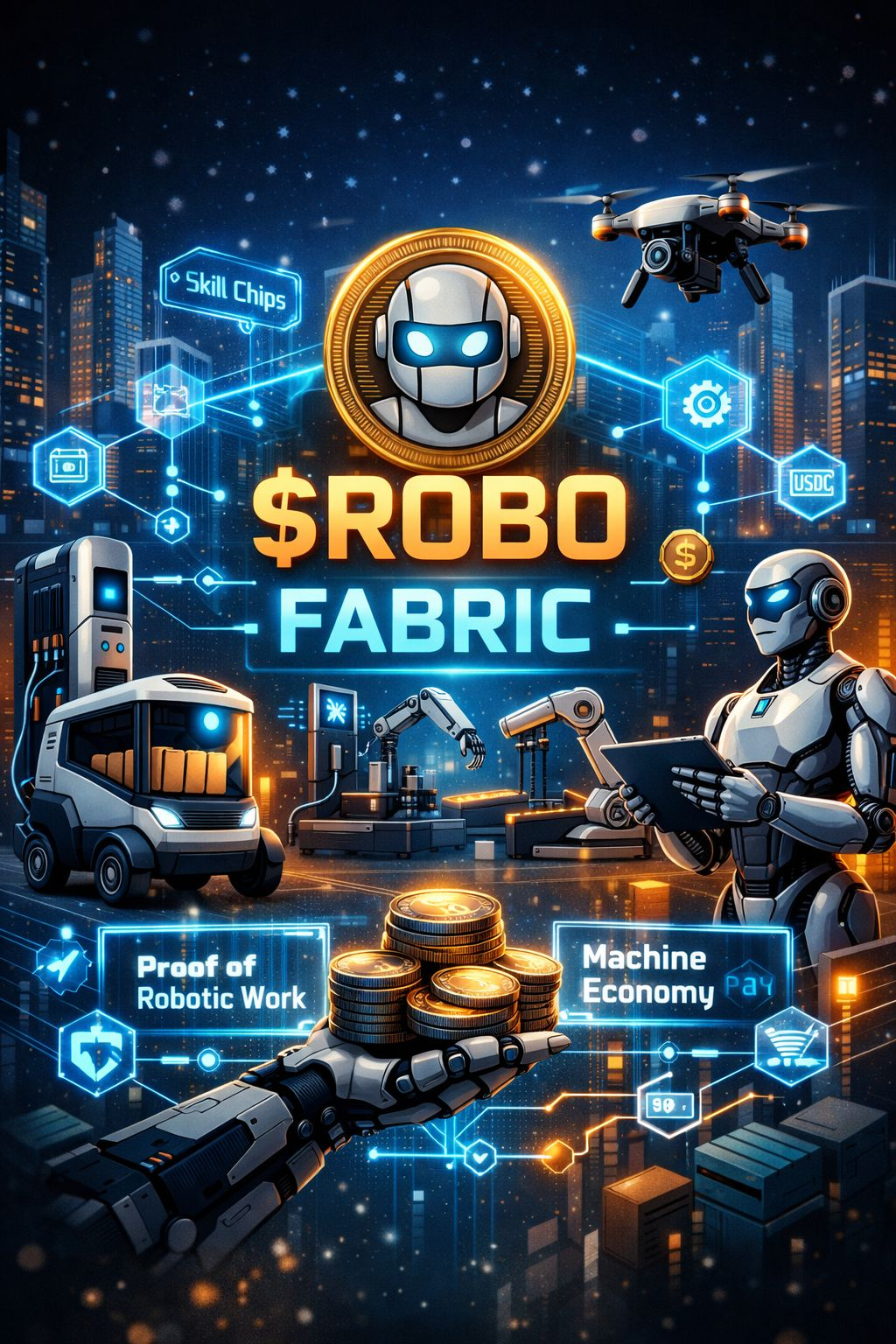
Mengapa Fabric Berbeda
Bayangkan dunia yang dipenuhi dengan robot:
Robot pengantar menjatuhkan belanjaan Anda
Drone keamanan patroli lingkungan
Mesin pabrik melakukan inspeksi yang tepat
Inilah masalahnya: robot-robot ini berasal dari perusahaan yang berbeda, berbicara dalam "bahasa" yang berbeda, dan tidak memiliki bos pusat. Bagaimana mereka saling mempercayai? Siapa yang membayar mereka? Siapa yang memverifikasi pekerjaan?
Fabric menyelesaikan ini.
OM1 adalah OS yang memungkinkan robot memahami dan berinteraksi dengan dunia.
Fabric berada di samping OM1, memberikan setiap robot identitas on-chain.
Sekarang robot dapat menerima tugas, menyelesaikannya, dan dibayar secara otomatis—semua tanpa manusia di dalam proses.
ROBO: Token Nyata untuk Pekerjaan Nyata 💰
Token yang menggerakkan ekosistem ini adalah $ROBO, dan itu bukan kripto biasa.
Robot mendapatkan ROBO hanya ketika mereka menyelesaikan tugas di dunia nyata—memetakan ruangan, patroli area, memberi label objek.
Operator mempertaruhkan ROBO sebagai ikatan kepercayaan. Jika robot gagal, taruhannya bisa menyusut.
Ini disebut Bukti Pekerjaan Robotik. Token terikat pada produktivitas fisik yang sebenarnya, bukan hype.
Pada dasarnya, ROBO adalah kripto pertama yang terikat langsung pada apa yang dilakukan robot di dunia nyata.
Chip Keahlian: Robot yang Terus Menjadi Lebih Cerdas
Fabric juga memperkenalkan Chip Keahlian—modul perangkat lunak kecil yang memberikan robot kemampuan baru.
Navigasi lebih baik
Mendeteksi objek
Interaksi dengan alat
Pengembang dapat berbagi chip di seluruh jaringan. Satu robot belajar keterampilan baru, dan tiba-tiba ratusan dapat mengambil manfaat. Pikirkan ini seperti Toko Aplikasi untuk robot.
Gerakan Dunia Nyata (Pembaruan Baru!) ⚡
Tim ini tidak menunggu masa depan—mereka sudah menguji interaksi dunia nyata:
Robot membayar untuk stasiun pengisian melalui USDC, secara penuh otonom.
Robot pengantar menyelesaikan pekerjaan dan mendapatkan $ROBO secara instan.
Robot pabrik memetakan lingkungan dan melakukan inspeksi, mengirimkan data terverifikasi ke blockchain.
Pembaruan Terbaru: Fabric baru saja mengumumkan integrasi dengan robot logistik baru dalam program percontohan perkotaan, memungkinkan mesin menangani pengiriman, pembayaran energi, dan pemeliharaan tanpa pengawasan manusia. Umpan balik awal menunjukkan verifikasi tugas yang lebih cepat dan pembayaran mikro yang mulus—langkah besar menuju ekonomi robot yang sepenuhnya.
Mengapa Anda Harus Menonton $ROBO
Ini adalah utilitas dunia nyata, bukan hanya hype.
Token tumbuh dalam nilai seiring dengan adopsi robot, bukan buzz media sosial.
Pengembang dapat berkontribusi keterampilan, memperluas kemampuan jaringan.
Ini meletakkan dasar untuk ekonomi yang bersifat mesin, di mana robot bertransaksi satu sama lain secara otonom.
Yang Menangkap
Tidak ada yang mudah dalam robotika:
Mesin bisa rusak, lingkungan tidak dapat diprediksi
Skalabilitas di berbagai kota itu sulit
Tantangan regulasi seputar pembayaran otonom
Likuiditas token mungkin tipis di awal
Tetapi itu juga mengapa inovator awal yang memahami ruang ini bisa mendapatkan manfaat besar.
Intinya
ROBO bukan hanya token. Ini adalah mata uang ekonomi robot masa depan.
Fabric sedang membangun infrastruktur yang dapat menjadikan robot pelaku ekonomi independen, mendapatkan, membayar, dan belajar sendiri.
Jika ini berhasil dalam skala besar, kita tidak hanya membicarakan AI yang lebih cerdas—kita membicarakan lapisan ekonomi baru yang sepenuhnya didorong oleh robot.
Masa depan sudah di sini. Dan itu berbicara $ROBO .