
Understanding Layer 1 Blockchains
Layer 1 blockchains are the foundation of the crypto world. They handle transactions, security, and smart contracts all in one place. Popular examples use a single native token for everything, from paying fees to staking and governance.@MidnightNetwork
At first, this seems simple and efficient. One token means fewer moving parts and easier onboarding for users. But as blockchain ecosystems grow, this “one-token-fits-all” model can start to show cracks.
Think of it like using one key for your house, car, office, and locker. It works, but it’s not always the safest or most flexible option.
The One-Token Problem
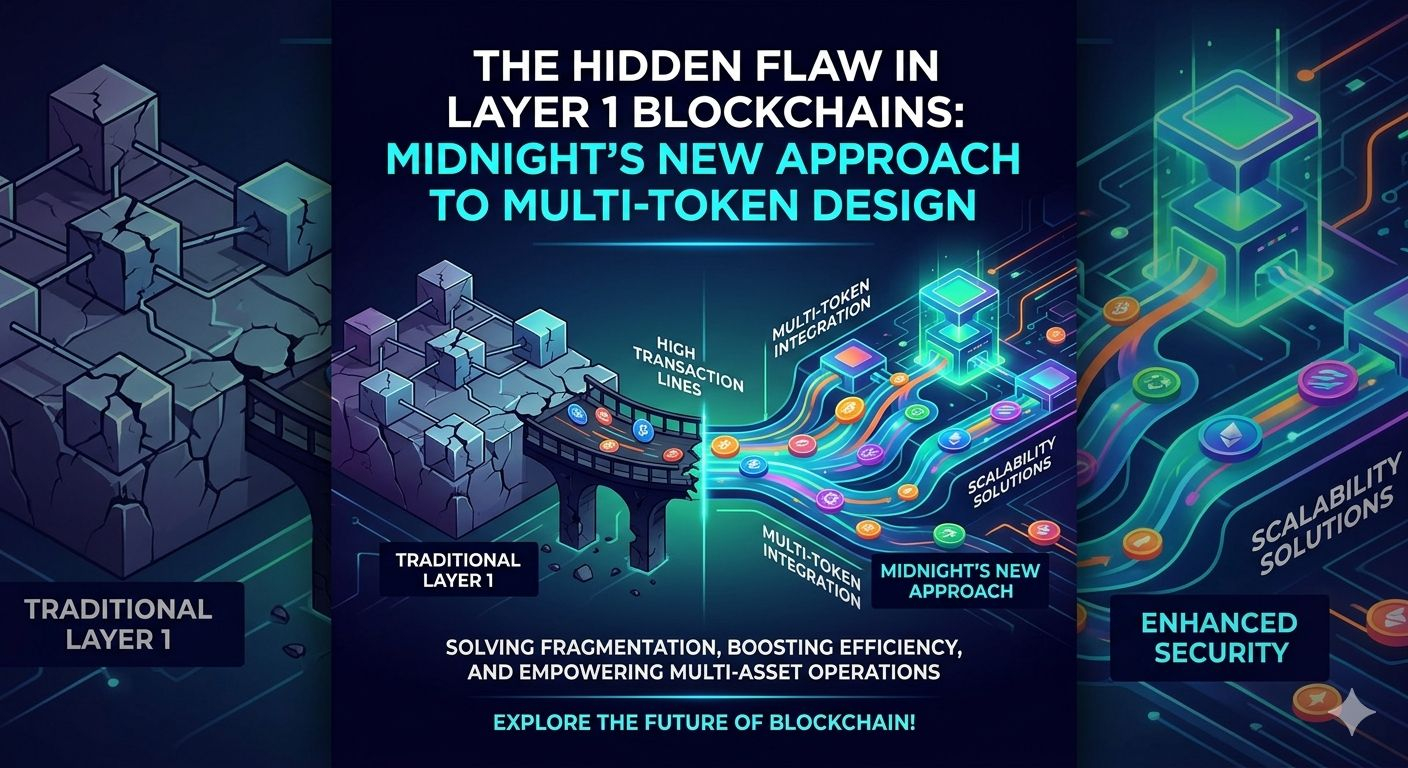
Using a single token for multiple purposes creates hidden inefficiencies. When the same token is used for fees, rewards, and governance, its demand becomes unpredictable. This can lead to price volatility that affects the entire network.
For example, if network activity spikes, transaction fees may rise sharply. At the same time, users who want to participate in governance may find the token too expensive. This creates friction and limits accessibility for everyday users.
It also mixes different economic roles into one system. Imagine if fuel, voting rights, and savings were all tied to the same currency in real life. Things would quickly become complicated and unstable.
Why It Matters for Users
For the average user, these issues can make blockchains harder to use. High fees, confusing token roles, and unpredictable costs can discourage participation. This is especially important as crypto aims to reach a broader audience.
New users often prefer clarity. They want to know what they are paying for and why. When one token tries to do everything, it becomes harder to explain and understand.
A smoother experience means separating responsibilities. Just like apps have different buttons for different actions, blockchain systems can benefit from clearer structures.
Midnight’s Multi-Token Approach
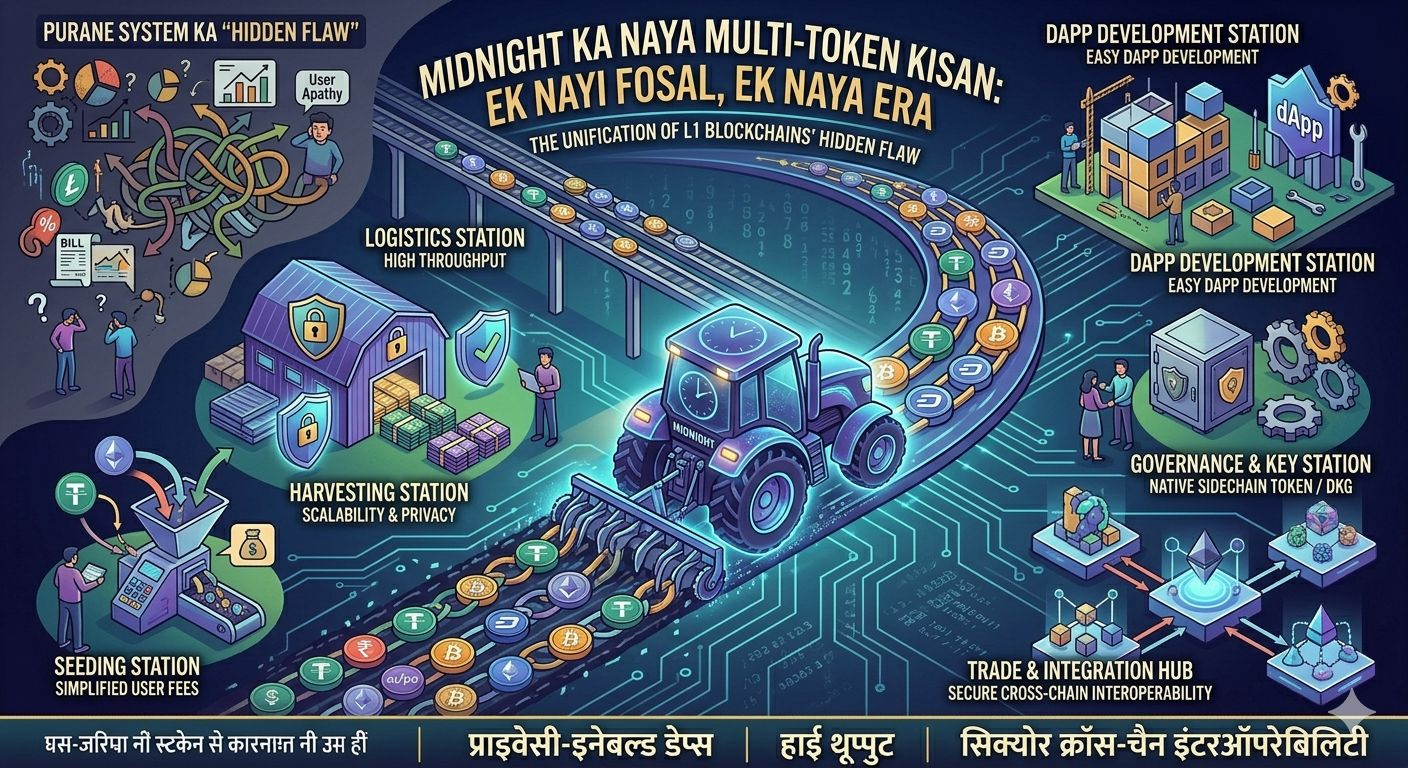
Midnight introduces a different idea: separating functions across multiple tokens. Instead of relying on one asset for everything, it assigns specific roles to different tokens.
One token might handle transaction fees, while another could be used for governance or rewards. This creates a more balanced and predictable system. Each token serves a clear purpose, reducing confusion and improving efficiency.
It’s similar to having separate tools for different tasks. You wouldn’t use a hammer for everything, and blockchains don’t need to rely on a single token either.
Benefits of a Modular Design
A multi-token system offers flexibility. It allows networks to adjust specific parts without affecting the entire ecosystem. For example, fee structures can change without disrupting governance participation.
This approach can also improve stability. By separating economic roles, price fluctuations in one token are less likely to impact other functions. That means a more consistent experience for users.
Developers benefit too. They can design applications with clearer incentives and better user flows. This opens the door for more creative and user-friendly blockchain solutions.
Looking Ahead: A Smarter Blockchain Model
The idea of multi-token design is still evolving, but it highlights an important shift. As blockchain technology matures, simplicity alone is no longer enough. Systems need to be both user-friendly and structurally sound.
Midnight’s approach shows that innovation doesn’t always mean adding complexity. Sometimes, it’s about organizing things in a smarter way. By separating roles, blockchains can become easier to use and more resilient over time.
Of course, every design comes with trade-offs, and users should always do their own research before engaging with any system. This article is for informational purposes only and does not provide financial advice.
As the crypto space continues to grow, thoughtful design choices like these could shape the next generation of blockchain experiences.