
So, the first time I stumbled onto Midnight Network, I was kind of confused. Like, okay, another privacy chain, I thought. Been there, seen that. But honestly, I started to notice these little oddities—stuff that didn’t line up with the usual privacy pitch. It wasn’t just, “hey, we’ll hide your transactions!” No, there’s this subtle obsession with speed, with actually making things work fast. Privacy felt more like one gear in their machine, not the holy grail. That made me stop and think, “wait, what’s going on here?”
Because let’s be real: privacy in crypto always feels like sacrificing something. You get locked-down privacy, and suddenly you’re waiting forever for your transaction. Or you keep things fast, and eh, your wallet is on display. That tension—ugh, it’s always there. And lately, with AI and bots and apps guzzling data on blockchains, it’s just gotten louder, more annoying.
Take a step back for a second. Look at the big picture. Blockchains aren’t just slinging coins anymore—they’re managing secrets. Real financial records, identity stuff, even weird AI predictions, maybe. So that “everything public” model? Feels super old-school now. Not totally useless, but definitely not keeping up.
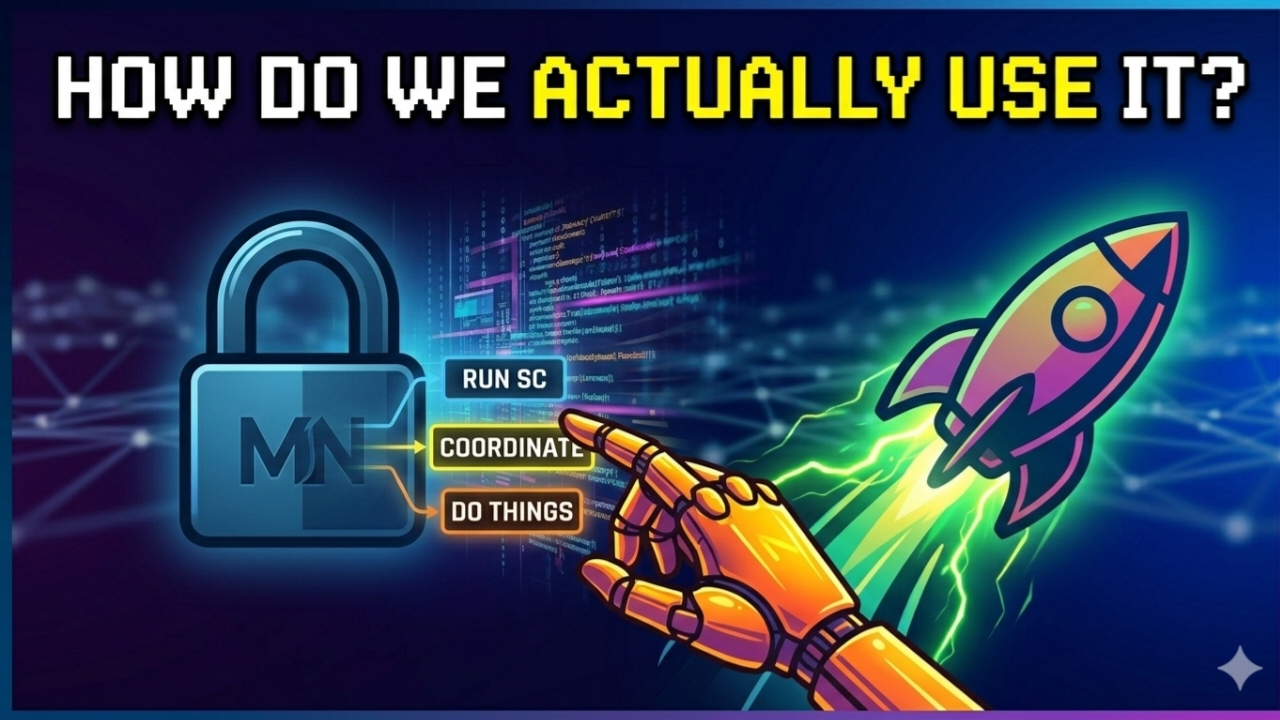
That’s what Midnight’s poking at: “How do you actually USE private data on-chain, not just hide it away?” Like, not just encrypt it and throw away the key—actually do stuff with it. Run smart contracts, coordinate across networks, without everything grinding to a halt. Tricky.
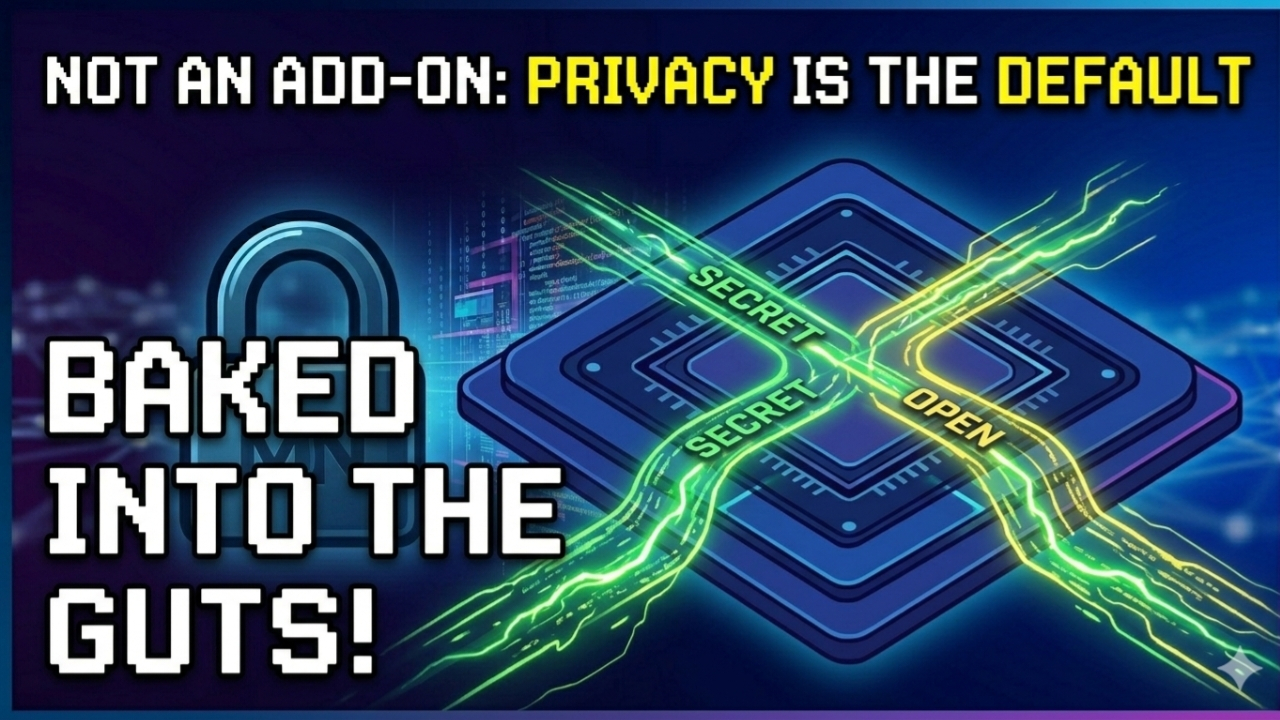
And I’ll admit, I had to read it twice (maybe thrice…). Midnight basically bakes privacy-preserving computation right into its guts. Not tacked on, not “opt-in”—it’s the default. Developers can mix and match which parts are secret, which are open, and the network sorts it out behind the scenes.
Oh, and the Cardano link? That kind of blew my mind. Midnight isn’t just some lone wolf; it’s like Cardano’s privacy sidekick. Use privacy when you need it, transparency everywhere else. It’s modular, flexible—a choose-your-own-adventure for data.
Now, the performance angle... that’s where things usually get messy. Zero-knowledge proofs, secure enclaves, all that fancy tech—they usually slow things down or make everything more complicated. Midnight’s messing with ways to cut those problems down—not totally vanishing them (which, honestly, would be magic), but making it way less painful for devs. So you don’t have to pick: either privacy OR usability. You can—maybe—have both.
Compared to older privacy chains, Midnight feels less preachy, more “let’s actually get stuff done.” Less “privacy or bust,” more “privacy where it counts.” That shift? It’s actually refreshing.
But, yeah, there’s still some big question marks. Developer adoption for one. Privacy tech is hard—nobody’s pretending otherwise. Good tools, clear docs, the whole developer experience stuff… if they mess that up, doesn’t matter how smart the architecture is.
Regulation’s another beast. Crypto privacy always kinda sits in this weird, gray zone—not banned, but people get suspicious. Confidential networks tend to pull eyeballs, and sometimes that shapes the rules, whether you like it or not.
And, performance—show me the numbers! Every chain claims speed, but living up to it when real users hit the network? That’s another story entirely.
Still, zooming out, Midnight feels like it’s part of this bigger shift. Blockchains getting way more nuanced—not just “private or public,” but both, depending on the context. Which, honestly, is where everything’s heading.
I keep picturing what happens as these networks start running more sensitive stuff. Like, AI bots sorting out contracts, identity layers actually proving who you are, financial tools touching real dollars—privacy won’t be optional; it’ll be a must-have, baked into the foundation.
And Midnight? Feels like it could be the layer handling all those shadowy bits. Not a replacement, more like the guy in the back quietly cleaning up the mess. The stuff nobody wanted to build out loud before. Kind of amazing, if it works.
#night @MidnightNetwork $NIGHT
