
I used to think privacy in crypto was just a toggle.
Something you turn on when you need it. A feature. Optional. Secondary.
But the deeper I looked into $NIGHT, the more that assumption started to break.
Because what they’re building doesn’t behave like a feature at all.
It behaves like a foundation.
Most of crypto still runs on radical transparency.
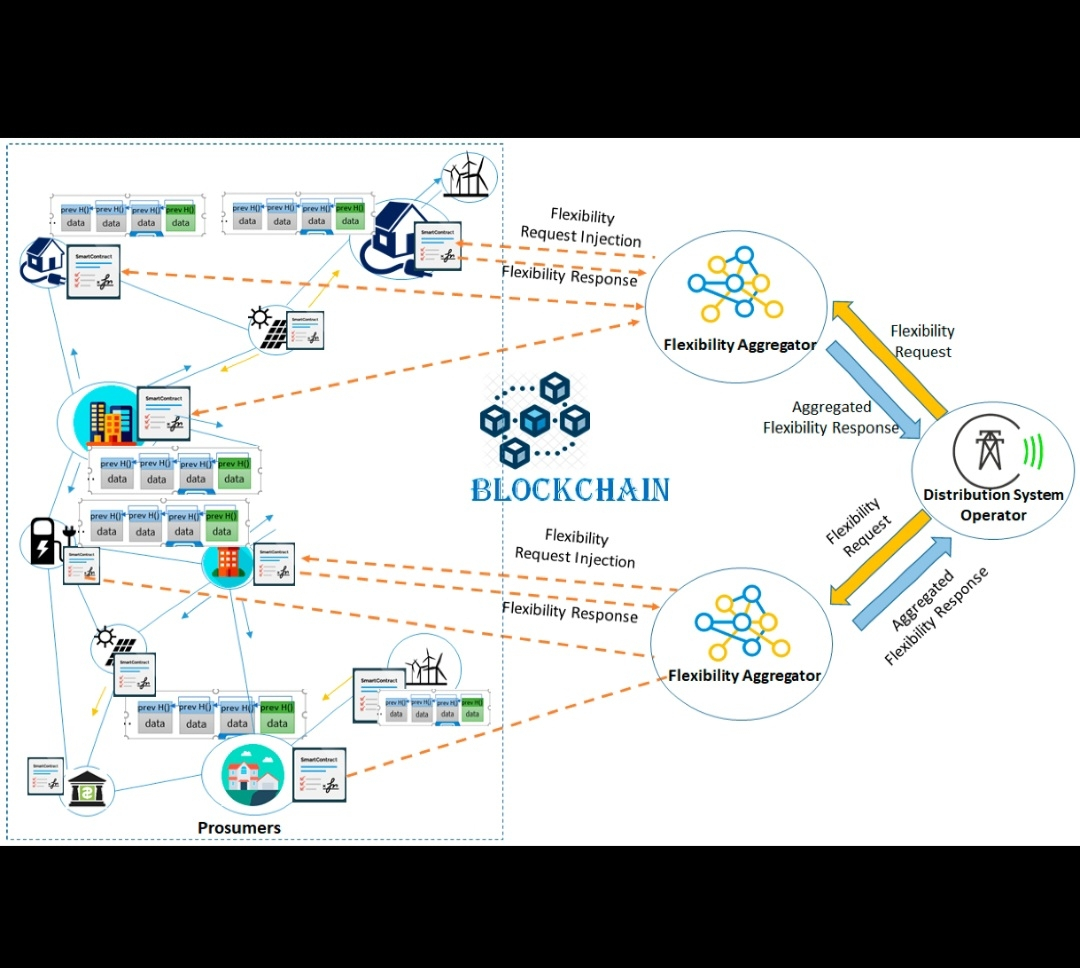
Everything is visible. Wallets, flows, positions, behavior. It’s useful for verification, but it comes with a cost people don’t like to admit — exposure.
Strategies get copied. Users get tracked. Activity becomes predictable.
And once you see that clearly, one thing becomes obvious:
An open system without privacy doesn’t scale to serious economic activity.
What NIGHT is doing is reframing that problem entirely.
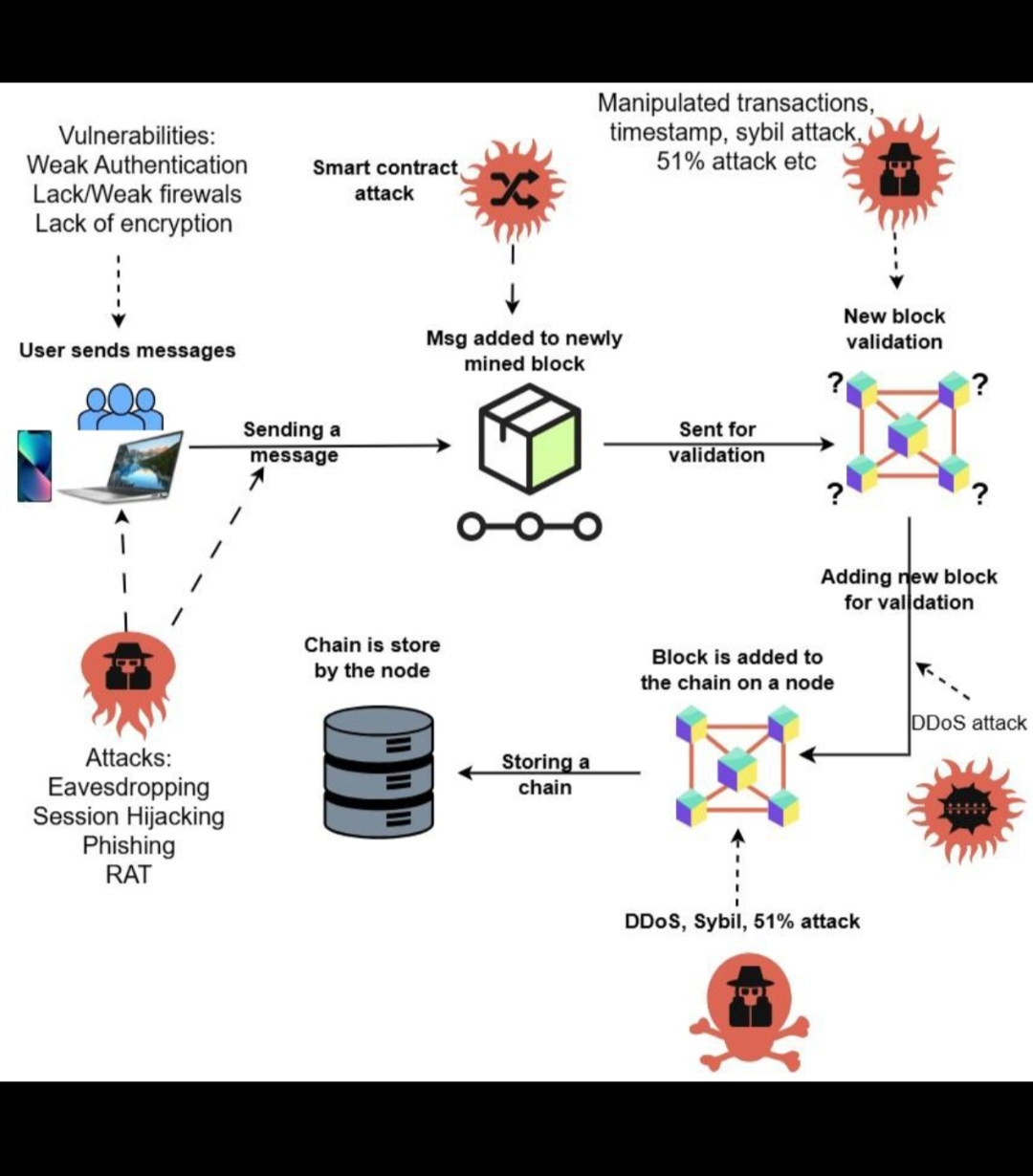
It’s not trying to “hide data.”
It’s restructuring how data exists onchain.
There’s a difference.
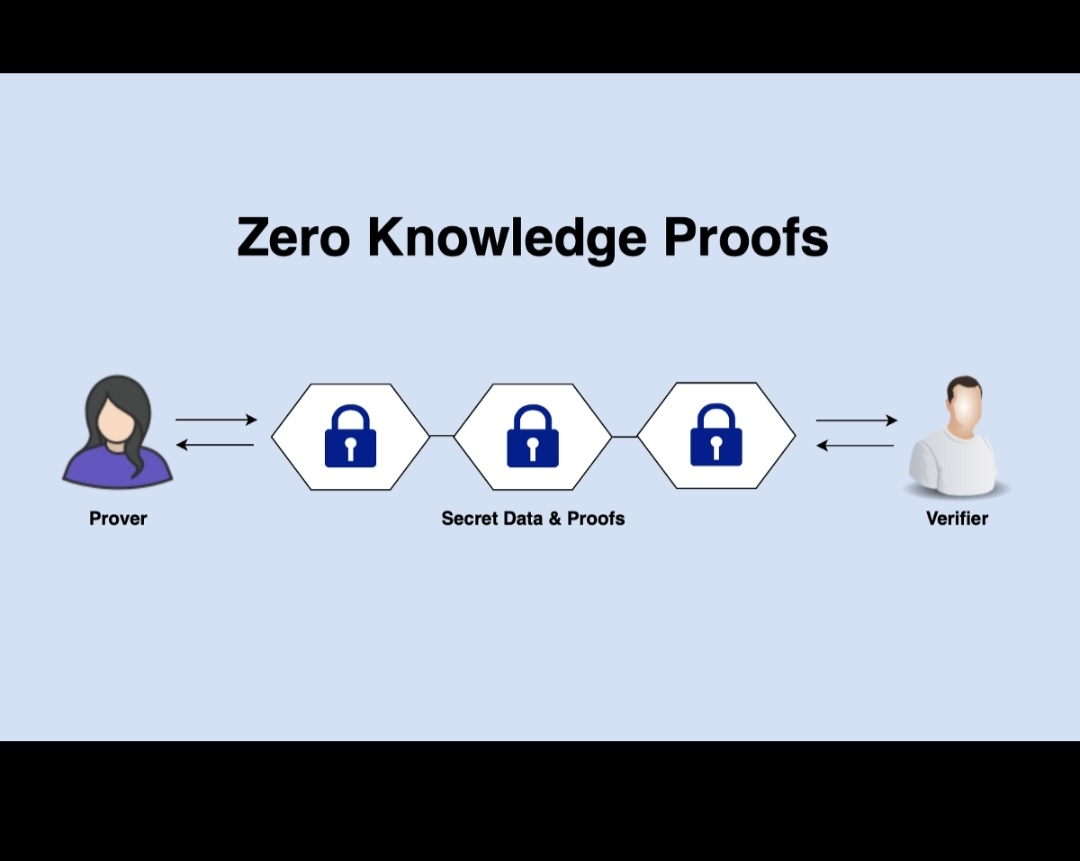
Instead of exposing everything and trying to protect it later, the system is designed so sensitive information never becomes publicly exploitable in the first place. Verification still happens — but without revealing the underlying data.
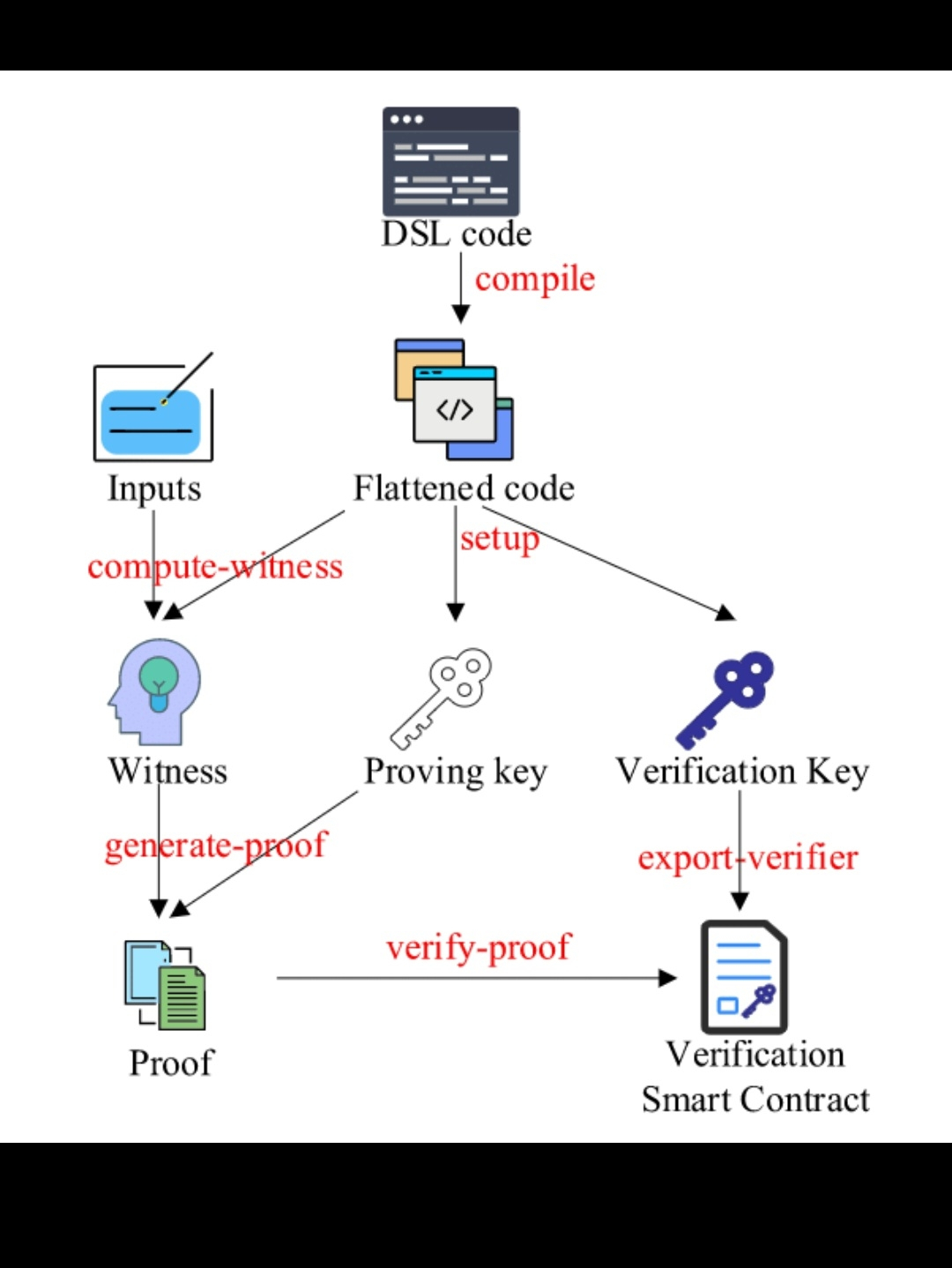
That’s a completely different model.
The first time this really clicked for me was when I thought about how markets actually work outside of crypto.
In traditional finance, information is controlled. Positions aren’t broadcast. Strategies aren’t visible in real time. There’s asymmetry, discretion, and protection.
Not because the system is broken — but because it needs to function.
Now compare that to most onchain systems today.
Everything is exposed by default.
That’s not transparency. That’s leakage.
NIGHT sits exactly in that gap.
It introduces a model where computation can be trusted without making the data public. Where smart contracts don’t force you to reveal your entire state just to participate.
And once that becomes possible, the design space expands fast.
You can have private DeFi strategies.
Confidential identity layers.
Selective disclosure instead of full exposure.
Systems that feel usable beyond just experimentation.
What I find most interesting is that this isn’t about hiding from the system.
It’s about making the system usable for people who actually care about what they’re doing.
Because right now, if you’re operating at any meaningful level, full transparency becomes a disadvantage. You’re not just participating — you’re broadcasting.
NIGHT removes that friction.
There’s also a deeper shift happening here that I don’t think people fully appreciate yet.
Privacy isn’t just about protection.
It’s about control.
Control over when information is revealed, to whom, and under what conditions.
That’s what turns a public network into something that can support real economic behavior — not just open experimentation.
I don’t see NIGHT as a niche privacy play.
I see it as a necessary layer that most of crypto skipped in its rush to scale transparency.
And now the system is catching up.
Because without privacy, you get visibility.
With privacy, you get viability.
And if NIGHT executes properly, that distinction won’t be philosophical.
It will be structural.