


I keep coming back to the same question this week: in a market that still loves speed and speculation, who actually owns the rails? On 2026-03-25 (UTC), that feels a lot more urgent than another recycled “next 100x” thread, because digital sovereignty only matters if the infrastructure underneath it can verify identity, ownership, and agreements without forcing everyone to trust a single gatekeeper.
From my screen this morning, majors still look like they’re in that familiar push-pull phase where momentum is there, but conviction is selective. That’s partly why I’m paying attention to infra again. When the market gets noisier, I usually want to look one layer deeper—at the projects trying to solve trust, coordination, and distribution, not just chase liquidity.
That’s where $SIGN gets interesting to me. At a high level, Sign is building a stack around verifiable attestations: the protocol lets users create and verify claims across multiple blockchains, and it leans on encryption plus zero-knowledge proofs so people can prove something without exposing more data than they need to. That may sound abstract at first, but the practical use case is not abstract at all. If Web3 wants to handle identity, agreements, token distributions, and eligibility checks at scale, it needs a cleaner way to prove facts on-chain, and Sign is clearly aiming at that problem.
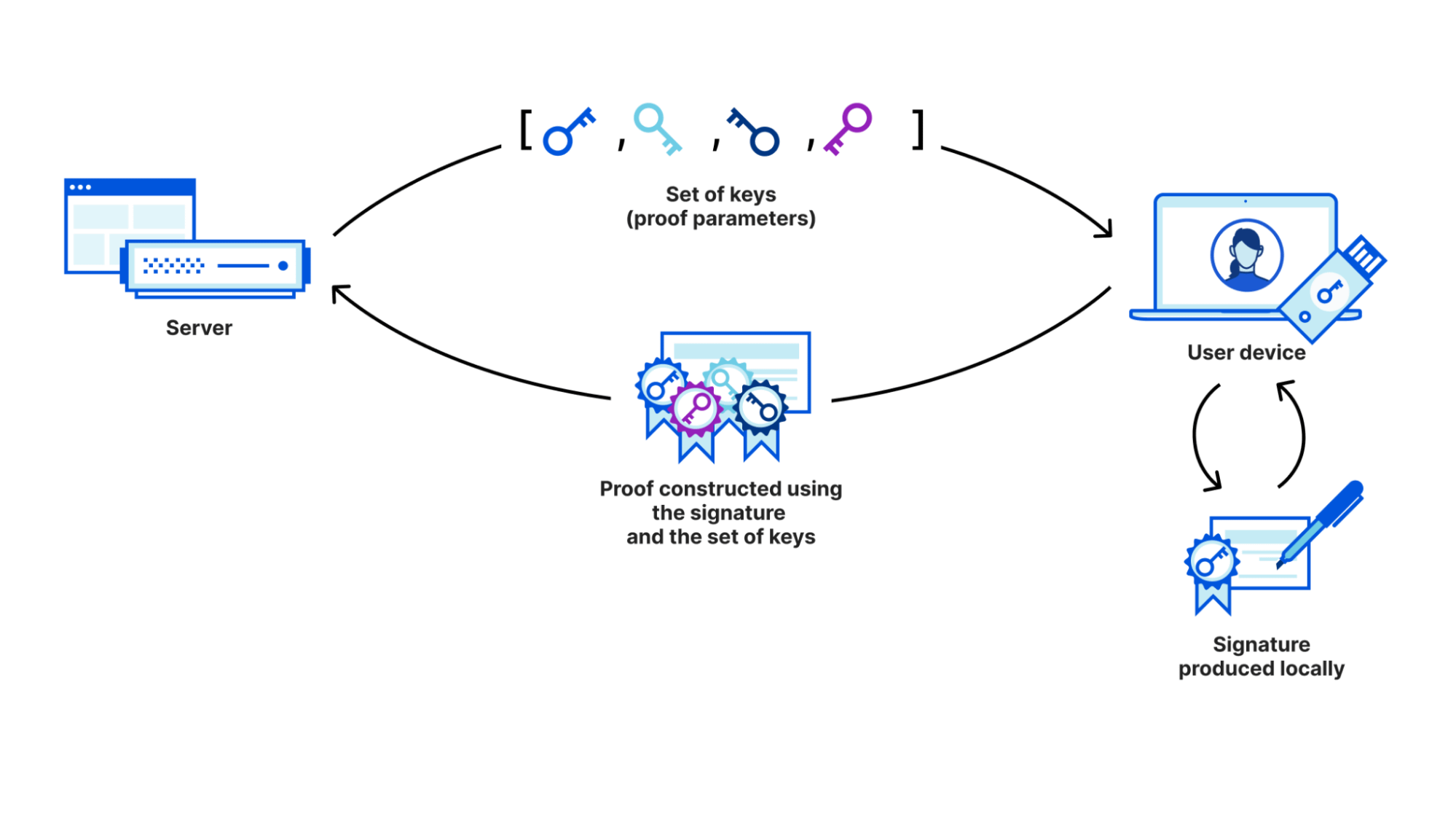
I also think people sometimes reduce Sign to “just another token with a narrative,” which, honestly, misses the point. The ecosystem is broader than the ticker. Binance Academy describes four core pieces here: $SIGN Protocol for attestations, TokenTable for token distributions like airdrops and vesting, EthSign for on-chain agreements, and SignPass for identity registration and verification. When I look at that stack together, I don’t just see a coin trying to attach itself to a trend. I see a project trying to become middleware for trust, and middleware tends to matter a lot more than it gets credit for during hype cycles.
The market data is what made me slow down and look twice. As of March 24, 2026, Sign was trading around $0.0515, with a market cap near $84.5 million and 24-hour volume around $50 million; the reported 24-hour range was roughly $0.0496 to $0.0563. For a token at that size, that’s real activity, not dead-book noise. And whether you’re bullish or not, high volume relative to market cap usually tells you one thing: this asset is being actively debated in real time.
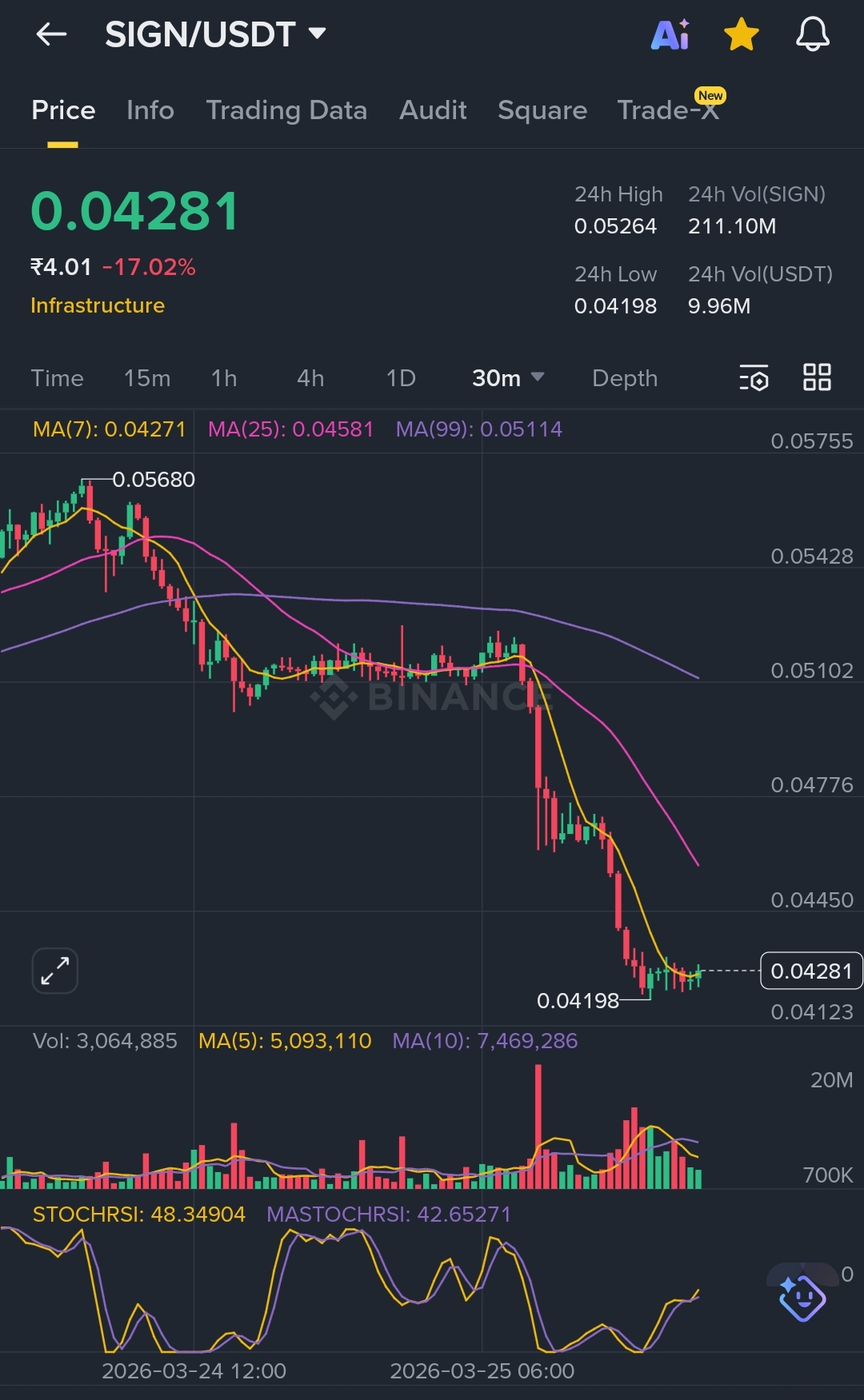
Token structure matters too, maybe more than people want to admit. Binance Academy says total supply is 10 billion SIGN, with an initial circulating supply of 1.2 billion, or 12%, and the token is positioned for fees, governance, staking incentives, and community rewards. I like that the utility case is at least clearly stated. But to be fair, that supply profile also means you can’t ignore unlocks, future emissions, and whether actual protocol usage grows fast enough to justify the market’s expectations. Infra projects don’t get a free pass just because the thesis sounds sophisticated.
My working thesis is pretty simple: Sign becomes genuinely important if verifiable credentials, token distribution tooling, and privacy-preserving proof systems become everyday plumbing for Web3 instead of niche features. If that happens, Sign is sitting in a useful spot because it’s not trying to solve only one narrow workflow. It’s trying to connect identity, agreements, attestations, and distribution into the same trust layer. That’s the kind of design I usually take more seriously than a single-feature product, because real adoption often comes from products that reduce friction across several workflows at once.
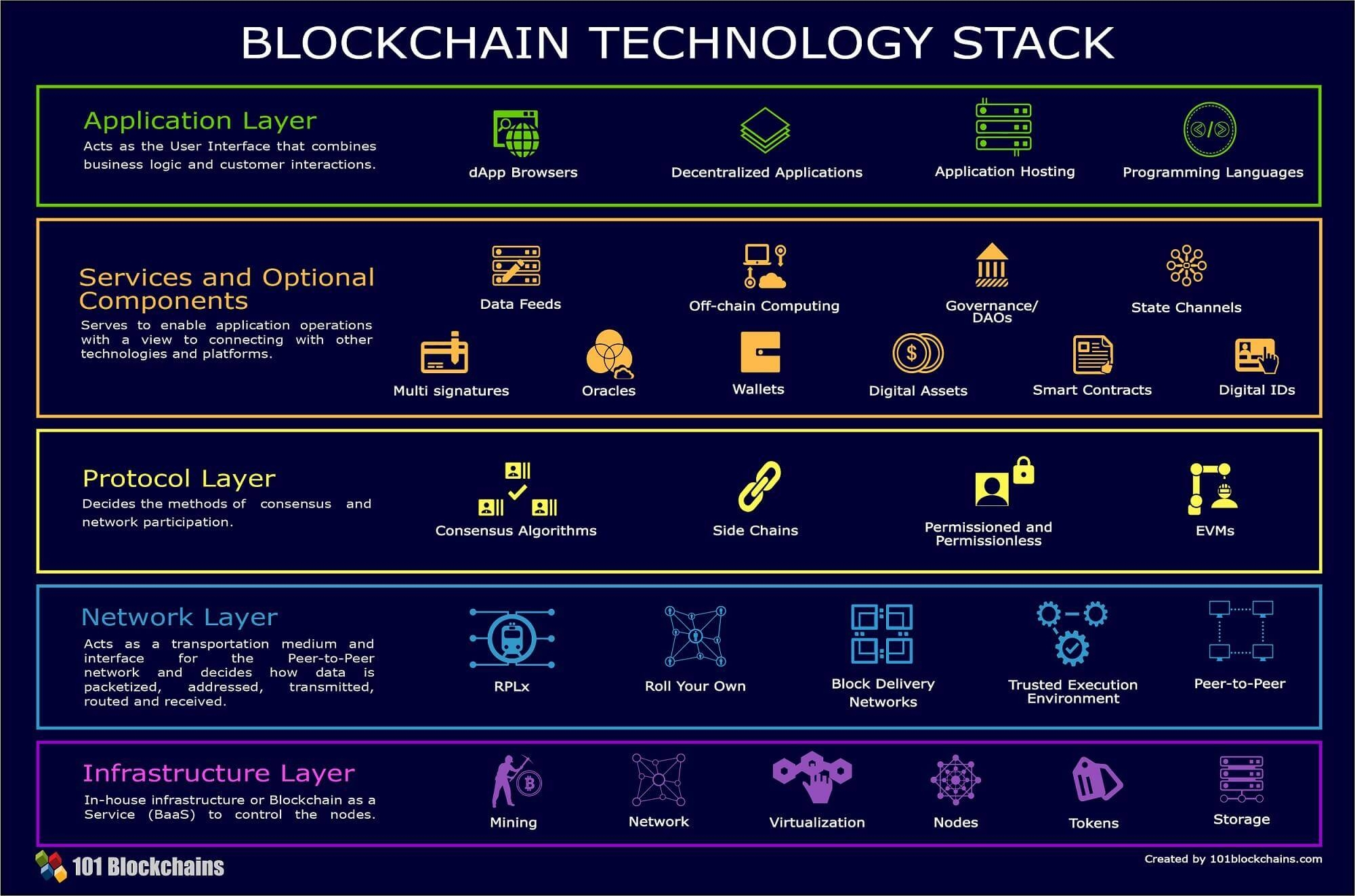
But I’m not blindly bullish here. The risk side is real. Adoption can lag even when the architecture makes sense, institutions move slower than crypto traders want, and “digital sovereignty” is one of those narratives that sounds powerful long before revenue or durable usage fully catches up. Also, cross-chain infrastructure is hard by default. The more critical the trust layer becomes, the more scrutiny it gets—technical, legal, and political.
So why am I still watching Sign? Because I think the market is finally starting to separate flashy narratives from infrastructure that might still matter two years from now. What would invalidate my view is pretty clear: weak real-world usage, token activity driven mostly by campaign attention instead of product demand, or a supply overhang that consistently crushes momentum before adoption can prove itself. Until then, this is one of the cleaner “watch closely, size carefully” infra names on my radar.