
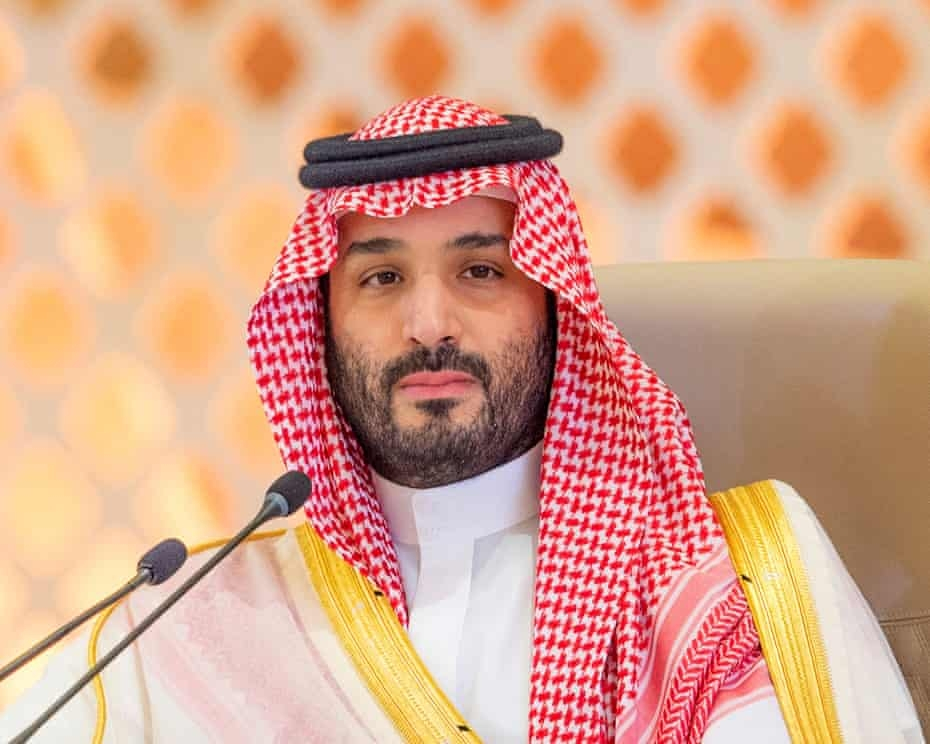
The geopolitical landscape of the Middle East has reached a fever pitch. After nearly four weeks of a grinding US-Israel war against Iran, the diplomatic "wait-and-see" approach from regional powers is beginning to fracture. While Riyadh has historically maintained a posture of cautious neutrality, recent intelligence confirms a significant shift: Saudi Arabia is no longer just watching from the sidelines; it is reportedly urging the United States to escalate its campaign to ensure a "conclusive" end to the Iranian threat.
A "Historic Opportunity" for Transformation
Crown Prince Mohammed bin Salman (MBS) reportedly views this conflict as more than just a military skirmish. It is being characterized as a "historic opportunity" to fundamentally remake the Middle East. For years, the regional architecture has been defined by a cold war between Riyadh and Tehran. Now, with US and Israeli forces actively engaged, the Saudi leadership appears to believe that a decisive military blow could permanently alter the balance of power.
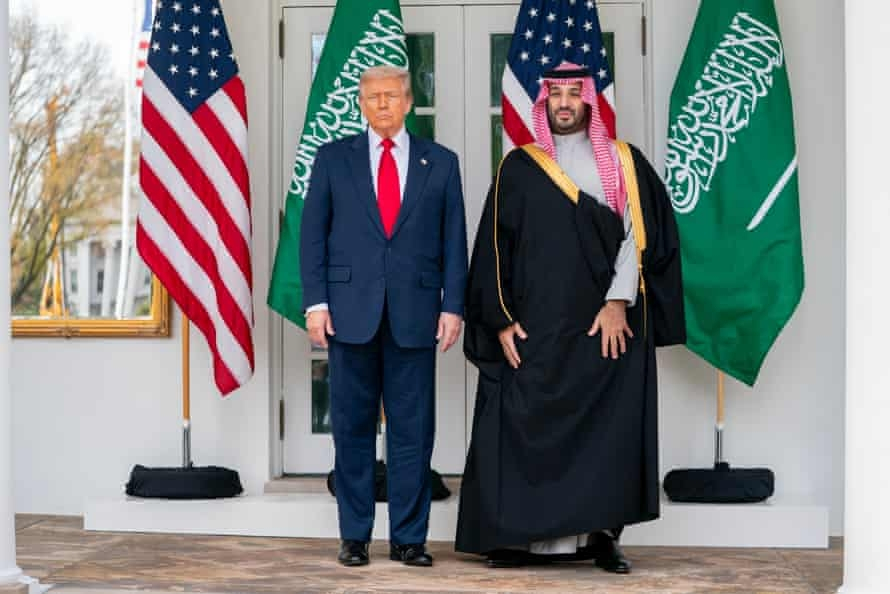
This sentiment was mirrored by President Donald Trump, who recently characterized the Crown Prince as a "warrior" fighting alongside the coalition. However, this partnership is not born of a simple desire for war, but rather a cold, calculated realization that a "wounded lion" is often more dangerous than a healthy one.
The Vulnerability of the Red Sea Lifeline
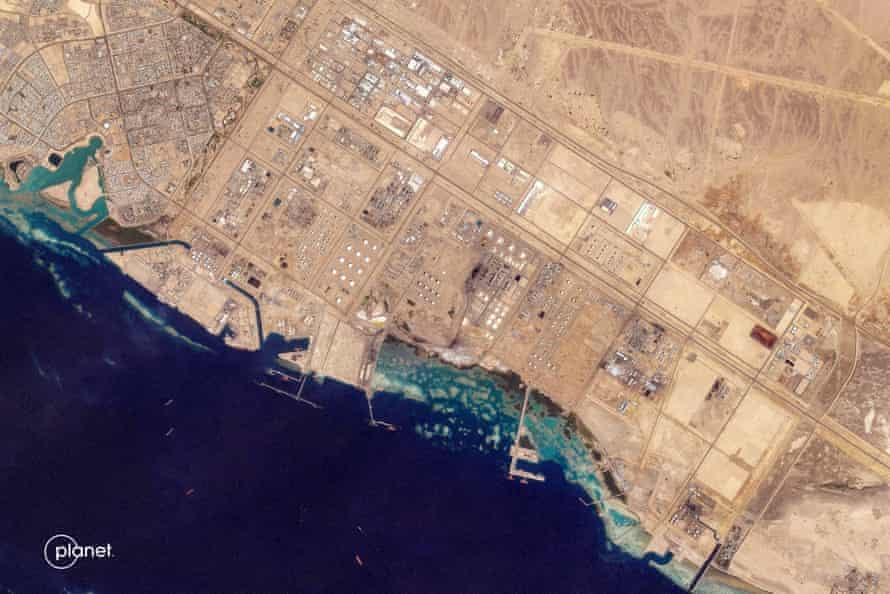
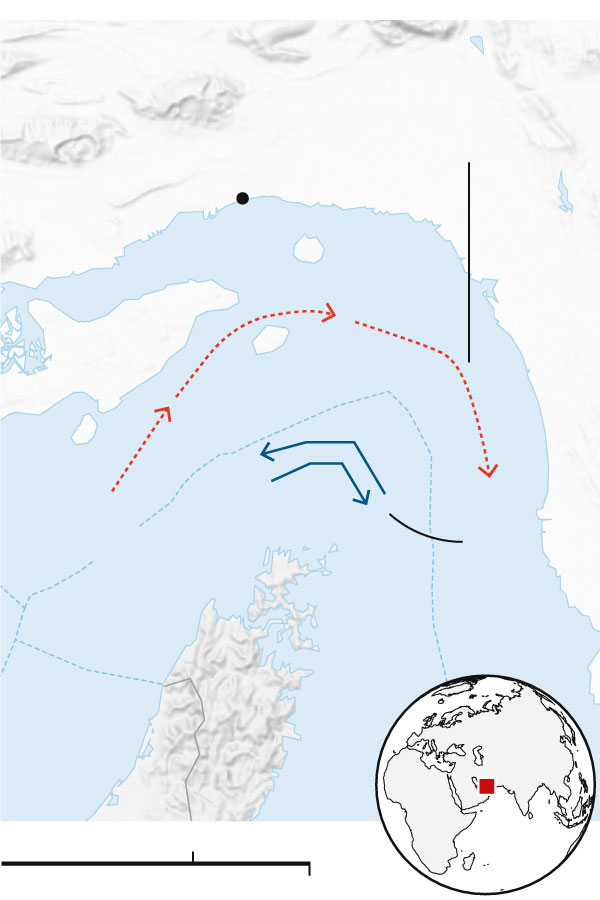
One of the most critical drivers of this shifting Saudi stance is the direct threat to its economic infrastructure. While Saudi Arabia has been less vulnerable than its neighbors to the blockade of the Strait of Hormuz—thanks to its massive pipeline system extending to the Red Sea—that security has proven to be an illusion.
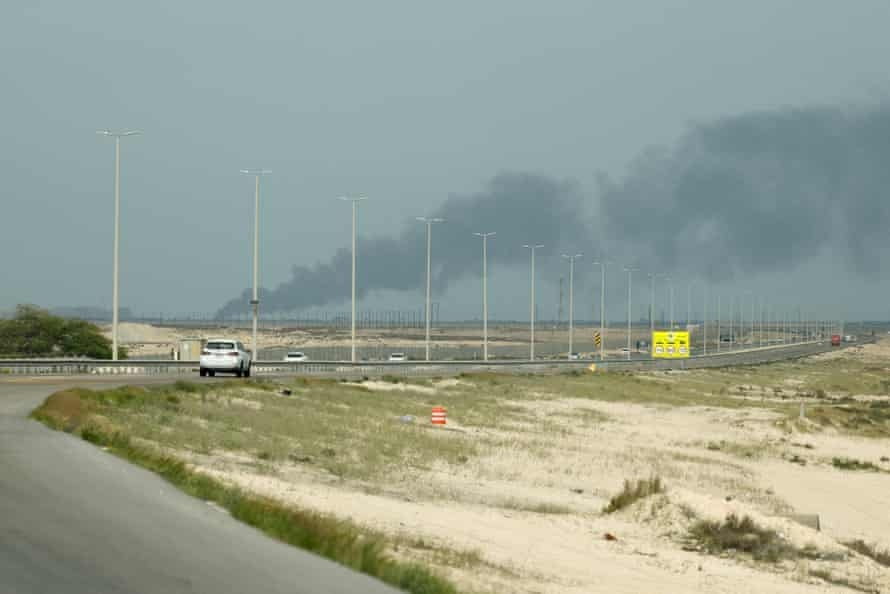
The Yanbu Strike: Last week's drone strike on the Yanbu oil refinery sent a clear message from Tehran: the Red Sea is no longer a safe haven.
The Houthi Factor: The potential for Iran’s Houthi allies in Yemen to join the fray with their own missile arsenal adds another layer of existential risk to Saudi assets.
The Economic Crossroads: If the "lifeline" pipelines are severed, the Kingdom’s ability to export oil—the bedrock of its Vision 2030 ambitions—evaporates.
The "Wounded Lion" Paradox
The prevailing logic in Riyadh, as noted by several regional analysts, is that a partially degraded Iran poses a greater risk to Saudi stability than a total military defeat of the regime. If the war ends prematurely, Iran remains an "unpredictable and more dangerous" actor, likely to lash out through proxies and asymmetric warfare to avenge its losses.
As Saudi exile commentator Khalid Aljabri aptly put it: "The policy was don’t start the war, but if you start it, finish the job." This "all-or-nothing" approach signals that the Kingdom may be reaching a threshold where direct military involvement—or at least active coalition support—is the only way to ensure their long-term security.
The Collapse of Detente
This current escalation effectively marks the end of the fragile 2023 detente brokered by China. While the Saudi-Iran normalization was intended to prevent exactly this type of conflict, it appears that Riyadh has "lost the bet" on Iran’s restraint.
As the UAE and other Gulf neighbors call for a "conclusive outcome" that addresses the full range of Iranian threats, Saudi Arabia faces a pivotal choice. Does it continue to recalibrate and prepare for a scenario where escalation is deliberate and decisive, or does it attempt one last-ditch diplomatic effort through mediators like Pakistan?
The coming weeks will determine if this is indeed the "remaking" of the Middle East, or if the region is simply being drawn deeper into a cycle of regression that endangers the global energy supply and regional stability alike.
#Geopolitics2026 #MiddleEastConflict #EnergySecurity #SaudiArabia #GlobalSecurity


