
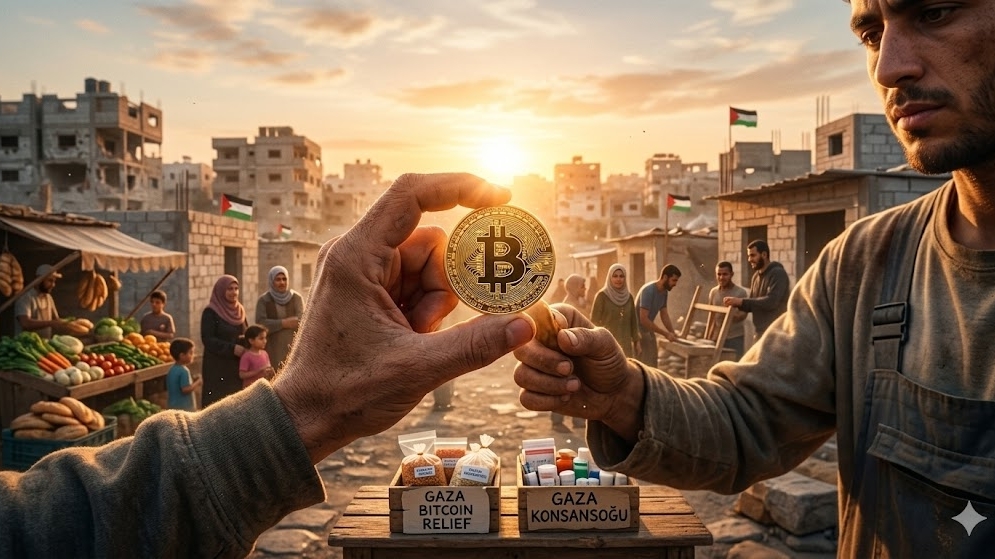
Under severe financial restrictions and limited access to the global banking system, many people in Gaza face significant challenges in receiving payments and working with international clients.
In this context, cryptocurrencies such as Bitcoin and stablecoins (USDT) have emerged as an alternative financial tool, enabling peer-to-peer money transfers without relying on traditional banks.
For freelancers, students, and small business owners, crypto has become a practical solution to receive income from global platforms and remote work opportunities.
However, it is not a complete solution. Challenges remain, including price volatility, difficulties in cash conversion, and limited infrastructure and internet access.
Still, many view cryptocurrencies as a “digital window of hope,” connecting people in crisis regions to the global economy and offering a form of financial independence.
#Hashtags
#Bitcoin #cryptocurrency #Gaza #blockchain #Stablecoins #Web3 #DigitalEconomy #FinancialInclusion