
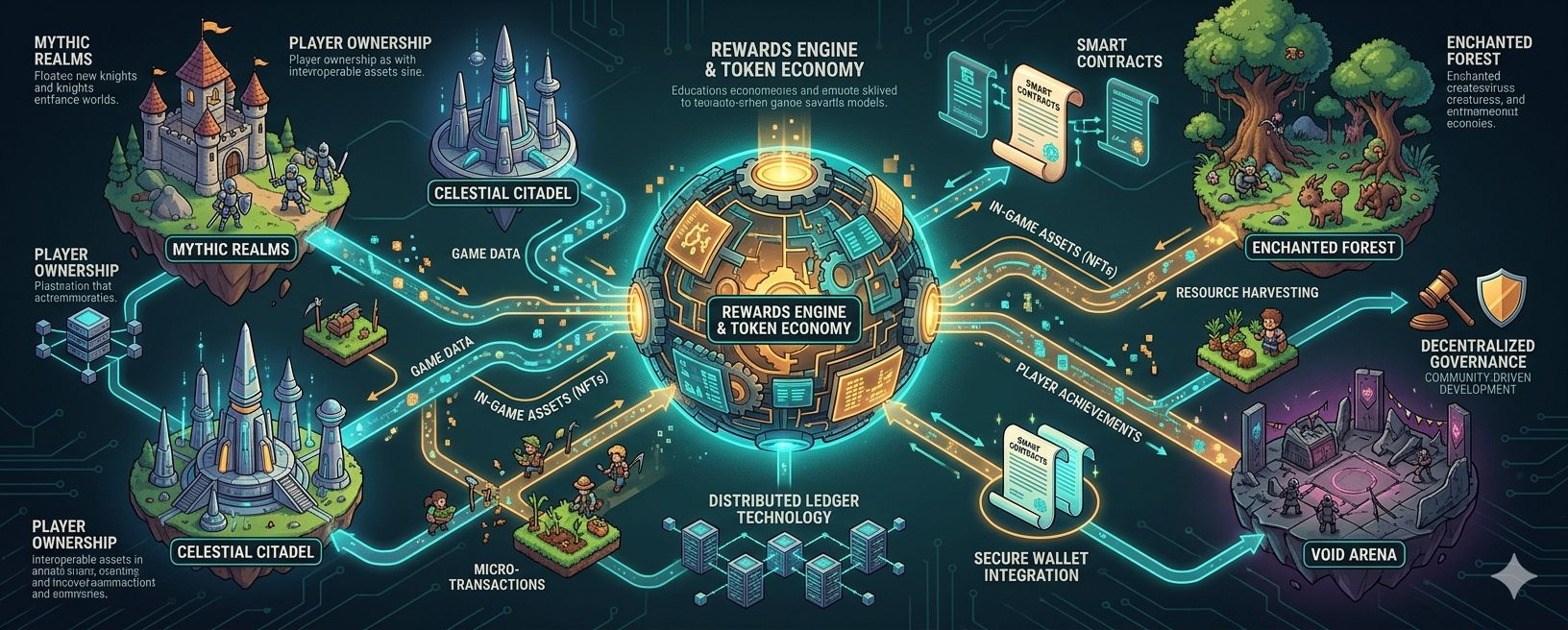

i spent yesterday thinking about why Pixels feels different when i read it as infrastructure instead of as a game......
that shift matters more than it sounds. a lot of projects say they want an ecosystem, but what they really have is one product wearing a bigger story. here, the more interesting idea is narrower and more mechanical. the team seems to be taking the reward systems, the operational lessons, and the economic scars from running Pixels at scale, then trying to turn that into a shared engine other games can use. not a new skin. an actual layer.
thats the part i keep coming back to.
the clean version of the story is easy enough to repeat. Pixels became large, learned hard lessons, and now wants to open the system outward. but what makes it worth looking at is the underlying change in direction. instead of treating rewards as something attached to one closed game loop, the design starts treating them like infrastructure for growth, retention, and user movement across a wider network of games. that is a much bigger claim than “our game has rewards.” it means the real product may no longer be the world itself. it may be the operating logic behind the world.
i dont think that distinction is small
when i read through the material, what stands out is that the argument is not just about scale. its about reuse. if a system already has the tooling to run reward campaigns, detect low quality behavior, and support repeated player 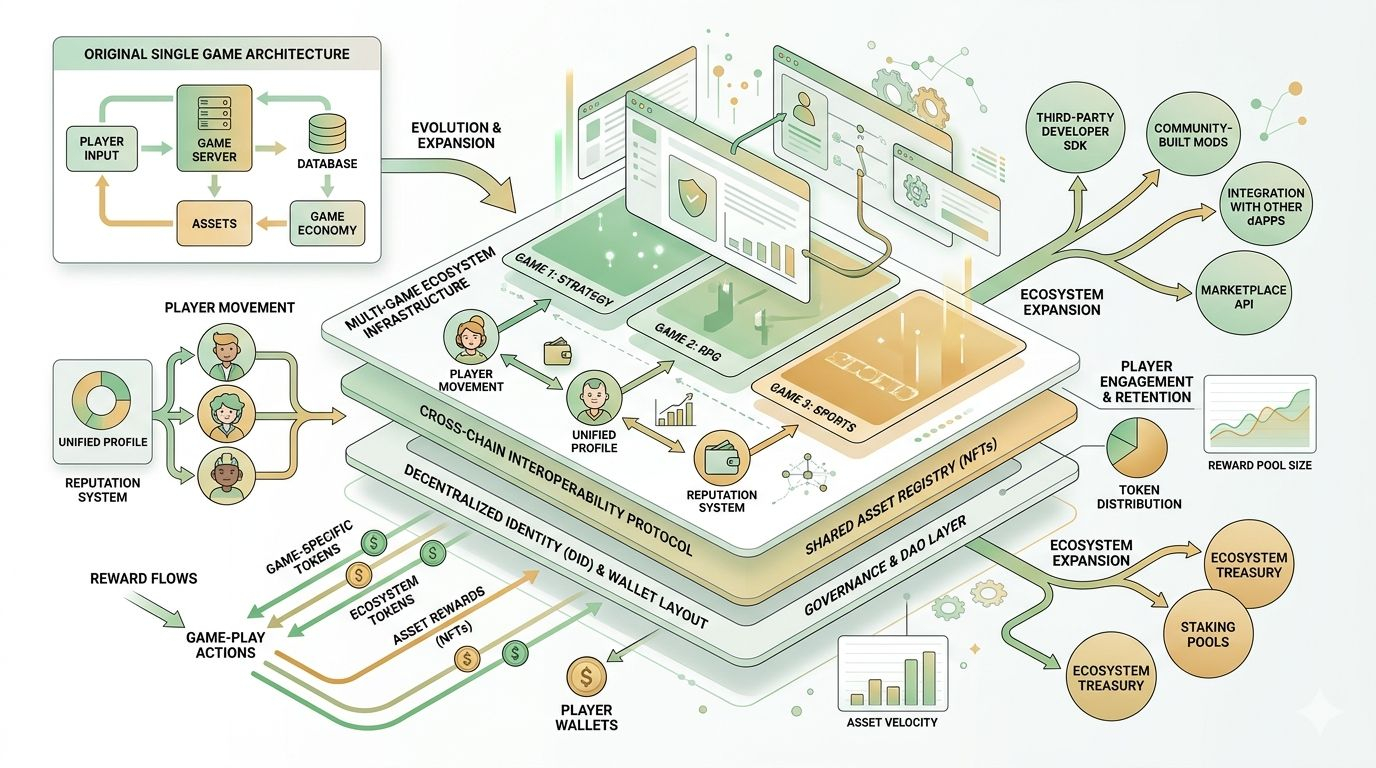 actions across live environments, then opening that system to more games changes the role of the whole stack. suddenly the value is not trapped inside one title’s daily activity. it starts to come from whether the same reward rails and live operations logic can work across different player loops without breaking.
and to be fair, i think thats one of the stronger things here. it doesnt read like a blank-sheet fantasy. it reads like something pulled out of production after enough things went wrong to force a harder design. i trust that more than i trust perfect language.
still, this is where the real tension starts.
the moment a project moves from “one game” to “shared infrastructure,” the standard changes. inside one game, weak spots can be hidden by familiarity, community patience, or just the momentum of habit. across multiple games, those weak spots get exposed fast. if the engine is supposed to support a broader ecosystem, then the surrounding games cant just exist. they need to create behavior that is actually worth routing rewards through. otherwise the system becomes a distribution layer without enough underlying quality to justify its own expansion.
thats my hesitation.
shared infrastructure sounds efficient. sometimes too efficient. it can make growth look modular before the actual player experience is durable enough to support that modularity. and once a token starts carrying a broader ecosystem role, the pressure rises. now it is not only connected to one loop, one community, or one habit. now it is being asked to sit inside a wider network of outcomes. that can be powerful, but it also means weak edges in one part of the system can leak into the others.
i dont read that as failure. i read it as the real test.
because if this works, the interesting part wont be that Pixels got bigger. it will be that the team found a way to turn painful operating history into a reusable economic layer. that is harder. and honestly more valuable. but if it doesnt work, the reason probably wont be that the idea was too ambitious on paper. it will be that ecosystem language moved faster than ecosystem quality.
i think thats where my head lands this morning. i can see the logic. i can also see the risk. a production-built reward layer is a serious thing if the surrounding games are strong enough to make the layer worth using. if they arent, then “infrastructure” becomes a very polished word for dependency expansion.
is this becoming a real multi-game operating layer, or just a wider frame around one system that hasnt fully proved it can travel yet??