
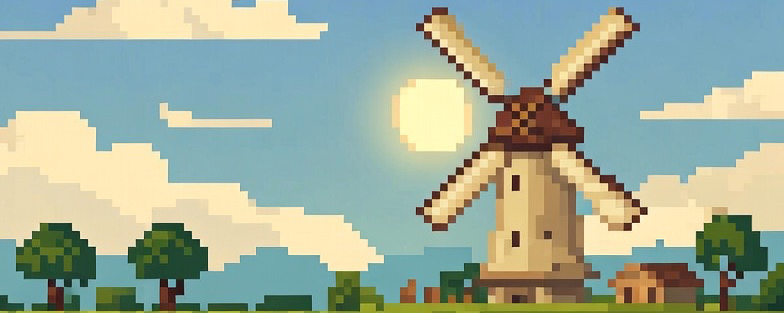
When I first heard about another play to earn farming game in the Web3 space my initial reaction was a hard eye roll. We have all seen the cycle before flashy promises thin gameplay and an economy that collapses the moment the hype dies down. So when Pixels started gaining serious traction I was skeptical. Then I actually played it. And I got it.
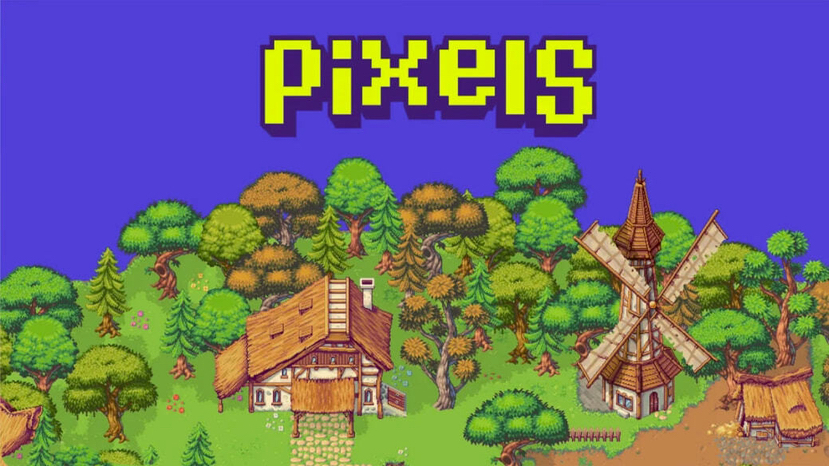
Pixels is not trying to be something it is not. It is a charming deeply engaging pixel art farming and life simulation game that happens to be built on blockchain technology. And that distinction matters more than people realize. The game comes first. The Web3 layer enhances it rather than defining it. That alone puts Pixels in a category above most of what the blockchain gaming space has to offer.
The Moment It Clicked for Me
Picture this. It is late in the evening. I told myself I would log in for twenty minutes check on my crops maybe complete one quick quest. An hour and a half later I am still deep in the game crafting tools exploring a new zone and chatting with guild members about the best way to optimize a farming rotation.
That is the Pixels effect. The gameplay loop pulls you in gently and then refuses to let go. You plant seeds water your crops harvest them craft goods from the resources you gather and then trade or use those goods to push further into the game. Every action feels connected to something larger. There is always a next step always a reason to stay just a little bit longer.
For a play to earn game to work long term it needs to be fun first. Pixels gets that. The earning is a natural result of playing well not a desperate incentive to mask boring mechanics. That is a bigger deal than it sounds.
The Land System is Genuinely Clever
Land ownership in Pixels is not just a status symbol or a speculative asset sitting in your wallet collecting digital dust. It is a functional living part of the game world.
When you own a plot of land you can develop it customize it and turn it into something that other players actually want to visit and work on. Landowners can invite other players to farm on their property creating a kind of in game landlord economy that mirrors real world dynamics in a surprisingly interesting way. A well developed land plot becomes a hub of activity. Players come to work trade and explore and that foot traffic benefits everyone involved.
What is smart about this system is that you do not need land to have a great experience. A player with no land ownership can still thrive by working on other players plots completing quests gathering resources and participating in the broader economy. The game creates natural interdependence between landowners and non landowners without making either group feel like they drew the short straw.
The PIXEL Token Actually Makes Sense
Here is where a lot of Web3 games fall apart. The token economy feels bolted on designed more for speculation than for actual gameplay utility. Pixels took a different approach.
The PIXEL token is the lifeblood of the in game economy. You earn it by doing things that matter in the game farming crafting completing quests contributing to the world. You spend it on things that help you progress. The cycle is clean and logical. The token has a purpose beyond just being something to flip on an exchange.
Because earning requires genuine participation the economy rewards the players who are actually invested in the game. That is how it should work. Your in game assets whether crops crafted items or land are real on chain property. You own them. You earned them. That feeling of genuine ownership over what you have built is something traditional games simply cannot offer and Pixels uses it well.
Guilds Turn a Solo Grind into Something Social
I want to talk about guilds for a moment because I think they are underrated in conversations about what makes Pixels work.
Farming games by nature can feel solitary. You are tending your plot doing your thing and it is peaceful but sometimes lonely. Pixels solves this through its guild system and it solves it well. Joining a guild transforms the experience. Suddenly you are coordinating farming strategies with other players sharing resources tackling guild challenges together and genuinely celebrating each other’s progress.
The community that has grown around Pixels reflects the quality of the game itself. It is helpful enthusiastic and full of players who are genuinely invested in the world they are building together. Seasonal events community challenges and regular content updates give everyone new reasons to log back in and new things to talk about. When a game has a community like that it means something.
Low Barrier to Entry High Ceiling for Growth
Here is my honest opinion the accessibility of Pixels is one of its most underappreciated qualities. You do not need to drop a significant amount of money to get started. New players can jump in start farming immediately participate in the economy and build toward something meaningful without feeling like they are priced out from the beginning.
That said the depth is absolutely there for players who want to go deeper. Advanced crafting land development guild leadership token governance there are layers to this game that reward the time and effort you put in. It respects casual players and dedicated ones equally which is genuinely rare.
The Bottom Line
Pixels is proof that play to earn done right looks a lot like just a really good game. It does not need to oversell itself with promises of passive income or revolutionary tokenomics. It just needs you to plant a few seeds spend an evening in its world and let the experience speak for itself.
Trust me once you are in those twenty minute check ins have a way of turning into something much longer. And you will not mind one bit.
