
$ETH Ethereum adalah cryptocurrency terbesar kedua di dunia, tetapi menyebutnya hanya sebagai mata uang digital tidak benar-benar memberikan keadilan. Diluncurkan pada tahun 2015 oleh Vitalik Buterin dan timnya, Ethereum dirancang sebagai platform terdesentralisasi yang memungkinkan pengembang untuk membangun dan menjalankan aplikasi tanpa bergantung pada otoritas pusat. Inilah yang membedakannya secara fundamental dari Bitcoin.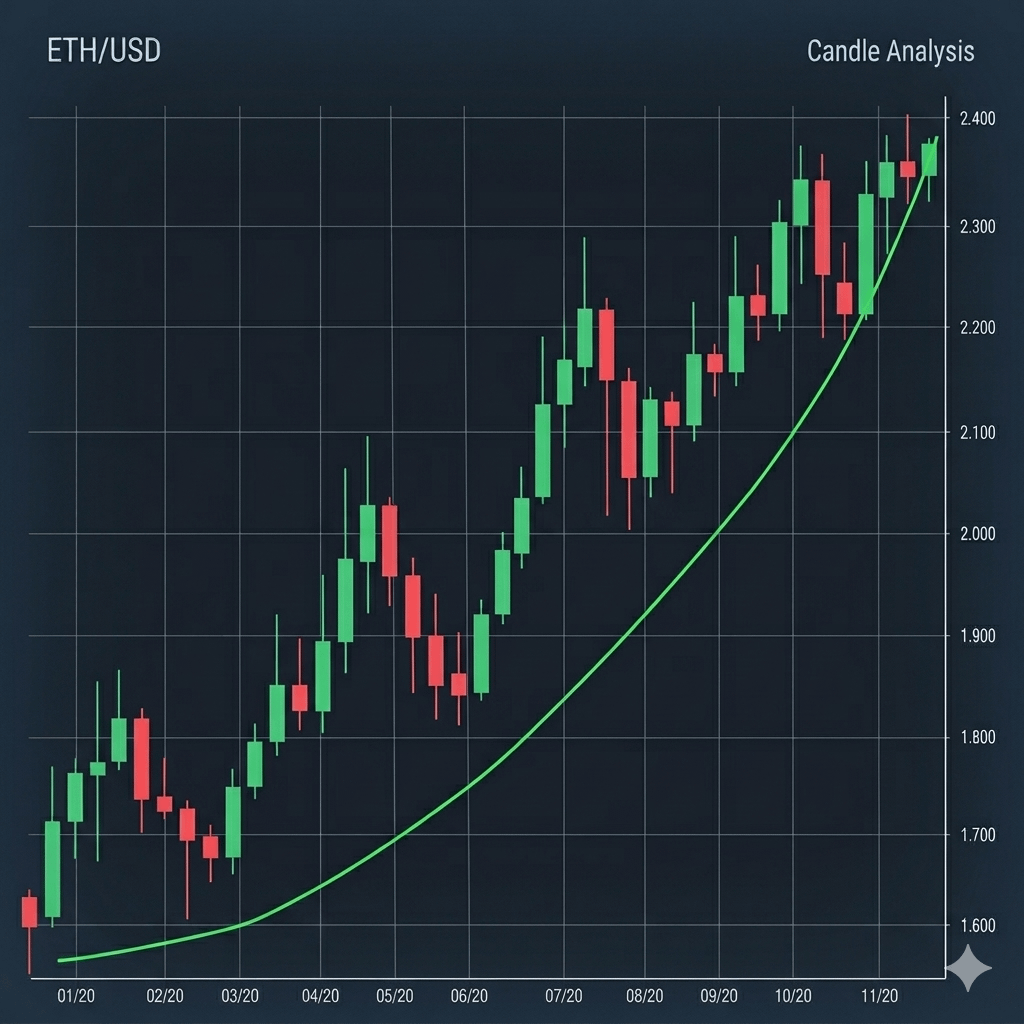

Di jantung Ethereum terdapat kontrak pintar—program yang dieksekusi sendiri yang berjalan persis seperti yang diprogram tanpa waktu henti atau gangguan. Inovasi ini telah membuka pintu untuk seluruh ekosistem seperti keuangan terdesentralisasi (DeFi), NFT, dan aplikasi Web3. Nyatanya, sebagian besar inovasi berbasis blockchain modern ini dibangun di atas Ethereum, yang menunjukkan betapa pentingnya dalam ruang crypto.
Dari perspektif pasar, Ethereum telah menunjukkan tanda-tanda kekuatan baru-baru ini. Salah satu tonggak terbesar dalam sejarahnya adalah “The Merge,” di mana Ethereum beralih dari sistem Proof of Work (PoW) ke Proof of Stake (PoS). Perubahan ini secara signifikan mengurangi konsumsi energi dan meningkatkan efisiensi serta keamanan jaringan. Ini juga membuat Ethereum lebih menarik bagi investor institusional yang semakin khawatir tentang dampak lingkungan.
Melihat sisi teknis, Ethereum tampaknya diperdagangkan di atas level support kunci, yang umumnya merupakan indikator bullish. Ketika aset bertahan kuat di atas zona support, sering kali menunjukkan bahwa pembeli mengendalikan pasar. Indikator seperti RSI (Relative Strength Index) dan MACD juga menunjukkan bahwa momentum pembelian semakin meningkat. Jika tren ini berlanjut, Ethereum berpotensi melihat pergerakan naik lebih lanjut dalam jangka pendek hingga menengah.
Di sisi fundamental, Ethereum tetap menjadi salah satu proyek terkuat di pasar crypto. Jaringannya banyak digunakan oleh para pengembang, startup, dan bahkan organisasi besar. Pembaruan terus-menerus yang bertujuan untuk meningkatkan skalabilitas dan mengurangi biaya gas diharapkan akan membuat platform ini semakin efisien. Seiring dengan meningkatnya adopsi, maka proposisi nilai jangka panjang Ethereum juga meningkat.
Namun, penting untuk tetap realistis—Ethereum tidak tanpa tantangannya. Biaya transaksi yang tinggi telah menjadi masalah yang berkepanjangan, terutama selama periode penggunaan jaringan yang berat. Selain itu, platform blockchain yang lebih baru seperti Solana dan Cardano menawarkan alternatif yang lebih cepat dan lebih murah, meningkatkan persaingan di ruang ini. Volatilitas pasar adalah faktor lain yang tidak bisa diabaikan, karena harga crypto dapat berubah dengan cepat berdasarkan tren global dan sentimen investor.
Sebagai kesimpulan, Ethereum menonjol sebagai platform blockchain yang kuat dan inovatif dengan fundamental yang kuat dan adopsi yang terus berkembang. Peralihannya ke Proof of Stake, pengembangan yang berkelanjutan, dan posisi dominannya di DeFi dan Web3 menjadikannya proyek jangka panjang yang solid. Meskipun pergerakan harga jangka pendek bisa tidak dapat diprediksi, prospek keseluruhan untuk Ethereum tetap positif. Seperti biasa, siapa pun yang mempertimbangkan untuk berinvestasi harus melakukan riset mereka sendiri dan tetap menyadari risiko yang terlibat.#AltcoinRecoverySignals? #ETHETFsApproved #BitcoinPriceTrends #CZ’sBinanceSquareAMA #Kalshi’sDisputewithNevada