
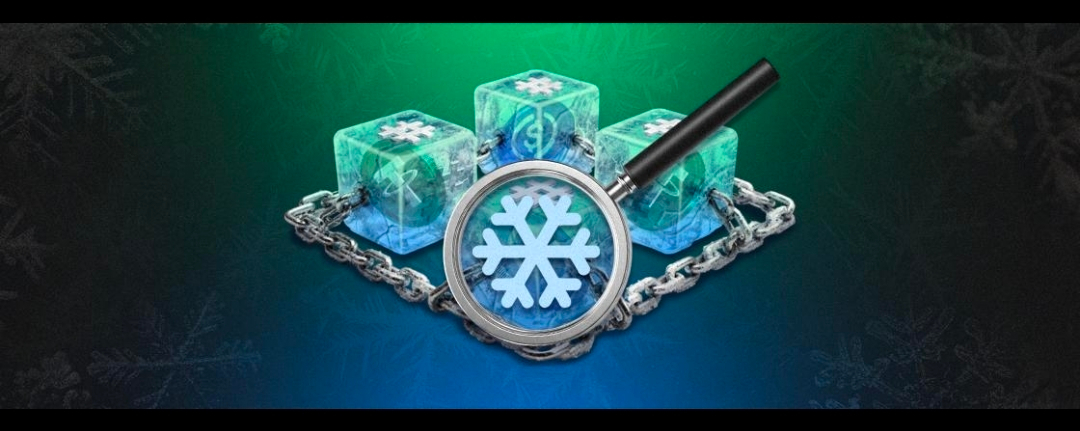
The decentralized finance (DeFi) space has once again been shaken by a major security incident—this time involving KelpDAO. The so-called “KelpDAO Exploit Freeze” has raised serious concerns about smart contract vulnerabilities, user fund safety, and how quickly protocols can respond under pressure.
KelpDAO is a DeFi protocol designed to optimize yield strategies, often interacting with liquid staking tokens and restaking ecosystems. It aims to simplify complex earning strategies for users while maximizing returns through automation and integrations with other blockchain platforms. However, like many DeFi platforms, it relies heavily on smart contracts—self-executing code that can become a point of failure if not properly secured.
The exploit reportedly stemmed from a vulnerability in KelpDAO’s smart contract logic. Attackers were able to manipulate certain contract functions, allowing them to either drain funds or gain unauthorized access to assets within the protocol. While the exact technical details are still under investigation, early reports suggest a flaw in validation checks, improper handling of external contract calls, or possible oracle manipulation.
As soon as suspicious activity was detected, KelpDAO developers initiated an emergency freeze. This action temporarily halted withdrawals, deposits, and contract interactions to prevent further damage. While such freezes can be controversial—since they challenge the idea of full decentralization—they are often used as a last-resort defense mechanism during active exploits.
The freeze left many users unable to access their funds, creating uncertainty and concern. Questions quickly emerged about whether funds were permanently lost, how long the freeze would last, and whether compensation would be provided. The incident also affected trust in the protocol and highlighted broader risks within the DeFi ecosystem.
This situation underscores several key lessons: smart contract vulnerabilities remain a major risk, real-time monitoring is essential, and many decentralized systems still rely on centralized intervention in emergencies. For users, it reinforces the importance of understanding risks, diversifying investments, and staying informed.
Looking ahead, KelpDAO is expected to release a detailed report explaining the exploit, implement security fixes, and gradually restore operations. The way it handles transparency and user compensation will play a critical role in determining its future credibility.
The KelpDAO Exploit Freeze serves as a stark reminder that while DeFi offers innovation and opportunity, it also carries significant risks that cannot be ignored.