
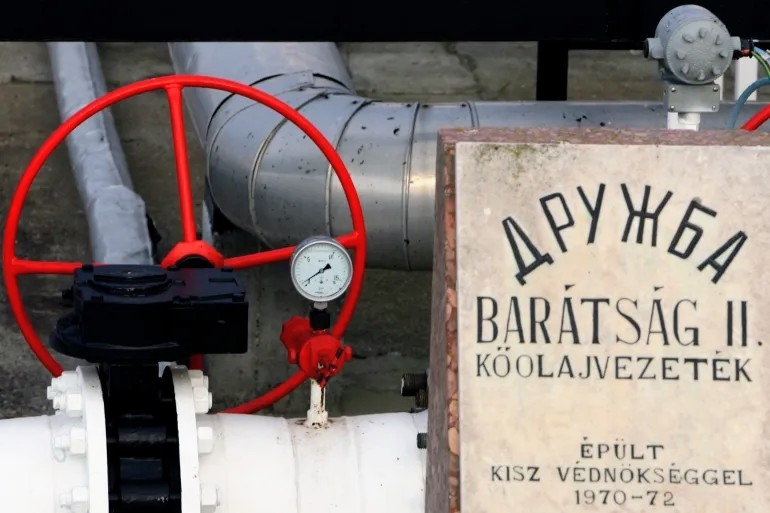
The European Union is moving closer to approving a €90 billion financial package for Ukraine after a prolonged political and logistical deadlock tied to energy supply disruptions. The breakthrough comes as Russian oil deliveries through the Druzhba pipeline have resumed, restoring flows to key European countries including Hungary and Slovakia.
The pipeline, which had been damaged earlier this year amid the ongoing conflict between Russia and Ukraine, plays a critical role in Europe’s energy infrastructure. Its reopening has enabled Hungary to lift its veto on the EU loan, clearing a major political obstacle. With all 27 EU member states now aligned, formal approval of the funding package is expected imminently.
This financial support is intended to stabilize Ukraine’s economy through 2026–2027, particularly as external backing from the United States shows signs of slowing. Ukrainian President Volodymyr Zelenskyy had earlier indicated that repairs were underway following damage caused by Russian attacks, signaling Kyiv’s commitment to maintaining energy transit routes despite ongoing hostilities.
The political landscape in Hungary has also played a role in shifting momentum. Following the electoral defeat of Viktor Orban, incoming leadership has indicated a more cooperative stance toward EU financial support for Ukraine. However, skepticism remains in the region, with Robert Fico cautioning that supply disruptions could recur, potentially complicating future agreements.
Alongside the loan package, the EU is preparing a new round of sanctions against Russia—its 20th since the start of the war in 2022—targeting key sectors such as energy, banking, and trade. These measures reflect the bloc’s continued effort to apply economic pressure while balancing internal energy security concerns.
Overall, the resumption of oil flows through the Druzhba pipeline has not only eased immediate supply concerns but also unlocked critical financial assistance for Ukraine. The development highlights the complex intersection of energy dependency, geopolitical strategy, and economic resilience in the ongoing conflict.
#UkraineCrisis #EuropeanUnion #EnergySecurity #Geopolitics #RussiaUkraineWar


