
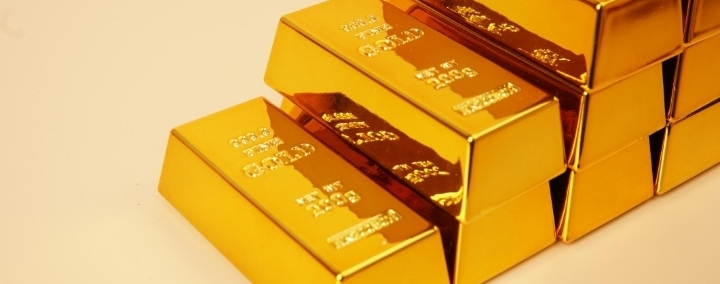
The gold market in April 2026 is experiencing high volatility, driven by a mix of geopolitical tensions, interest rate expectations, and strong institutional demand.
Gold prices are currently fluctuating around $4,600–$4,900 per ounce, after recently pulling back from record highs above $5,000 earlier this year. Despite short-term declines, analysts remain bullish on the long-term outlook.
wsj.com +1
🔑 Key Market Drivers
1. Geopolitical Tensions
Ongoing conflicts and uncertainty in the Middle East—especially involving the U.S. and Iran—continue to influence gold prices. These tensions increase demand for gold as a safe-haven asset, although temporary escalations can also strengthen the U.S. dollar and pressure prices.
2. Interest Rates & Inflation
Gold remains highly sensitive to global interest rates. Higher rates reduce gold’s appeal because it does not yield interest. However, persistent inflation and expectations of future rate cuts are supporting investor demand.
DailyForex
3. Strong Central Bank Demand
Central banks worldwide are continuing to accumulate gold reserves, driven by concerns over currency stability and rising global debt. This trend is a major factor supporting long-term price growth.
Reuters
4. Mixed Short-Term Trend
In the short term, gold has shown mixed performance, with small daily gains and losses depending on market sentiment, dollar strength, and energy prices.
The Economic Times +1
📈 Outlook for Traders
Overall, the gold market is currently in a consolidation phase, but the broader trend remains positive. Analysts forecast that gold could continue rising toward new highs in 2026 if:
Interest rates begin to fall
Geopolitical risks remain elevated
Demand from institutions and investors stays strong
📝 Conclusion
Gold trading in 2026 is defined by uncertainty and opportunity. While short-term price swings are expected, the long-term outlook remains bullish, making gold a key asset for traders seeking protection against inflation and global instability.