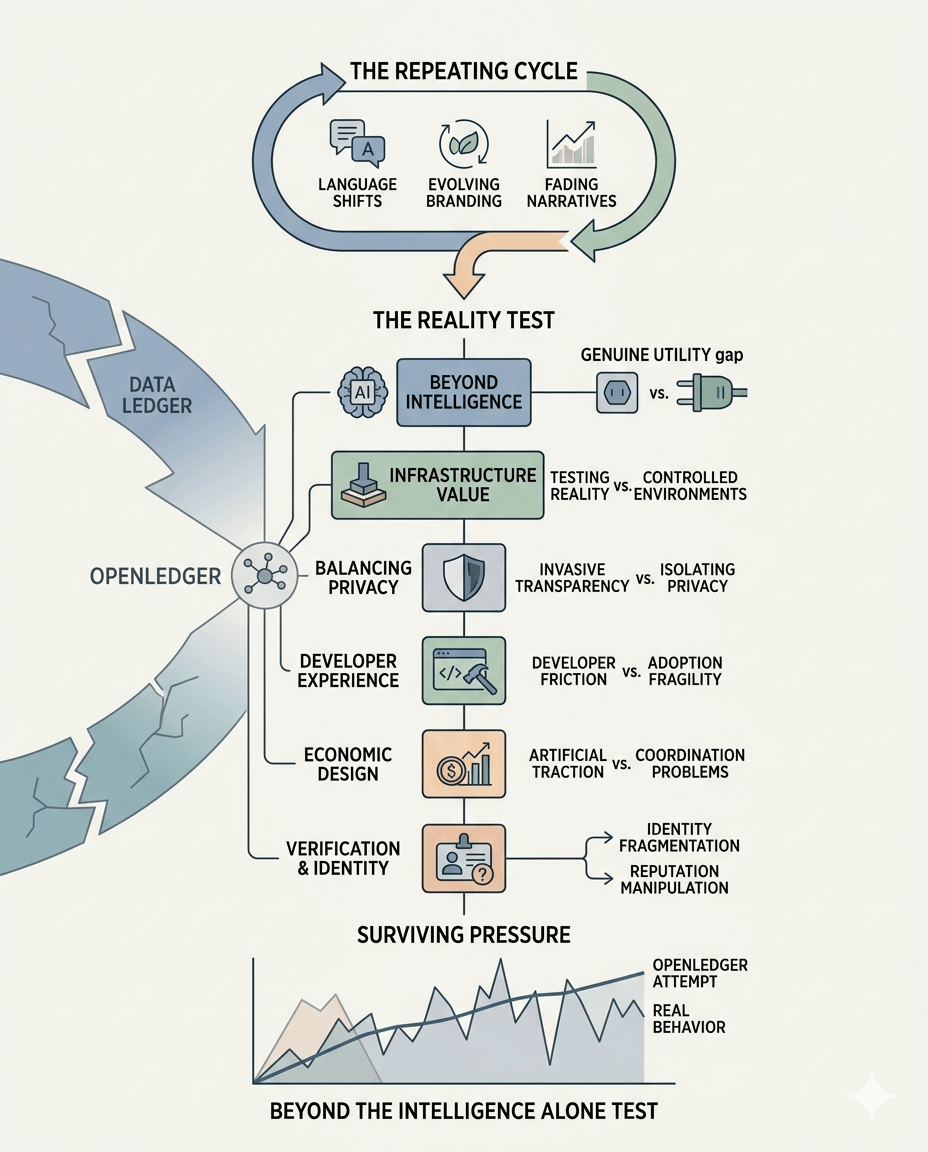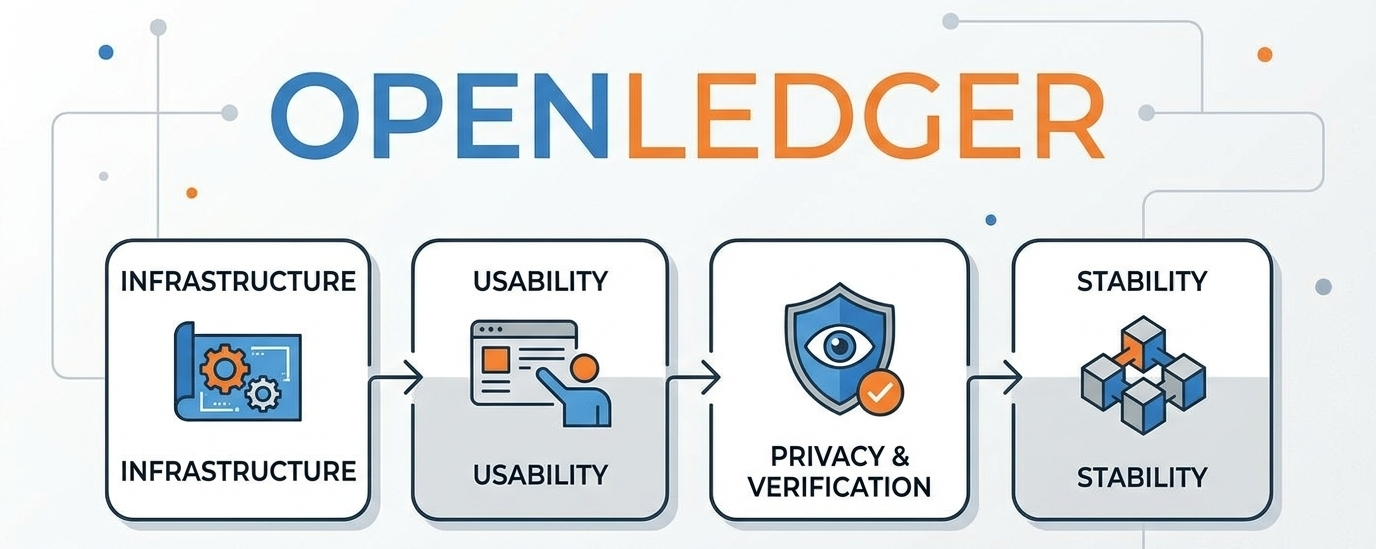
I keep noticing the same cycle repeating itself around OpenLedger. Every few months, the language changes, the branding changes, the narratives evolve, but underneath it all, the conversations still sound strangely familiar. Bigger infrastructure. Smarter systems. Faster models. More scale. OpenLedger sits inside that same environment, but lately I’ve been wondering whether the real issue was never intelligence itself. Maybe the bigger problem has always been what happens after intelligence is created. Because building intelligence and building something genuinely useful around it are completely different things, and I think OpenLedger accidentally exposes that gap more than most people realize.
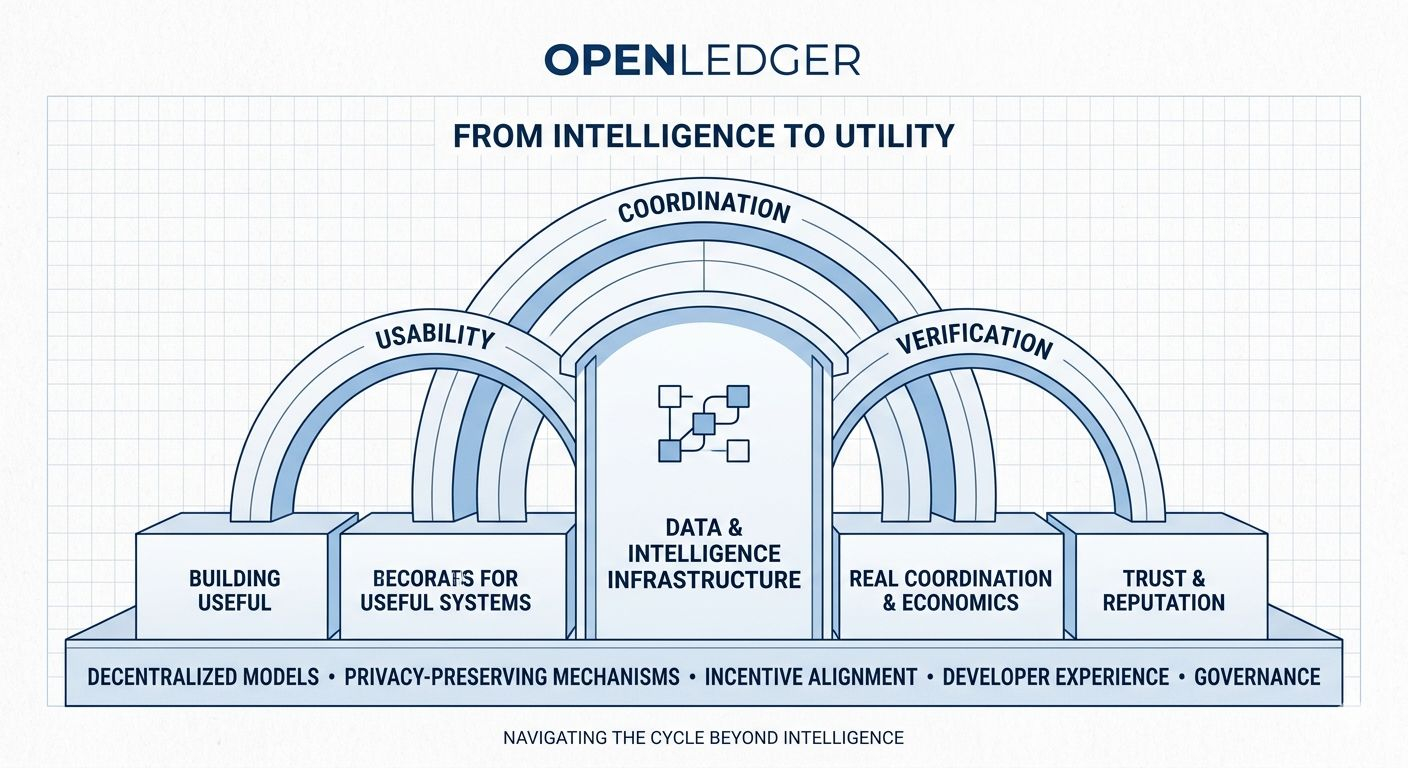
What wears me down is how quickly narratives lose meaning once everyone starts repeating them. I’ve watched too many cycles where every project suddenly claims to redefine trust, identity, ownership, privacy, or coordination, only for the actual experience to feel unfinished the moment people begin using it under real pressure. OpenLedger makes me think about that because the industry keeps acting like infrastructure automatically creates value, when most infrastructure never really gets tested beyond controlled environments and carefully managed storytelling. I’ve started paying more attention to where systems break instead of where they shine, because polished explanations rarely survive contact with real behavior.
Privacy is another thing I keep circling back to when I think about OpenLedger. Somehow we normalized excessive exposure online and started treating it like the cost of participation. At the same time, most “privacy-focused” systems swing so hard in the opposite direction that they become difficult to trust, difficult to verify, or simply too frustrating to use consistently. That tradeoff keeps appearing everywhere. Either transparency becomes invasive or privacy becomes isolating. Very few systems seem capable of balancing both without damaging usability somewhere in the process. OpenLedger makes me wonder whether that balance is even realistically achievable at scale, or whether every attempt eventually collapses into compromise.
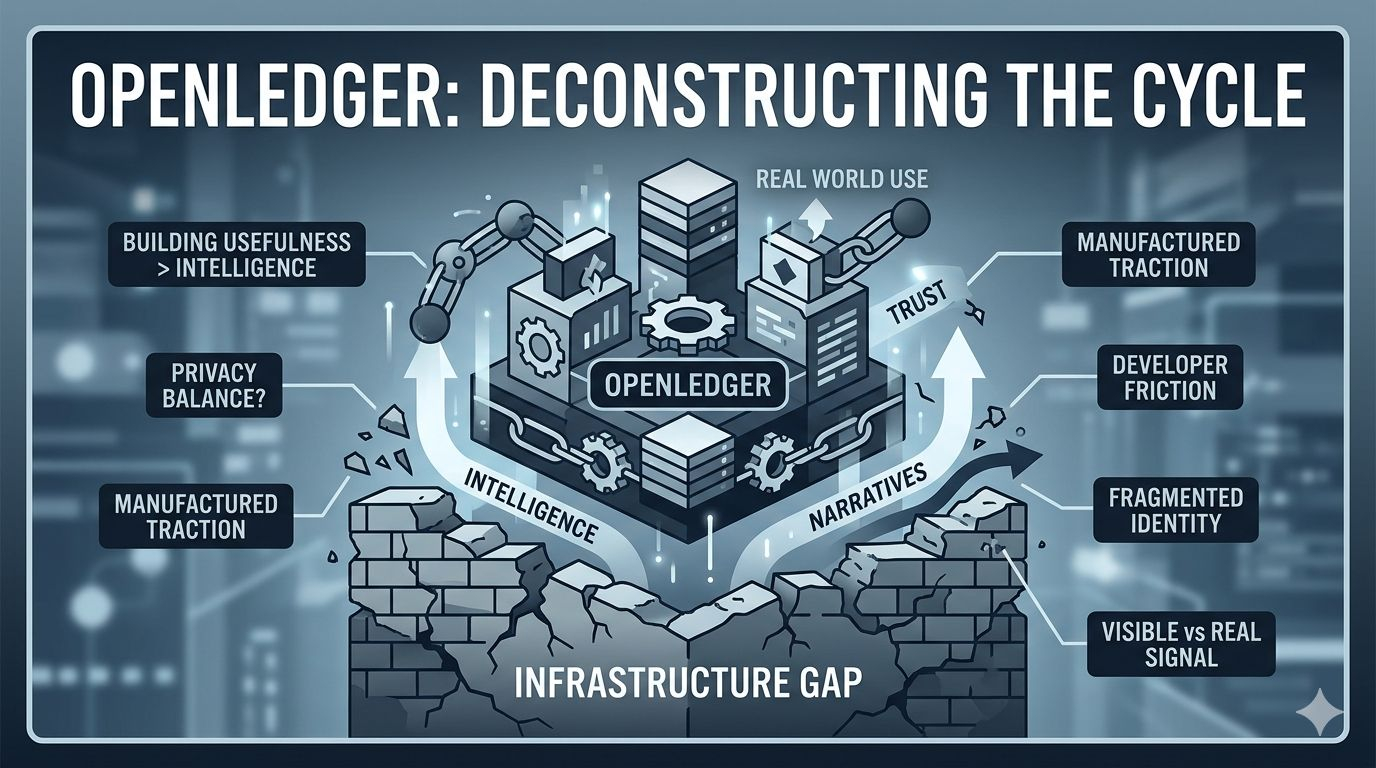
The part that frustrates me most is how often developer experience gets ignored while everyone focuses on vision. OpenLedger exists in a space where ambition is everywhere, yet adoption still feels strangely fragile across the industry. I don’t think most failures happen because ideas are too small. I think they fail because people underestimate friction. If building on a system feels exhausting, confusing, unstable, or dependent on constant interpretation, developers quietly leave long before the public notices. Then the narrative keeps moving anyway as if usage never mattered in the first place. That disconnect between ambition and actual participation has become impossible for me to ignore.
I also can’t stop noticing how forced most economic designs feel now, including in conversations surrounding OpenLedger. So many systems introduce tokens, incentives, or governance structures that feel disconnected from real behavior. Instead of solving coordination problems, they often create artificial activity designed to simulate traction. The market rewards visibility so aggressively that projects learn how to manufacture attention before they learn how to survive reality. After watching this happen repeatedly, I’ve become skeptical of anything that looks too polished too early. Strong narratives used to make me curious. Now they mostly make me cautious.
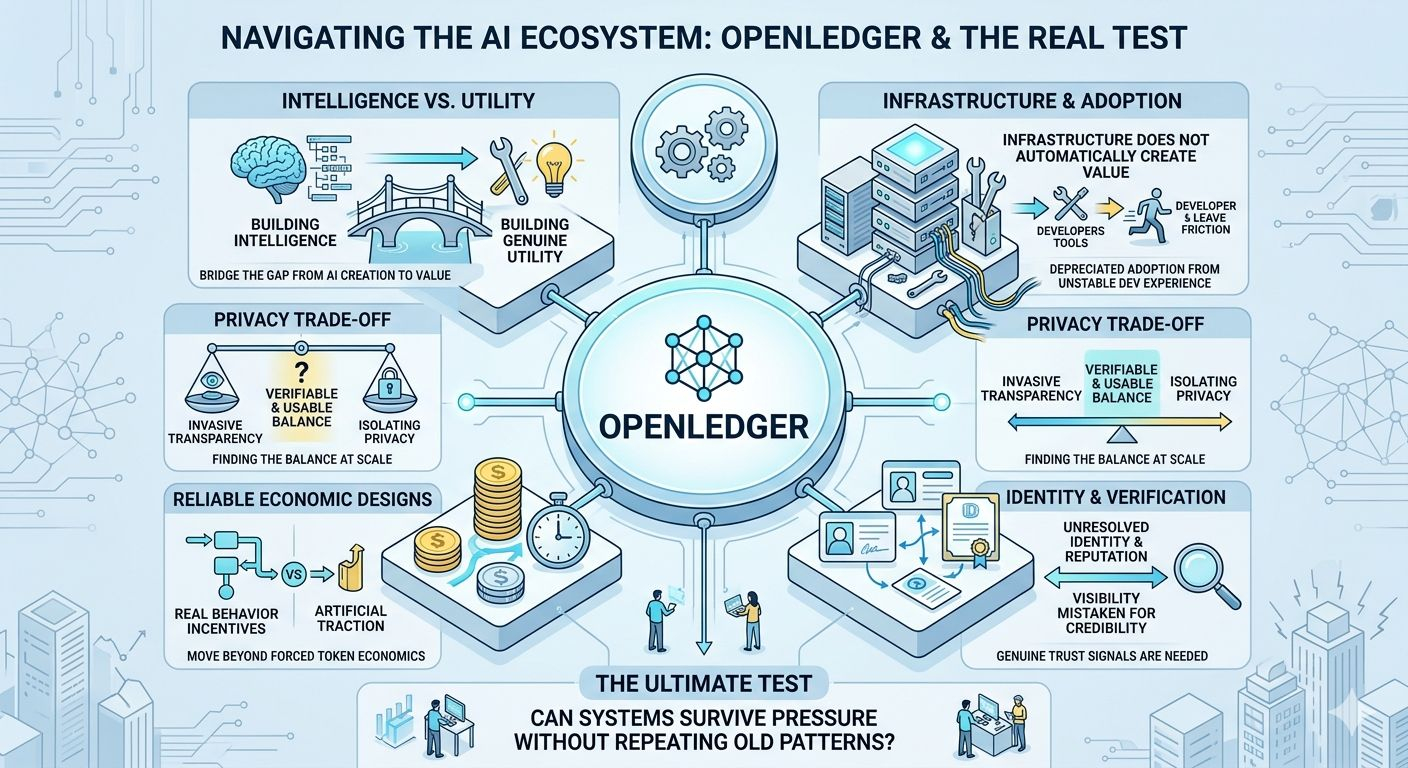
Verification and identity still feel unresolved too, and OpenLedger keeps pulling me back toward that thought. Every system talks about trust, but trust online still feels incredibly fragile. Identity remains fragmented, verification remains inconsistent, and reputation can still be manipulated faster than most systems can respond to it. We built environments where visibility gets mistaken for credibility and activity gets mistaken for value. That creates systems which look alive from a distance while quietly struggling underneath. I think people underestimate how damaging that becomes over time because eventually nobody knows what signals are real anymore.
That’s probably why I keep watching projects like OpenLedger with a strange mix of exhaustion and curiosity. I’m no longer interested in polished promises or theoretical potential on their own. I care more about whether systems can survive pressure without collapsing into the same patterns I’ve already seen too many times before. Maybe OpenLedger moves beyond that cycle, or maybe it eventually gets absorbed by the same incentives that flatten everything else into noise. I honestly don’t know yet. But I do think we’re approaching a point where intelligence alone stops being impressive, and the systems surrounding it become the real test instead.