
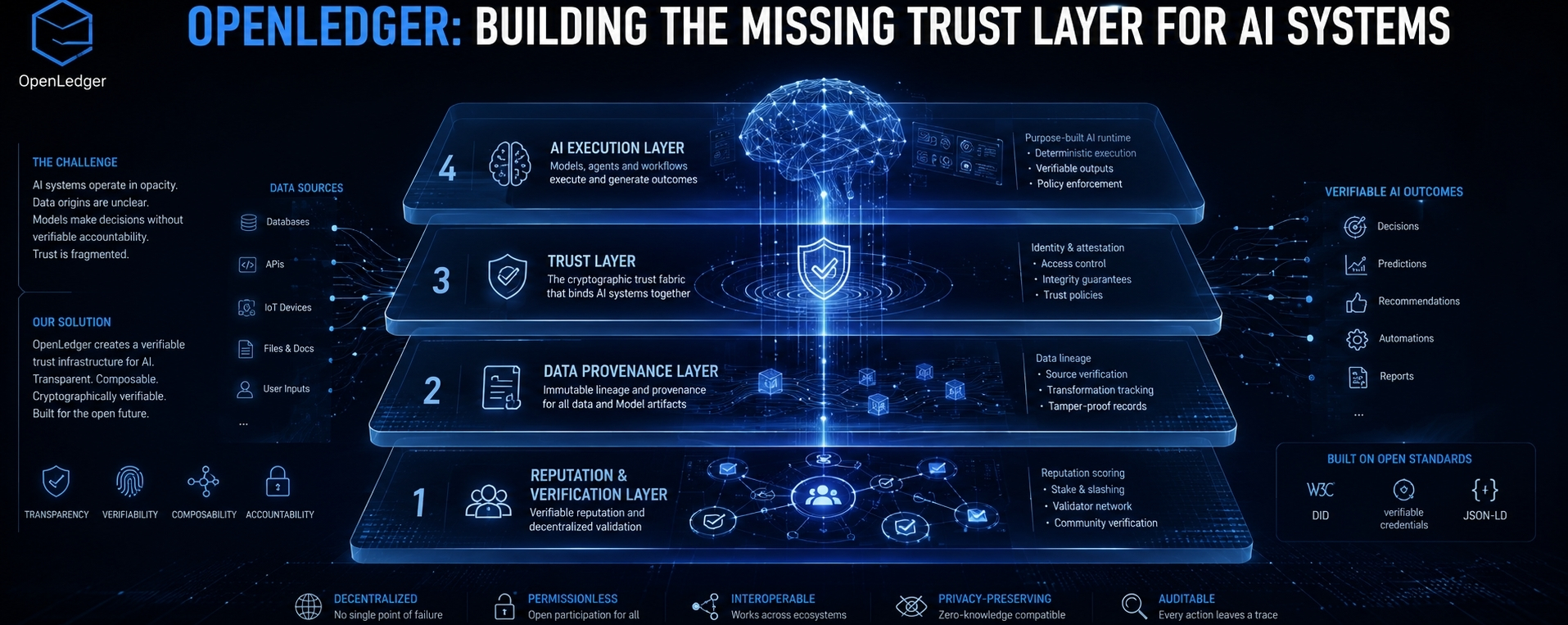
I’ve been noticing a pattern in AI infrastructure that still feels underrated.
Most systems are focused on performance — better models, faster inference, stronger automation. That’s the visible layer, and naturally where attention goes.
But when I look at OpenLedger, it feels like the focus is slightly different.
It’s not just about intelligence — it’s about what happens when AI starts acting continuously inside real systems.
Once AI becomes part of execution, interacting with workflows and making decisions, the question shifts.
It’s no longer only about output quality. It becomes about behavior over time.
That’s where OpenLedger’s direction feels interesting.
The idea, as I understand it, is to structure AI history — how consistently a system behaves, and how reliable it is across time.
Right now, trust is still external. We rely on models, platforms, or benchmarks.
But there’s no native system-level memory of AI behavior that follows it across environments.
That gap becomes important when AI operates in sensitive or high-value workflows.
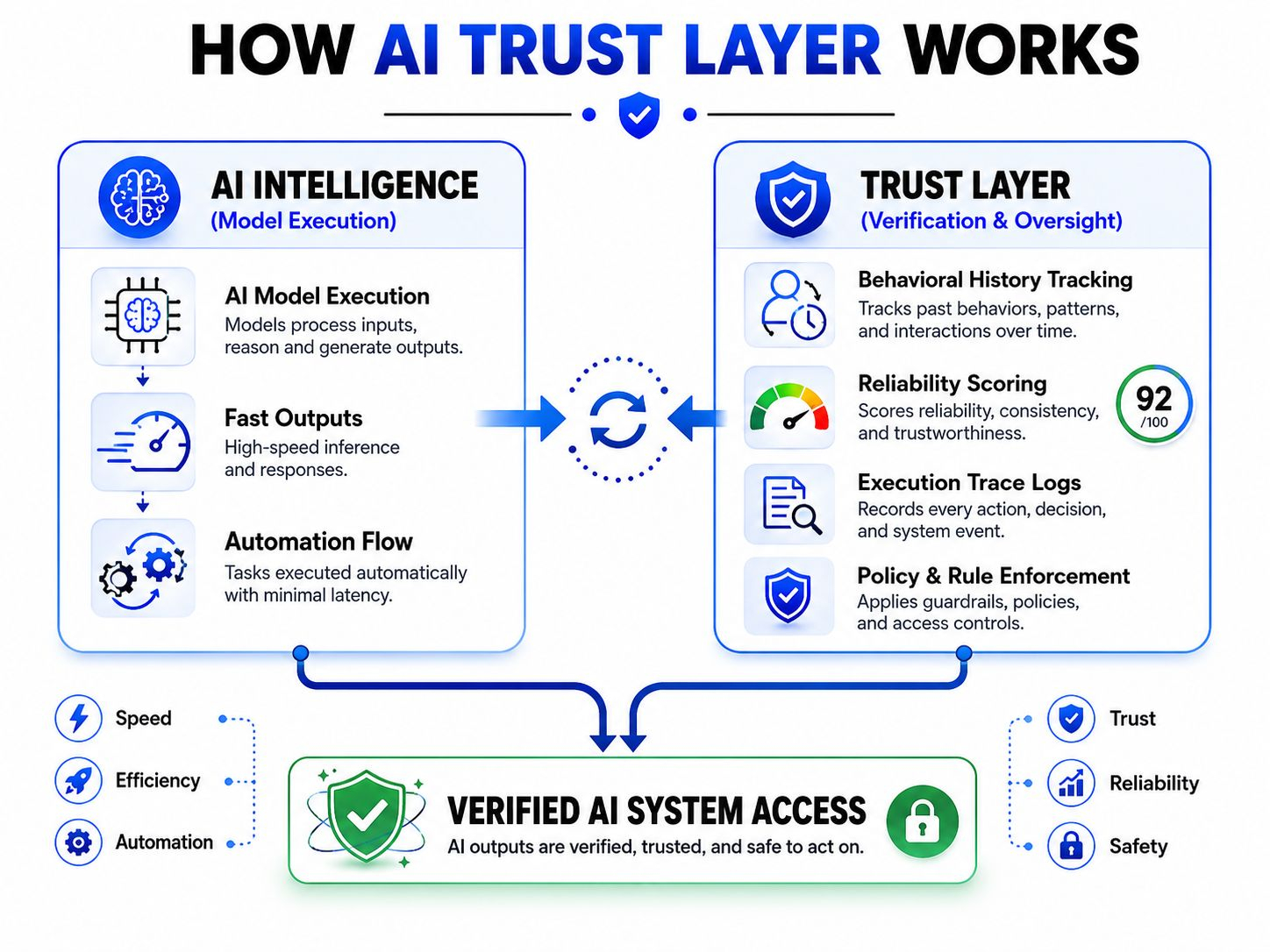
This is where OpenLedger starts to feel like a behavior and accountability layer.
If AI systems begin accumulating execution history — traceable actions, reliability patterns, and contribution records — then trust becomes something earned over time.
Not just intelligence, but consistent behavior becomes the key metric.
If OpenLedger is moving in that direction, then its value is not just execution, but making AI behavior auditable and persistent.
And in that case, AI systems stop being isolated tools — and start becoming long-term participants in an ecosystem where history matters as much as capability.