
I once tried to verify a simple onchain data point across a few dashboards, and none of them fully agreed.
The transaction was there, the network was active, everything looked normal on the surface. But each interface told a slightly different story about timing, confirmation, and final state. It was not a dramatic failure. It was something m0re subtle. A small inconsistency that made it hard to trust what I was seeing.
That stayed with me.
Not because the System was slow, but because it was unclear.
After a few experiences like that, I started paying more attention to how information moves through systems rather than how fast it arrives. Speed is easy to notice. Clarity is harder. And in crypto, clarity is often where things start to break down.
Most infrastructure discussions still focus on performance. Higher throughput, lower latency, better scaling. Those improvements are real, and they matter. But from what I have seen, performance alone does not solve the deeper issue, which is understanding what actually happened between input and output.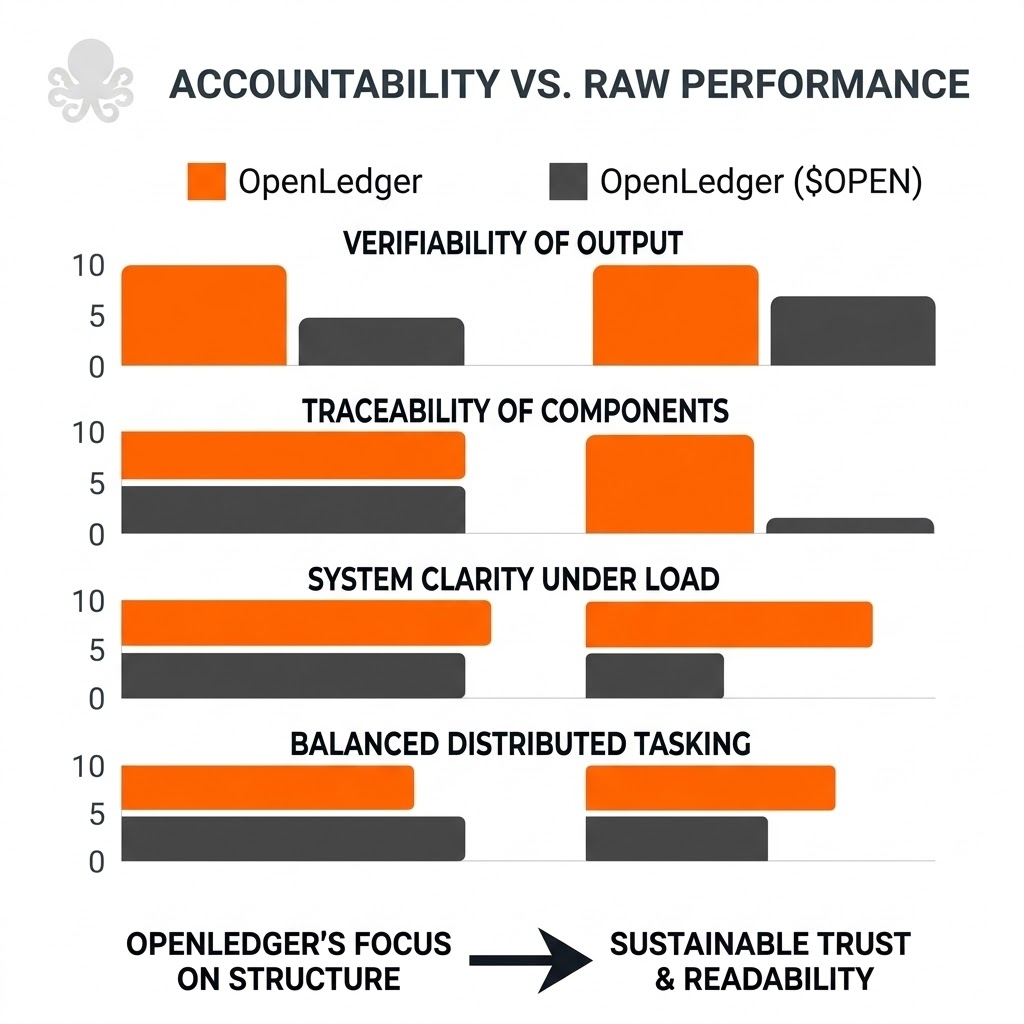
as systems grow, more components get involved. Data is split, processed in parallel, passed through different services, and reassembled at the end. When everything works, it feels seamless. When something is off, it becomes surprisingly difficult to trace where the issue started.
I think about it like a busy delivery network.
Packages move quickly from one hub to another. On paper, everything is efficient. But if tracking information is incomplete or inconsistent between hubs, you lose the ability to answer basic questions. Where is the package right now. Who handled it last. What stage caused the delay.
The system still moves, but it stops being easy to trust.
that same problem shows up in AI and data infrastructure.
We talk a lot about how capable models are becoming. And that is valid. But what matters just as much is what happens after a model produces something. Can that output be traced back through the system. Can we understand which steps contributed to it. Can we verify it when needed.
When I look at how @OpenLedger approaches this, what stands out to me is the focus on structure around accountability rather than treating it as an extra layer added at the end.
It feels like the design starts from a different assumption. Not just how to produce results efficiently, but how to make those results explainable within the system itself.
From a system perspective, that usually means separating responsibilities clearly.
Scheduling work so it does not collide under load.
splitting tasks in a way that keeps execution manageable.
Keeping verification as part of the flow instead of something that happens after the fact.
Balancing parallel processing with ordering where sequence actually matters.
Managing congestion so that one overloaded area does not slow everything else down.
What I have noticed in systems that hold up under pressure is not just raw capacity. It is how well they handle uncertainty when demand increases or when inputs become unpredictable.
Backpressure, workload distribution, and clean separation of execution paths are not just engineering details. They are what decide whether a system stays understandable when it is stressed.
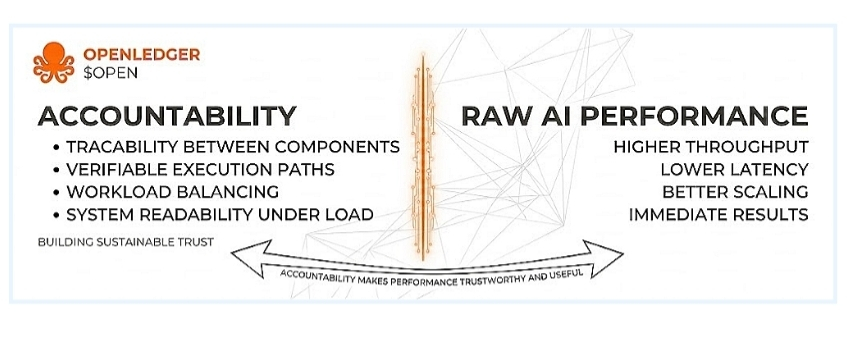
That is where accountability starts to matter more than raw performance.
because a fast system that cannot explain itself eventually loses trust. And a slightly slower system that remains traceable and verifiable often becomes more useful in real conditions.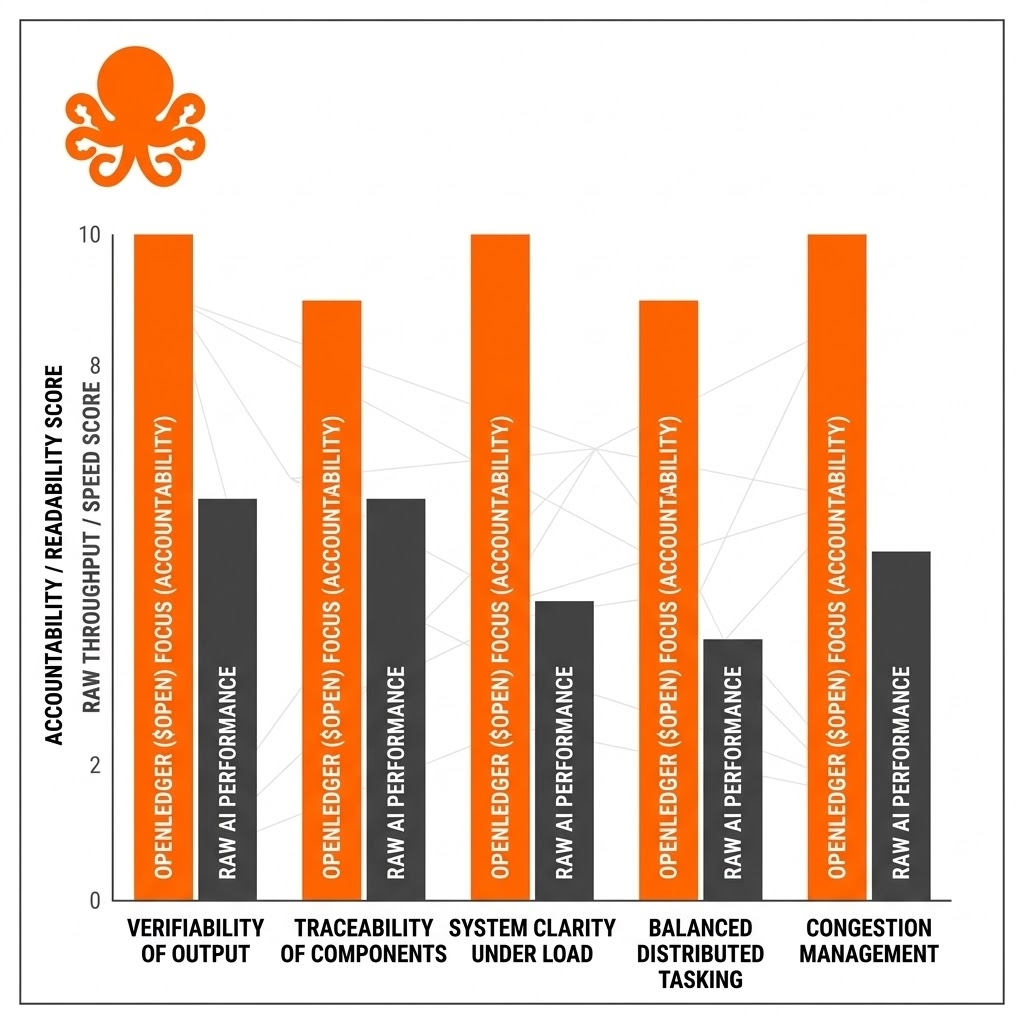
In my experience watching networks evolve, the systems that last are not the ones that only optimize for speed. They are the ones that stay readable when things get complicated.
Good infrastructure does not need to draw attention to itself. It just needs to keep working in a way that still makes sense when everything aroungd it becomes messy.