
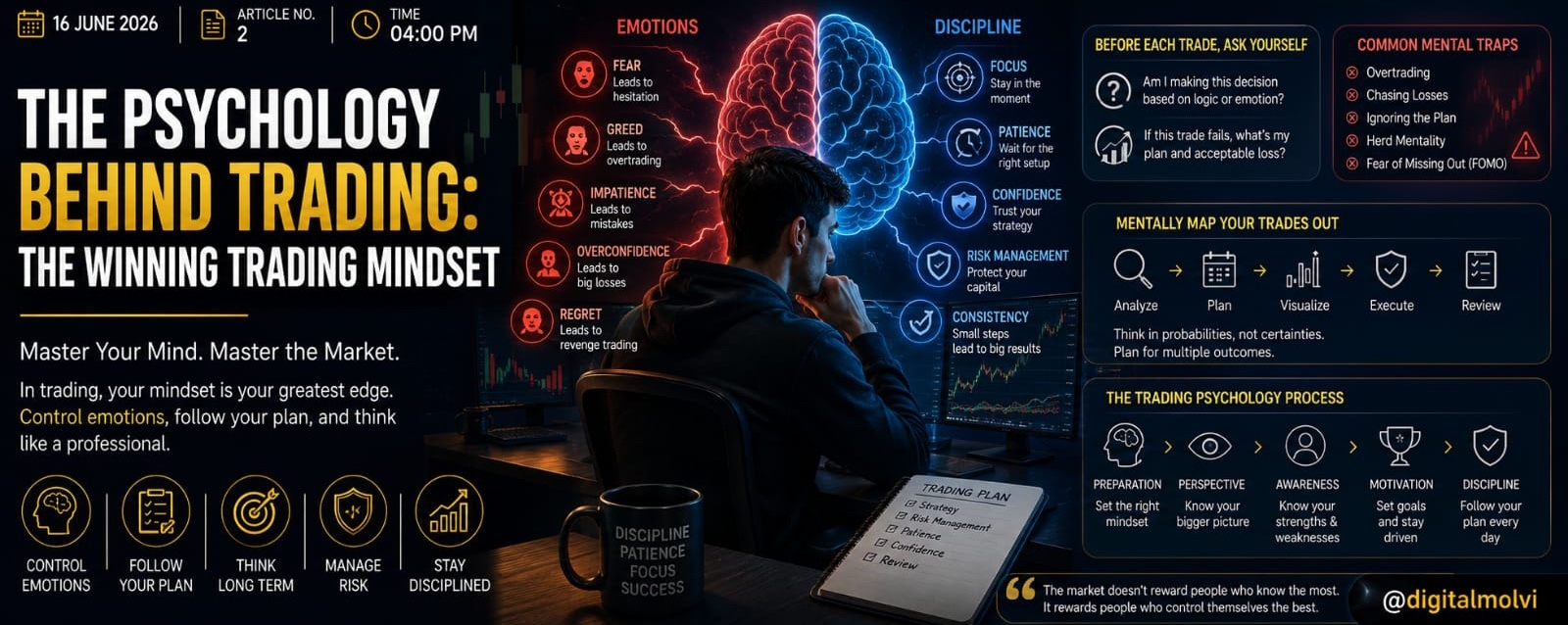
Anyone can learn to trade. Learning this is not a problem since we can find educational material to help us understand and gain technical knowledge. We will find this material in online courses, videos, or even through gurus and mentors. However, this is just the tip of the iceberg. In fact, it is not enough to find courses or educational material because being successful in trading depends on maintaining adequate and non-erratic behavior. This is where understanding our behavior patterns becomes necessary.
You can learn tricks and tips on how to enter the trading comfort zone. However, experience and time in the market are crucial. This will allow you to develop the mental strength needed to reach your goal—being a successful trader. Largely, it is about controlling emotions and biases, understanding the personality traits that define us, and mastering external pressures, which can severely affect the trading decisions we make.
Fight Or Flight Mentality
One of the most frequently asked questions by traders is about the fight-or-flight mentality. Based on psychological parameters, the answer to this can lead to different behaviors. First, as human beings, we are conditioned to panic and get scared by various situations. When it comes to trading, the feeling of failure is more resounding. If an operation does not go as initially planned and we lose money, our first reaction is often panic, as the financial plane is at risk. The problem with this ingrained mentality is that many successful trades can take time to fully develop and bear fruit. The pressure we feel, and the desire for quick results can be overwhelming. On the other hand, this same behavior can surprise us. For example, a trade that seemed fruitless and uncertain soon after being placed can turn into an incredibly lucrative profit, generating a WOW effect.
Successful traders must be strong enough to face the reality that not all trades will look great from the beginning or even after a long period. Instead of panicking, a good trader recognizes that losing or not winning immediately is simply part of the trading job. Building up patience and tolerance for failure is critical.
We Trade Forex – Come Trade With Us!
Choose The Funding Program That Suits You – Click Here
The Hidden Force Behind Every Trade
The concept of Trading Psychology is not just a buzzword; it is much more than that. It can be considered one of the fundamental bases for achieving successful trading. What good is it to have a first-class analytical view? To have the best trading strategies? What good is it to have the best and most sophisticated tools? Or should you consider yourself to have above-average wisdom when it comes to forex trading? All of this turns out to be obsolete and useless if you do not know how to channel your feelings and control your emotions, which can lead to the total loss of your assets—it is like playing to lose.
Fear, greed, overconfidence, impatience, and disappointment from losses are the main feelings that can lead even the best traders to make irrational decisions. These emotions must first be confronted.
Battling Counter-Intuitiveness
As traders, we often create our own obstacles. One of the biggest mental challenges in trading is its counterintuitive nature. Sometimes, our gut tells us not to take specific actions, but greed can push us toward significant losses. Think about the phrase “there is no harm in making a profit”; it seems logical, right? But if that profit comes after just one pip, it can actually be harmful.
The “herd phenomenon” also significantly influences our trading decisions. We tend to follow the crowd, investing in specific pairs based on recommendations or trends to avoid being left behind. After making these investments, we might start second-guessing ourselves, which leads to internal conflict.When everyone is buying a particular stock or currency, it’s tempting to jump in, fearing we might miss out. But this herd mentality often leads to poor decisions. Successful traders rely on their analysis and strategies instead of getting swept up by the crowd.
The Perils Of Automated Systems
Automated systems are popular among traders looking to minimize anxiety and stress. Furthermore, these systems allow traders to operate more freely by effectively eliminating emotions from trading. However, finding a system that consistently generates profits is challenging. Indeed, the web is full of offers guaranteeing immediate success, which attract traders’ curiosity, but these offers often do not benefit the trader. It’s better to create an automated system on your own, combining theoretical research with practical application. Moreover, you can use our VOD guides to help you with this process of constructive self-assessments.
Although automated systems are engaging and attractive, they have their downsides. For instance, they can create a false sense of security, leading to dependency. This dependency may cause traders to neglect their analysis skills and decision-making, breaking their balance. To maintain this balance, traders should use automated tools sparingly and a good tutorial while maintaining personal involvement in the trading process.
Before Each Trade, Ask Yourself A Question
Did you know that the most experienced traders never rest, and their brains work harder than usual? A trader always asks questions like, “If I make this operation now and it fails, will I punish myself?” and “What is the percentage of this failing?” Thus, asking such questions allows traders to analyze a broader plan and think about the future consequences of each operation, thus avoiding regrettable decisions.
Another important and revealing question is, “Am I making this operation based on emotions or logic?” This question helps traders distinguish between logic and emotion, ensuring trades are based on solid analysis and reasoning to avoid unnecessary losses.
Mentally Map Your Trades Out
As mentioned earlier, a successful trader is always thinking, analyzing, and mapping out their trades in their mind, considering the potential results of each trade. You may wonder how this can be done. The answer is simple. Even if the trade seems beneficial, stop, take a step back, and analyze it from different points. This way, you can understand it on a larger scale. Look at the weekly, monthly, and even yearly implications. Constantly remind yourself why you are following an inevitable trend or trading system.
Maximizing Your Trading Performance – The Trading Psychology Process
Below, we’ll share some psychological concepts to significantly improve your trading by understanding the psychological process behind a successful trader:
High-Quality Preparation
A mental preparation process occurs before any successful trade. Rushing into trades without preparation can lead to getting lost and being unable to get back on track. Establishing an appropriate mentality takes some time. This will allow us to be more analytical, better manage the rigors of trading, and better deal with uncertainties.
Perspective
Understanding the role forex trading plays in your life relative to other commitments is crucial. A successful trader sets up a framework for forex trading and knows where the boundaries lie. Perspective also means understanding how you view specific forex markets and what markers you look for before entering a forex trade. Allow your trading plan to evolve as more questions and scenarios arise.
Personal Awareness
Personal awareness means understanding your strengths and weaknesses. Although it can be challenging to be honest with ourselves, it’s crucial for improving as traders. Knowing your weaknesses allows you to establish daily trader routines and habits that prevent you from committing shortcomings.
Self-Motivation
Self-motivation is essential, especially when you’re not ready to trade. Set clear goals in your trading plan and pursue them enthusiastically, regardless of external circumstances. Dream big, establish smaller milestones within your trading plan, and enjoy achieving them. We at The5ers have made it easier for you and created a unique free PDF trading plan to help you build a personal trading plan.
Mental Discipline
Mental discipline is crucial for following and executing your trading plan daily, regardless of conditions. Moreover, strengthen willpower by setting a daily mission, like cutting trades that aren’t working and sticking to it without exception. Indeed, willpower is the final piece of pre-trade mental preparation. Even the best trading plan won’t work if you lack the motivation to follow it. Therefore, mental discipline ensures you adhere to the plan, no matter the conditions. To build willpower, set a daily mission. Achievable goals should be part of your trading plan but also create smaller, daily goals based on your strengths and weaknesses.
For example, decide that you won’t hesitate to cut trades that aren’t working today. If you’ve been timid before, there won’t be any exceptions today.
#digitalmolvi #tradingpsychology #BinanceSquare


