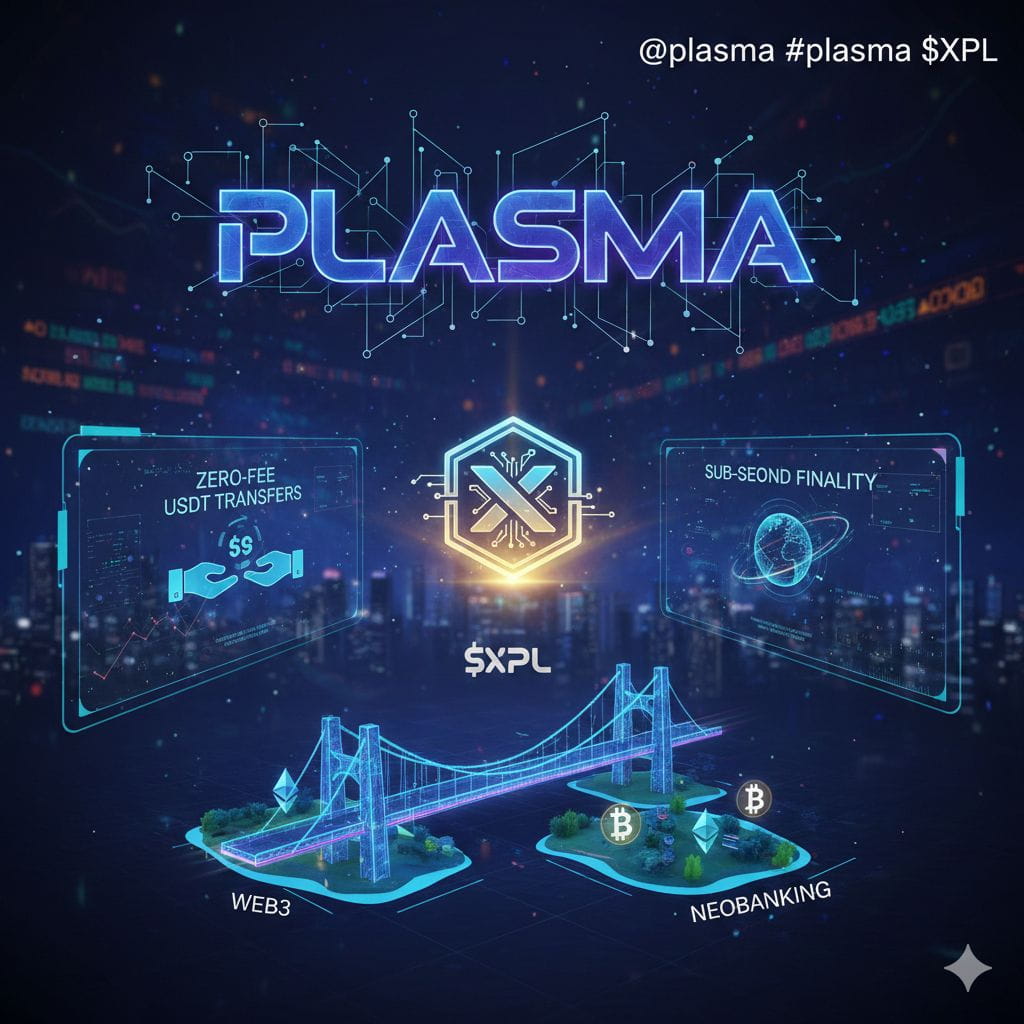
Saat kita menavigasi lanskap crypto 2026, fokus telah bergeser dari "tembakan bulan" spekulatif ke infrastruktur yang menyelesaikan gesekan keuangan dunia nyata. Di antara para pemimpin gerakan ini adalah @plasma, sebuah blockchain Layer 1 yang secara fundamental mendefinisikan kembali bagaimana kita berinteraksi dengan stablecoin.
Menyelesaikan Masalah "Gas"
Selama bertahun-tahun, hambatan terbesar bagi pengguna stablecoin mainstream adalah kompleksitas biaya gas. Harus memegang aset volatil asli hanya untuk mengirim $100 USDT adalah pengalaman pengguna yang canggung. Plasma mengubah permainan dengan Paymaster tingkat Protokolnya, memungkinkan transfer USDT tanpa biaya. Pendekatan "native-stablecoin" ini membuat dolar digital terasa seperti mata uang sebenarnya daripada interaksi blockchain yang kompleks.
Peran $XPL
Sementara transfer sederhana dapat dilakukan tanpa biaya gas, token asli $XPL tetap menjadi denyut nadi ekonomi jaringan. Ini melayani beberapa fungsi penting:
Keamanan Jaringan: Validator mempertaruhkan $XPL untuk mengamankan konsensus PlasmaBFT, memastikan finalitas dalam hitungan sub-detik.
Gas Khusus: Untuk interaksi DeFi yang kompleks, pengguna memiliki fleksibilitas untuk membayar biaya dalam $XPL atau aset lain yang didukung.
Tata Kelola Ekosistem: Seiring proyek ini berkembang, $XPL pemegang panduan arah kas dan peningkatan protokol.
Mengapa Ini Penting Sekarang
Dengan peluncuran Plasma One baru-baru ini, proyek ini menjembatani kesenjangan antara Web3 dan neobanking tradisional. Dengan mengintegrasikan model keamanan yang terikat Bitcoin dengan kompatibilitas EVM, Plasma menawarkan jalur netral dan cepat untuk pembayaran global. Apakah Anda seorang pengembang yang membangun aplikasi fintech berikutnya atau seorang pengguna yang mencari cara lebih murah untuk mengirim uang, infrastruktur yang dibangun di sini sulit untuk diabaikan.
Seiring dengan meningkatnya adopsi stablecoin secara global, kebutuhan akan lapisan penyelesaian yang didedikasikan menjadi tidak dapat disangkal. Plasma bukan hanya blockchain lainnya; itu adalah visi untuk masa depan uang.