
 In the rapidly evolving world of blockchain technology, Vanar has emerged as a next-generation platform designed to address the challenges of speed, scalability, and real-world adoption. While traditional blockchains often struggle with high transaction fees, slow processing times, and complex integration with mainstream applications, Vanar provides a robust solution that bridges these gaps. Its primary focus is on enabling gaming, entertainment, and immersive digital experiences, while also catering to developers, creators, and enterprises seeking efficient blockchain infrastructure.
One of Vanar’s most notable qualities is its high-speed, low-fee architecture. Unlike older blockchains that can become congested under heavy transaction loads, Vanar leverages advanced consensus mechanisms and optimized protocols to ensure fast, smooth transactions. This makes it ideal for industries like gaming, where real-time interaction is critical, and for digital marketplaces, where users demand seamless and cost-effective exchanges of assets such as NFTs.
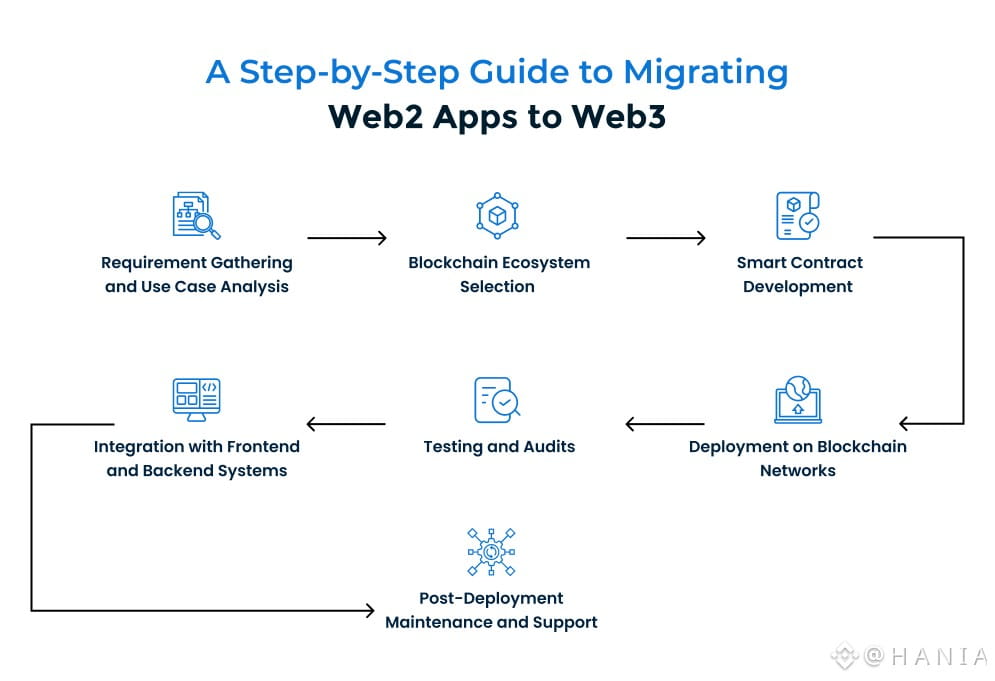
Beyond speed, Vanar excels in interoperability, acting as a bridge between Web2 and Web3 ecosystems. This feature is particularly valuable for developers who wish to transition their applications to blockchain without creating entirely new systems from scratch. Through this bridge, users can experience the benefits of blockchain technology—such as true digital ownership and security—without leaving familiar Web2 platforms.
Security is another cornerstone of Vanar’s design. Its architecture incorporates advanced cryptographic protocols, multi-layered validation, and developer-friendly smart contract frameworks. These measures not only protect users from malicious attacks but also foster innovation, as creators can confidently build complex decentralized applications (dApps) without fear of vulnerabilities. Vanar’s emphasis on security ensures that digital assets, including NFTs, gaming items, and virtual real estate, remain fully protected while enabling seamless user interaction.
A lesser-known quality of Vanar is its support for dynamic ecosystems. The platform is not limited to simple token transactions; it facilitates complex virtual economies where multiple types of digital assets can coexist, interact, and grow. This opens doors for collaborative gaming worlds, virtual concerts, digital art galleries, and other immersive experiences that require sophisticated asset management. In these ecosystems, creators and users can innovate while maintaining full control over their digital property, contributing to sustainable growth and engagement.
Another underappreciated feature of Vanar is its adaptive scalability. Unlike blockchains that rely on static networks with rigid throughput limits, Vanar dynamically adjusts to varying workloads. Whether handling thousands of gaming transactions per second or processing large-scale NFT auctions, the platform scales efficiently, maintaining speed and reliability. This adaptive approach is essential for mass adoption, as it allows the blockchain to meet the needs of diverse users without compromising performance.
Vanar also emphasizes community-driven governance, empowering users and developers to participate in decision-making processes. This decentralized approach ensures that platform upgrades, protocol changes, and ecosystem enhancements are guided by collective input rather than a single controlling entity. By involving the community in governance, Vanar fosters trust, encourages innovation, and creates an inclusive environment where contributors are rewarded for their participation.
Furthermore, Vanar integrates AI-driven analytics and optimization tools, a unique quality not commonly found in other blockchains. These tools allow developers and creators to analyze user behavior, predict trends, and optimize their digital experiences. By leveraging intelligent insights, projects built on Vanar can remain responsive, adaptive, and aligned with user expectations, driving both engagement and profitability
Vanar’s design philosophy also prioritizes environmental sustainability. Recognizing the energy concerns associated with traditional blockchains, Vanar employs efficient consensus algorithms and energy-conscious infrastructure. This approach reduces its carbon footprint while supporting large-scale transactions, making it a responsible choice for users and enterprises seeking eco-friendly solutions.
In conclusion, Vanar is far more than just a high-speed blockchain—it is a versatile platform combining performance, security, scalability, and community engagement. Its strengths in interoperability, dynamic ecosystems, adaptive scalability, AI-driven analytics, and sustainable design make it uniquely positioned to support the next wave of digital experiences. For gamers, creators, enterprises, and everyday users, Vanar represents a secure, efficient, and forward-looking platform where digital ownership, creativity, and real-world utility converge.
By integrating these qualities into its ecosystem, Vanar is not just keeping pace with the blockchain revolution; it is setting new standards for what a truly intelligent, user-focused, and future-ready blockchain can achieve. The platform’s blend of speed, security, adaptability, and sustainability ensures it will continue to play a central role in shaping the digital experiences of tomorrow.