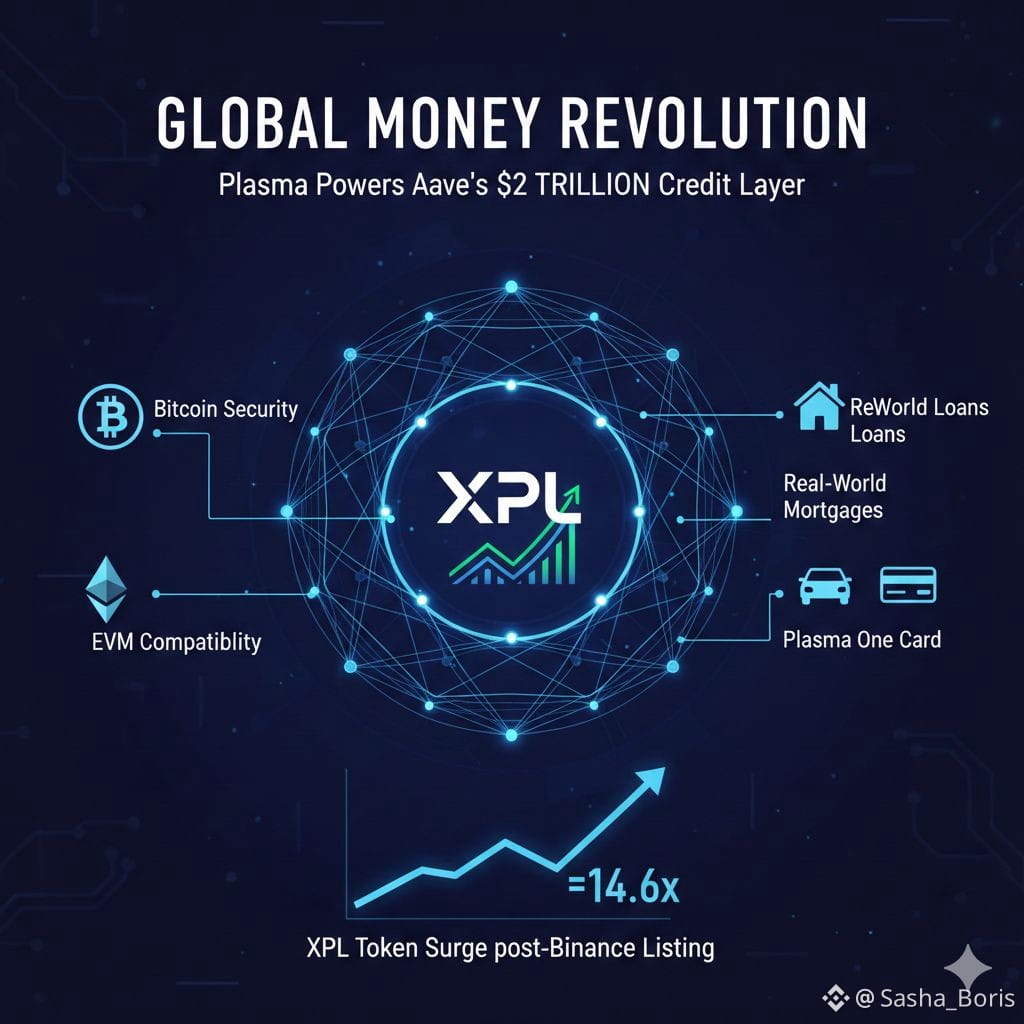
The financial world is currently witnessing a massive tectonic shift, and it’s all centered around a project that just hit the big leagues on Binance. While most blockchains are busy trying to be "the next Ethereum" by doing a little bit of everything, Plasma (XPL) has taken a radically different approach. It isn't trying to be a digital playground for JPEGs or meme coins; it is positioning itself as the literal backbone of a new global credit system. With the backing of industry giants like Tether’s Paolo Ardoino and Peter Thiel’s Founders Fund, Plasma is no longer just a "project"—it’s a multi-billion dollar financial infrastructure that is finally bridging the gap between your crypto wallet and the real world.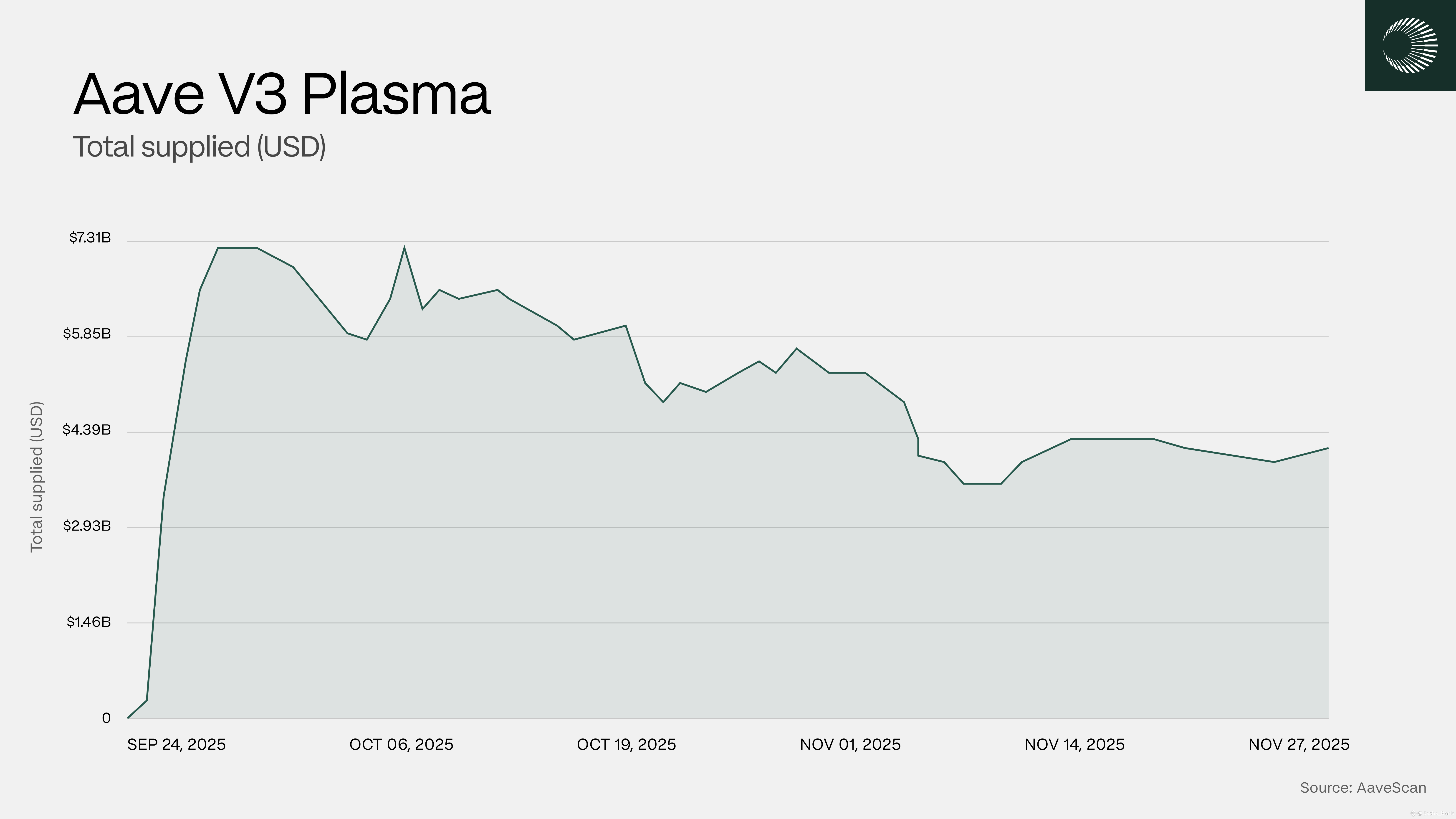
A New Layer for a Trillion-Dollar Market
At its heart, Plasma is a high-performance Layer 1 blockchain specifically engineered for one thing: stablecoins. We all know the pain of sending USDT on Ethereum and losing $20 in gas fees, or the centralized worries of using faster but less secure chains. Plasma solves this by offering zero-fee USDT transfers at the base layer. This isn't just a gimmick; it’s a fundamental redesign. By utilizing a unique consensus mechanism called PlasmaBFT—inspired by the lightning-fast HotStuff algorithm—the network can process thousands of transactions per second with sub-second finality. Imagine sending money across the globe and having it settle faster than a credit card swipe, with absolutely zero transaction costs. That is the reality Plasma has built.
The Aave Partnership: Building the Global Credit Layer
The most explosive development in the Plasma ecosystem is its deep integration with Aave. This isn't just another DeFi deployment. Plasma and Aave are co-creating what they call the "Global Credit Layer." In traditional finance, credit is slow, gated by banks, and trapped behind borders. On Plasma, Aave has already become the second-largest market globally, with nearly $2 billion in USDT liquidity committed almost overnight.
This partnership allows users to deposit yield-bearing collateral—like restaked ETH from Ether.fi or USDe from Ethena—and borrow USDT against it at hyper-efficient rates. Because Plasma is optimized for these transactions, it creates a feedback loop of deep liquidity. The end goal? To move this credit off-chain. We’re talking about using your on-chain assets to power real-world mortgages, business loans, and even consumer credit cards through the upcoming "Plasma One" neobank.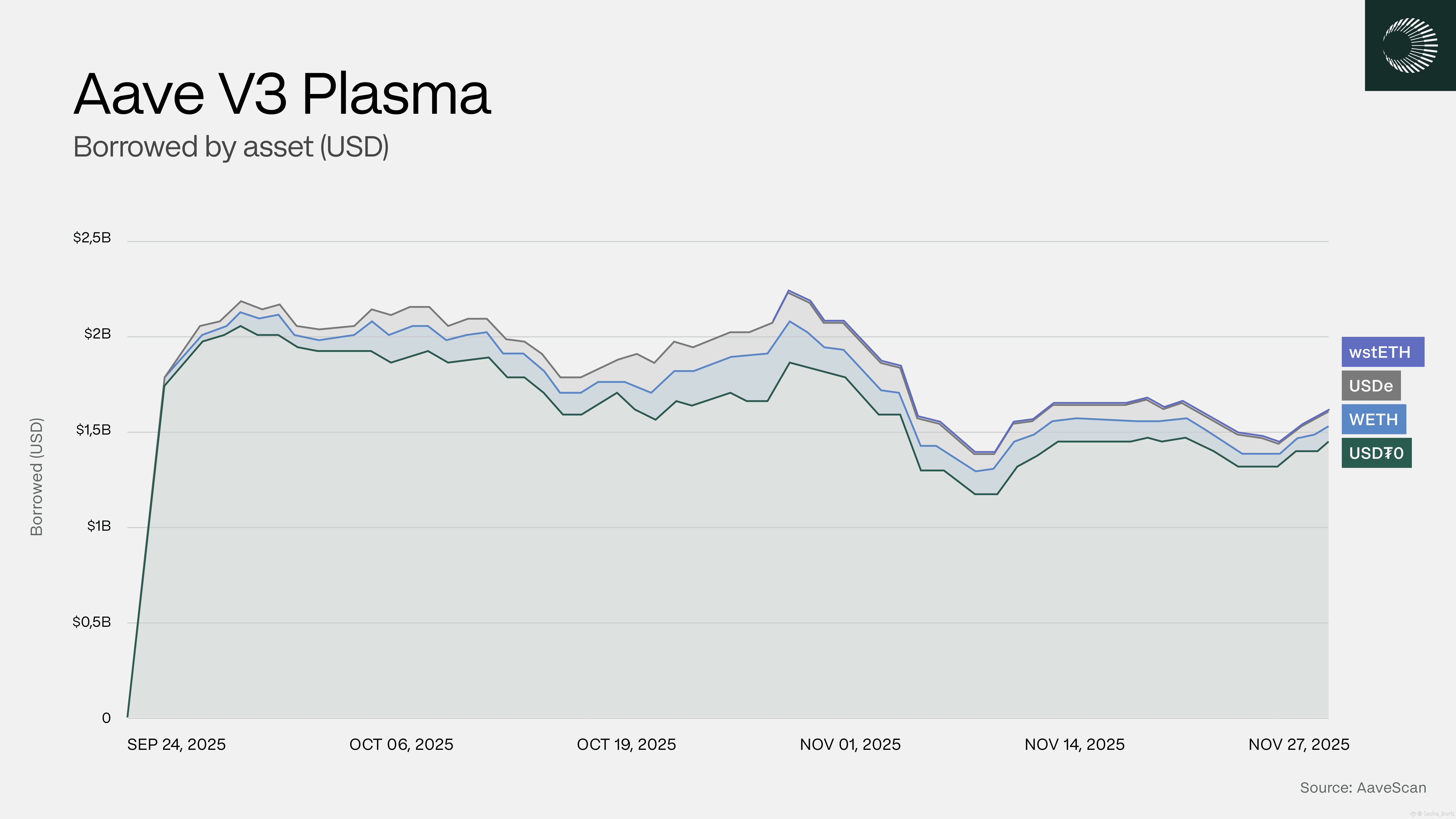
The Power of XPL: More Than Just a Token
The native token, XPL, is the engine that keeps this massive machine running. Listed on Binance with massive fanfare (including a 14.6x surge from its initial ICO price), XPL serves multiple critical roles. While basic USDT transfers are free, XPL is required for more complex smart contract interactions, securing the network through staking, and protocol governance.
The tokenomics are designed for long-term stability rather than short-term hype. With a total supply of 10 billion tokens, the distribution is carefully balanced: 40% is earmarked for ecosystem growth and incentives, ensuring that liquidity stays "sticky." The team and early investors, including heavy hitters like Bitfinex and Framework Ventures, are under a strict vesting schedule with a one-year cliff. This means the people building the project are incentivized to stay for the long haul, protecting the community from the "pump and dump" cycles that plague smaller projects.
Bitcoin Security with Ethereum Flexibility
One of the most impressive technical feats of Plasma is how it anchors itself to the most secure network in existence: Bitcoin. Through a trust-minimized bridge, Plasma periodically commits its state data to the Bitcoin blockchain. This gives users "Bitcoin-level" security and censorship resistance while maintaining the flexibility of an EVM-compatible environment.
For developers, this is a dream come true. You can take any application built for Ethereum and deploy it on Plasma without changing a single line of code. This is why we’ve seen over 100 DeFi partners, including industry leaders like Fluid and Euler, migrate to the chain on day one. They get the security of Bitcoin, the familiarity of Ethereum, and the speed of a modern payment rail.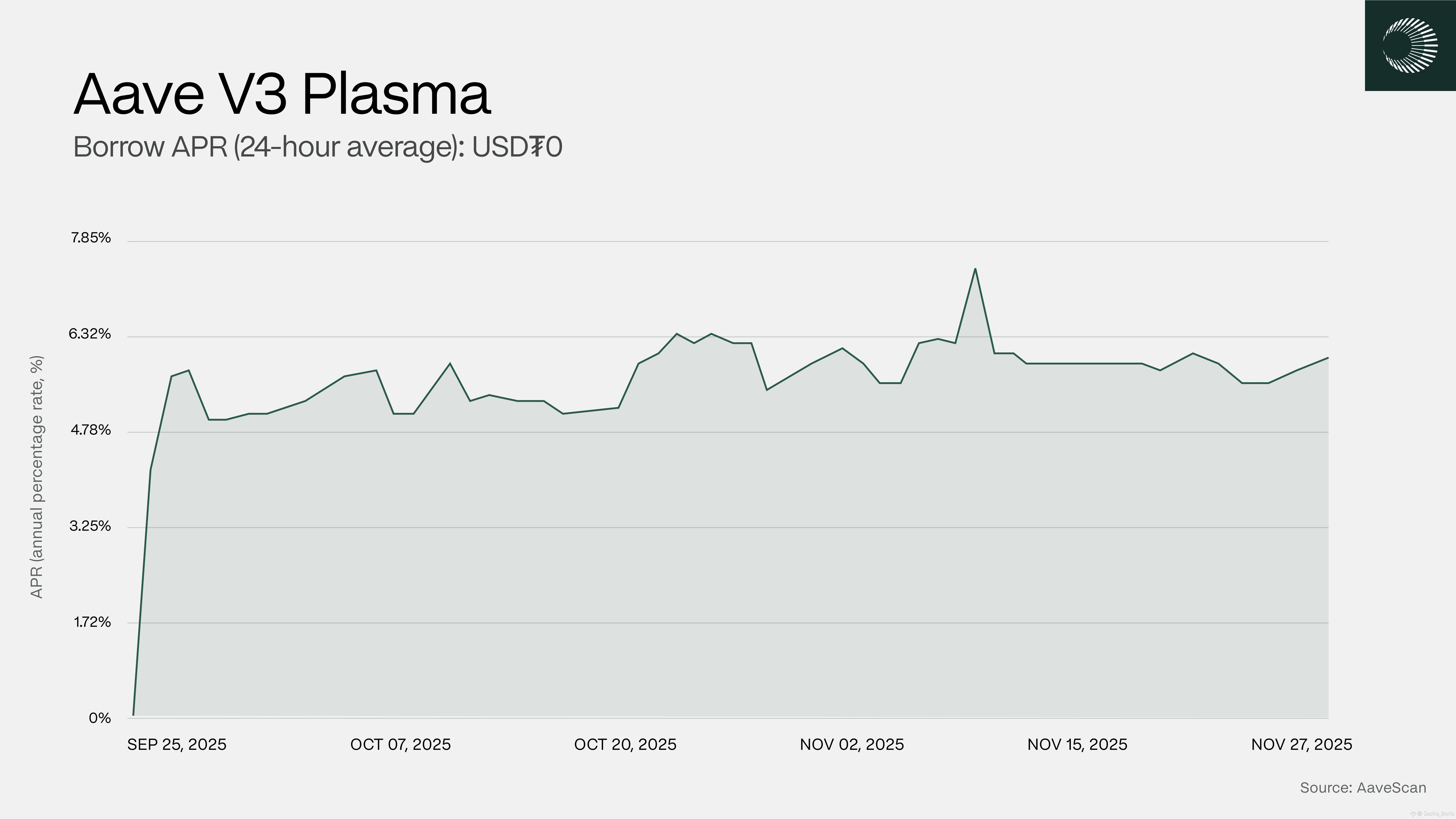
Real-World Purpose and the Road Ahead
Plasma isn't just chasing "DeFi degens." The project’s roadmap is laser-focused on real-world utility in regions where local currencies are failing. By partnering with firms like Yellow Card in Africa and BiLira in Turkey, Plasma is becoming a lifeline for financial inclusion. The upcoming "Plasma One Card" is set to be the "killer app" for the ecosystem—a stablecoin debit card offering 10% APY on USDT balances and 4% cashback, paid directly into your pocket.
As we move into 2026, the project plans to transition toward full decentralization, opening up staking to the public and activating its "Confidential Payments" module. This feature will allow users to maintain financial privacy for their transactions while staying compliant with global regulations—a must-have for institutional adoption.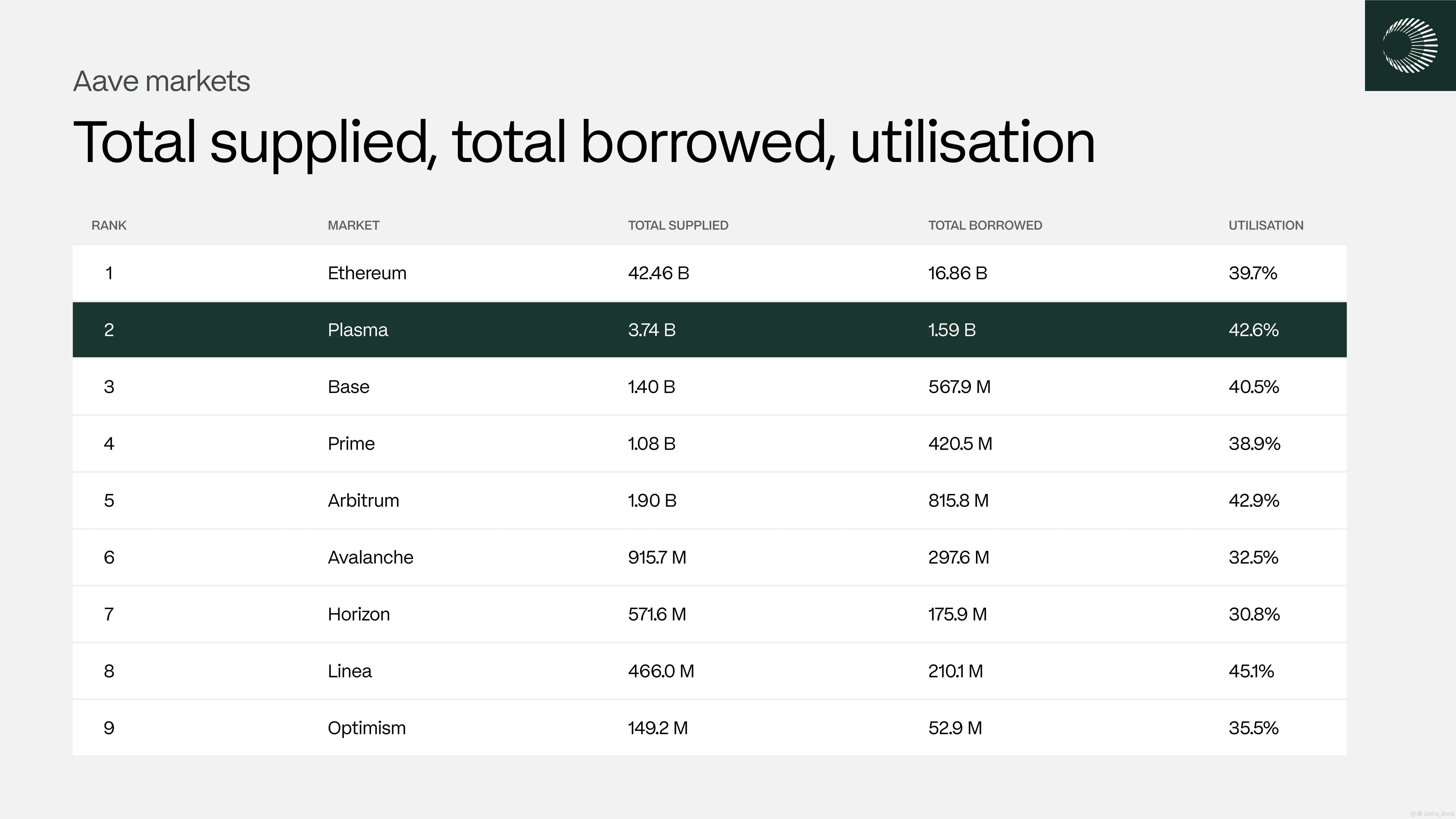
The Verdict: Is This the Future?
The launch of Plasma (XPL) on Binance marks a turning point for the entire crypto industry. We are moving away from the era of "speculative assets" and into the era of "financial utility." With $2 billion in day-one liquidity and a team comprised of veterans from Goldman Sachs, Apple, and Microsoft, Plasma has the talent and the capital to actually pull off its ambitious vision.
If you’ve been looking for a project that solves a real problem—the friction of moving money and accessing credit—Plasma is it. It has successfully combined the trust of Bitcoin, the genius of Aave, and the liquidity of Tether into a single, seamless experience. The global credit layer is no longer a dream; it’s being built block by block on the Plasma network, and the world is finally starting to take notice.