

Plasma: A Faster, Cheaper Way to Move Stablecoins
Stablecoins have rapidly become the backbone of Web3 payments, underpinning everything from major exchanges and digital wallets to countless decentralized applications (dApps). Their popularity has skyrocketed because they offer the speed and predictability of digital money without the wild price swings of other cryptocurrencies. But as more people and businesses rely on stablecoins, the networks they run on have started to show some strain: transaction fees climb higher, payments get stuck in bottlenecks, and the overall user experience can feel anything but smooth. That’s where Plasma comes in—a layer-2 scaling solution designed to take the edge off these exact pain points. Whether you’re an active trader, a developer building the next killer app, or just someone exploring what crypto can do, understanding how Plasma works can help you see why it’s such a game-changer for stablecoin payments.
What’s Plasma, Anyway?
At its core, Plasma is a framework that sits atop blockchains like Ethereum, acting as a powerful extension rather than a replacement. Imagine the main blockchain as a busy highway—every transaction is a car, and during rush hour, traffic slows to a crawl. Plasma introduces a network of smaller, faster "side roads" (sidechains or child chains) that handle the majority of transactions off the main highway. Instead of sending every single payment directly onto the base chain, Plasma lets you bundle, or batch, many transactions together off-chain. Later, these bundles are summarized and settled on the main blockchain. This keeps the foundational layer secure and trustworthy, but it frees up enormous capacity by moving most of the routine activity elsewhere. By offloading this traffic, Plasma transforms the speed and cost of using stablecoins in practice.
Why Is Payment Friction a Big Deal?
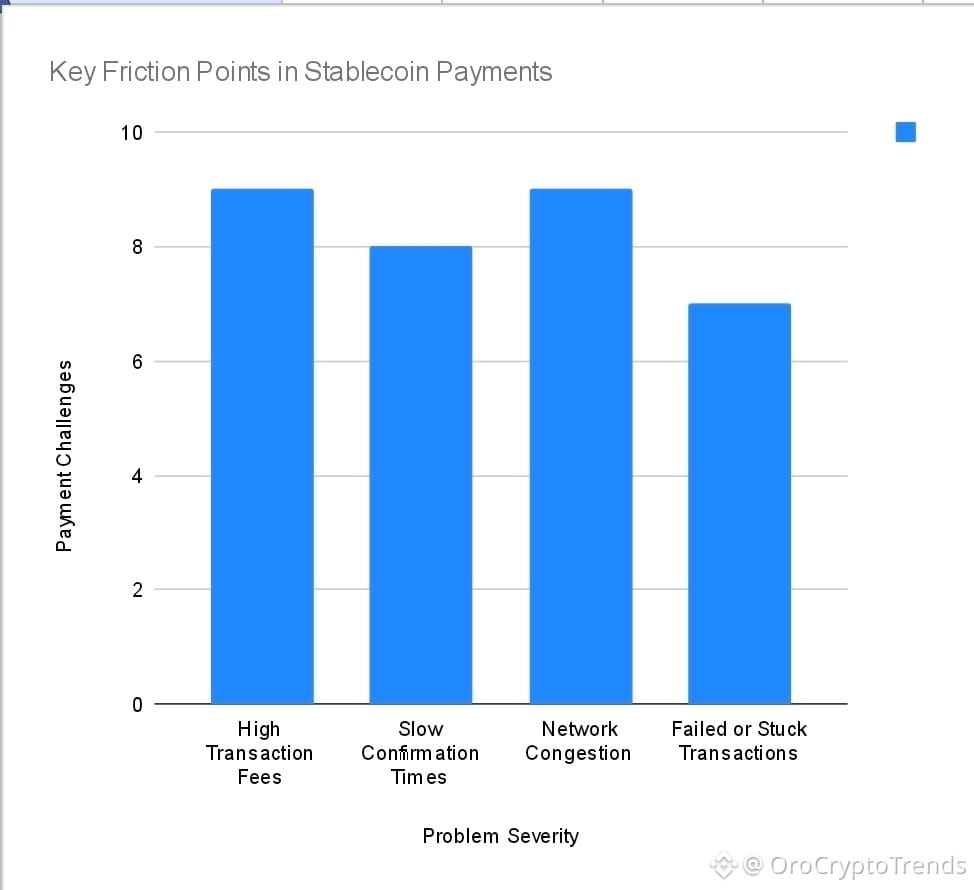
Payment friction is more than just an annoyance—it’s a fundamental barrier to mainstream adoption. Friction refers to anything that slows down or complicates the process of moving money, making transactions more expensive or less reliable. With stablecoins, friction often shows up in several familiar ways:
- High transaction fees during peak network times, turning small payments into a costly ordeal
- Long confirmation times, which can make waiting for your funds frustratingly slow
- Increased risk of failed transactions if the network gets congested or overloaded
- Fragmented wallet and app support, forcing users to jump through hoops just to get things working together
All these issues add up, especially for people relying on stablecoins for everyday payments, remittances, or business transactions. What should be a simple, instant experience can quickly become a headache—and that’s exactly the kind of friction Plasma aims to eliminate.
How Plasma Cuts Down Friction
1. Cheaper Transfers
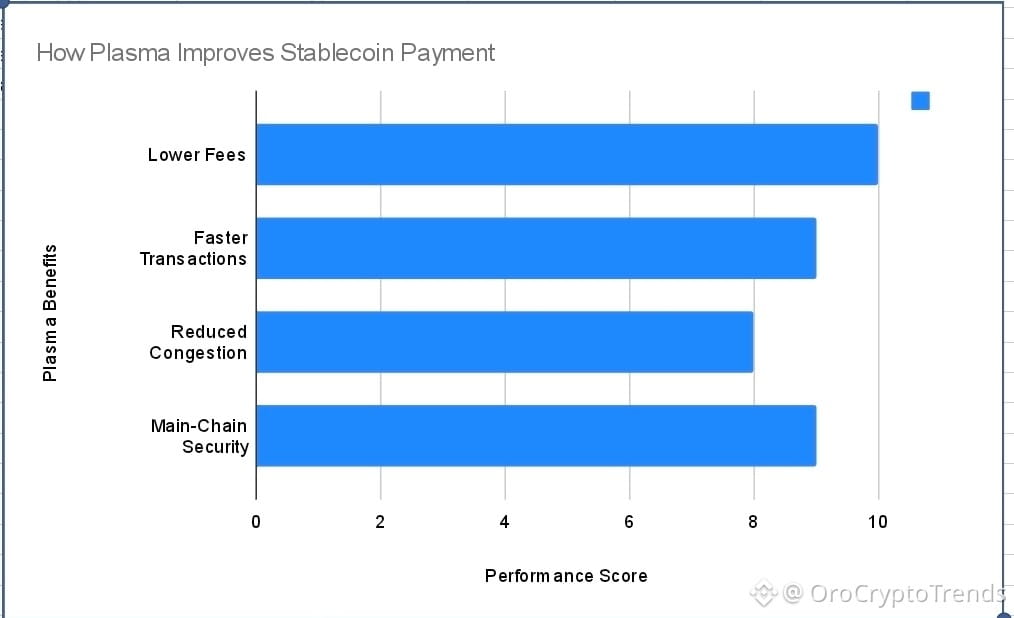
When activity on the main blockchain surges, so do transaction fees—sometimes to the point where sending even a modest amount of stablecoins becomes prohibitively expensive. Plasma addresses this by taking the majority of transactions off the base chain. It collects and processes them in batches, then periodically settles the results on the main chain. By sharing the cost of a single settlement across hundreds or thousands of transactions, Plasma slashes the fee each user pays. This makes regular payments, whether for personal use or business, far more affordable without compromising on the key security guarantees that users expect from the underlying blockchain.
2. Faster Payments
Traditional layer-1 blockchains like Ethereum have limits on how many transactions they can process at once. When demand spikes, everything slows down. With Plasma, transactions are handled off-chain in dedicated sidechains, so they don’t have to compete for limited space on the main network. Payments zip through much more quickly—wallets update in near real-time, dApps feel snappier, and users no longer have to anxiously watch the clock or repeatedly refresh for confirmations. This acceleration is especially valuable for merchants, traders, and anyone who depends on timely payments.
3. Less Congestion for Everyone
By moving a significant chunk of routine transactions—especially smaller, high-frequency payments—off the main blockchain, Plasma helps reduce congestion for all users. The benefits aren’t limited to those using Plasma directly; the entire network becomes less crowded. This can lead to lower fees and fewer delays even for users who never interact with Plasma chains, creating a positive feedback loop that benefits the whole ecosystem.
4. Security You Can Trust
A common concern with off-chain solutions is whether they sacrifice security for speed and savings. Plasma addresses this with a clever compromise: while transactions are processed off-chain, each batch is anchored to the main blockchain using cryptographic proofs. This means any attempt at fraud or manipulation can be detected and challenged on the main chain. If someone tries to tamper with a transaction, users can submit so-called "fraud proofs" to the base layer, which can enforce the rules and correct mistakes. Ultimately, you get the best of both worlds—fast, inexpensive payments, protected by the same robust security that underpins Ethereum.
5. Better Wallet and App Support
As Plasma adoption grows, wallet providers and dApp developers are integrating direct support for Plasma-based payments. This means users don’t have to worry about manually choosing the best route for their transactions—their wallets can automatically select the fastest, cheapest option behind the scenes. For merchants, this translates to getting paid faster and with lower fees. For DeFi users, it means more efficient trades and settlements. And for everyone, it means the technology fades into the background and payments "just work," which is exactly how it should be.
A Quick Example
Let’s say Alice wants to send Bob $500 in stablecoins.
Without Plasma, Alice would have to pay a significant gas fee, sometimes several dollars or more. She might wait several minutes for the transaction to confirm, especially if the network is busy. If there’s a surge in demand, everything could grind to a halt, and there’s even a risk the transaction might fail, forcing her to start over and pay again.


With Plasma, the story is very different. Alice’s payment is bundled in a batch of off-chain transactions, handled quickly and efficiently. Bob receives the money almost instantly, often in seconds, and the fee Alice pays is just a tiny fraction of what she’d pay on Layer 1. The whole process is smoother, faster, and much more affordable—a huge improvement for anyone who uses stablecoins regularly, whether for remittances, online shopping, or simply splitting a bill with friends.
Of course, Plasma isn’t a silver bullet—there are trade-offs to consider, such as new technical complexities and some delays in final settlement.
But the direction is clear: for stablecoin payments to truly scale and reach global adoption, they must become faster, cheaper, and just as trustworthy as cash or traditional banking. Plasma moves us several steps closer to this goal.
If you’re building in the Web3 space or simply want a better way to move money around, keeping an eye on Plasma and its evolution makes a lot of sense.
As the technology matures, it promises to unlock a new wave of seamless, affordable digital payments—putting stablecoins within reach for everyone, everywhere.
Disclaimer:Not Financial Advice