

Seamlessly Transfer Crypto Across Blockchains—Here’s How

With the rapid evolution of the crypto landscape, new chains like Vanar are emerging to offer fresh opportunities and enhanced performance. As more users seek out lower fees, faster transactions, and novel DeFi platforms, the ability to move your assets between blockchains is becoming increasingly essential. While the concept of “bridging” tokens might seem daunting, this guide will walk you through the process, highlight key considerations, and provide extra tips to ensure your experience is both safe and efficient.
Understanding Blockchain Bridges
A blockchain bridge functions much like a secure digital highway, allowing you to move assets from one network to another without relinquishing ownership or control. For example, if you hold Ethereum-based tokens but want to access Vanar’s cost-effective ecosystem, a bridge facilitates this transfer by temporarily locking your tokens on the original chain and issuing equivalent assets on Vanar. This process preserves the value of your holdings while unlocking powerful new options.
The Value of Moving to Vanar Chain
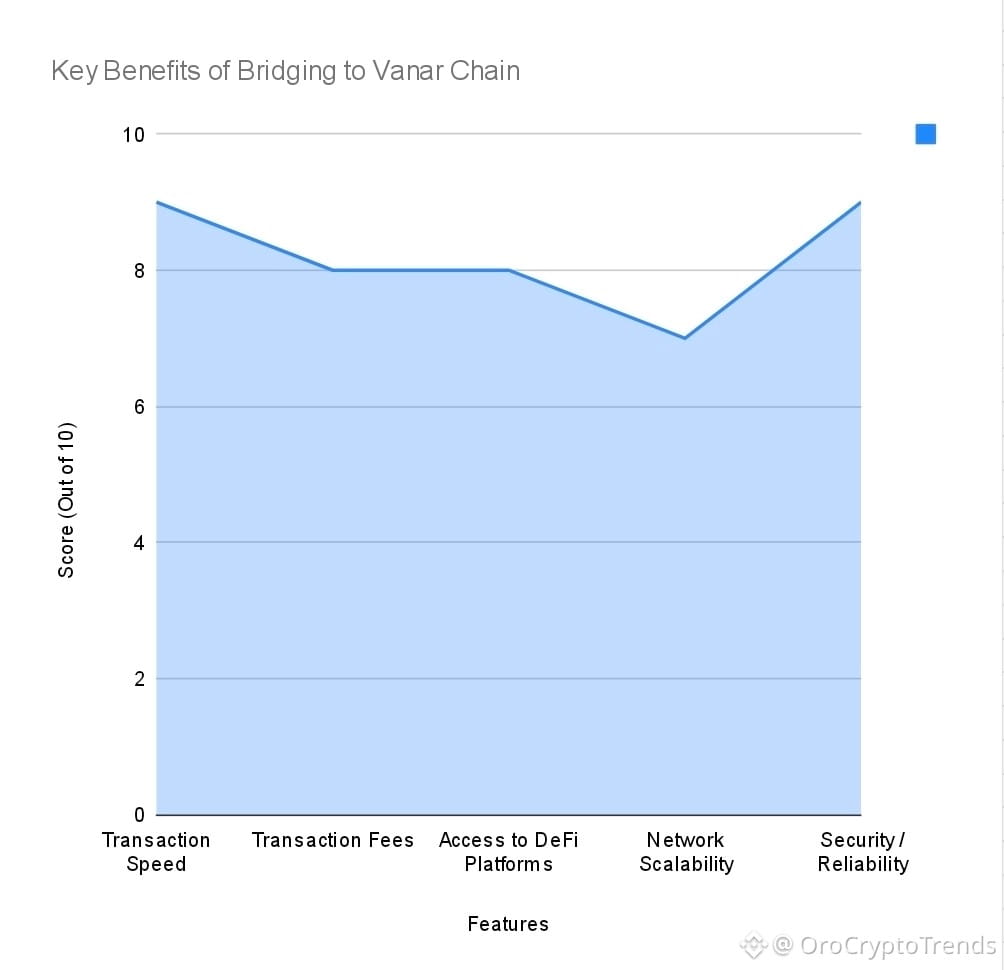
Why are so many users choosing to bridge to Vanar? Here are several compelling reasons:
- Dramatically Lower Transaction Fees: Vanar Chain is engineered for affordability, meaning you’ll spend less on transaction costs compared to older networks like Ethereum or Binance Smart Chain. This can make a big difference for frequent traders or users engaging in DeFi strategies.
- Lightning-Fast Confirmations: Waiting for sluggish networks can be frustrating. Vanar offers near-instant transaction finality, making it ideal for time-sensitive trades and high-volume DeFi activities.
- Access to Unique DeFi Protocols: Some of the most innovative decentralized finance projects are launching exclusively on Vanar. By bridging your assets, you gain access to yield farms, liquidity pools, and trading opportunities you simply can’t find elsewhere.
- Enhanced Network Scalability: Vanar’s infrastructure is built to handle a high volume of transactions without congestion, ensuring a smoother user experience even during peak periods.
Step-by-Step: How to Bridge Assets to Vanar Chain
1. Select a Reliable Bridge Platform
Start by researching and choosing a reputable bridge service that supports Vanar Chain. Look for platforms with a strong track record, positive community feedback, and robust security measures. Official Vanar portals or trusted third-party bridges are recommended to minimize risk.
2. Connect Your Crypto Wallet
Use a compatible wallet—such as MetaMask, WalletConnect, or another supported provider—that can interact with both your source blockchain and Vanar. Ensure your wallet contains enough tokens to pay for transaction fees on both sides.
3. Select Tokens and Specify Amounts
On the bridge interface, choose which asset you want to transfer and enter the amount. Double-check that the token is supported on Vanar Chain to avoid complications or loss of funds.
4. Enter the Correct Destination Details
Carefully select Vanar as the target chain and verify your wallet address. Take your time—errors at this stage can result in irreversible loss of funds.
5. Approve the Transaction and Initiate the Transfer
Authorize the transaction within your wallet. The bridge will either lock or burn your original tokens and mint the equivalent on Vanar. Most transfers complete within minutes, but times can vary depending on network congestion.
6. Confirm Receipt in Your Vanar Wallet
Once the process is complete, check your Vanar wallet for the incoming assets. If you don’t see them immediately, review the transaction history and allow a few more minutes. If issues persist, contact the bridge’s support team with your transaction details.
Pro Tips for Safe and Successful Bridging
- Always use official or highly regarded bridge services. Fraudulent sites are widespread, so verify URLs and bookmark trusted platforms.
- Conduct a small test transfer before moving significant funds. This helps verify compatibility and minimizes risk.
- Stay informed about bridge updates, fee structures, and supported tokens. Bridges occasionally upgrade their systems or alter procedures.
- Factor in all network fees. Fees can fluctuate based on network demand and may apply on both the source and destination chains.
- Consider the timing of your transfer. Busy periods can increase fees and slow down processing, so plan accordingly.
Unlocking the Power of Vanar Chain
By bridging your crypto assets to Vanar Chain, you position yourself to take advantage of cutting-edge DeFi protocols, reduced operating costs, and a more agile user experience. As the blockchain space continues to evolve, mastering the art of asset bridging is a valuable skill that opens new doors for trading, staking, and investment diversification.
Frequently Asked Questions
Is bridging my assets safe?
Bridging is generally secure when using official or well-known platforms, but there’s always some risk. Mistakes—like entering the wrong address or using a fraudulent site—can lead to permanent loss. Always double-check every step and consider a test transaction first.
How long will my transfer take?
Most transfers to Vanar Chain are completed within minutes, but times can vary depending on network traffic and bridge protocols. During peak periods, expect possible delays.
What are the fees involved?
You’ll pay transaction fees on both the originating chain and potentially on Vanar Chain as well. Fortunately, Vanar’s fees tend to be significantly lower than older networks, making it a cost-effective choice for DeFi users and traders.
Ready to Explore Vanar Chain?
Armed with this knowledge, you’re well-prepared to bridge your assets and unlock everything Vanar Chain has to offer—from fast, low-cost transactions to exclusive DeFi opportunities. Follow these steps, stay vigilant, and you’ll be navigating the Vanar ecosystem with confidence.
This guide is for educational purposes only and does not constitute financial advice. Always do your own research and proceed with caution when moving assets across blockchains.