
As crypto enters 2026 the conversation is changing. Speed metrics, flashy interfaces, and short-term yield no longer define credibility. What matters now is whether a blockchain can operate under real legal pressure, protect sensitive financial data, and survive audits. This is where Dusk Network is beginning to stand out — not as a hype chain, but as infrastructure designed for regulated markets.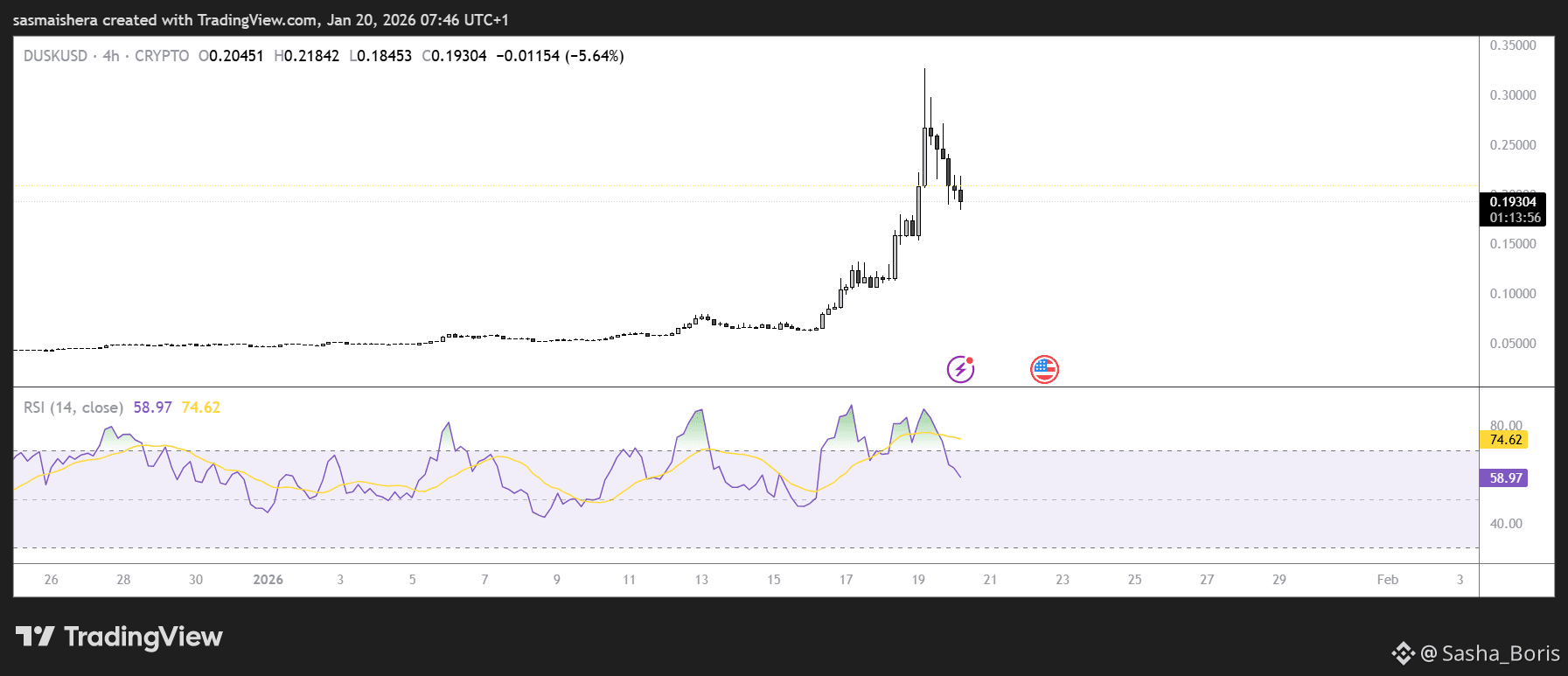
Rather than competing for attention, Dusk appears to be competing for trust. Its design philosophy is built around institutional realities instead of retail speculation. In regulated finance, visibility must be controlled, not absolute. Institutions don’t want full transparency that exposes strategies and positions forever, nor do they want opaque systems that regulators cannot inspect. Dusk is structured to allow privacy by default while enabling selective disclosure when legally required — a balance most blockchains still fail to achieve.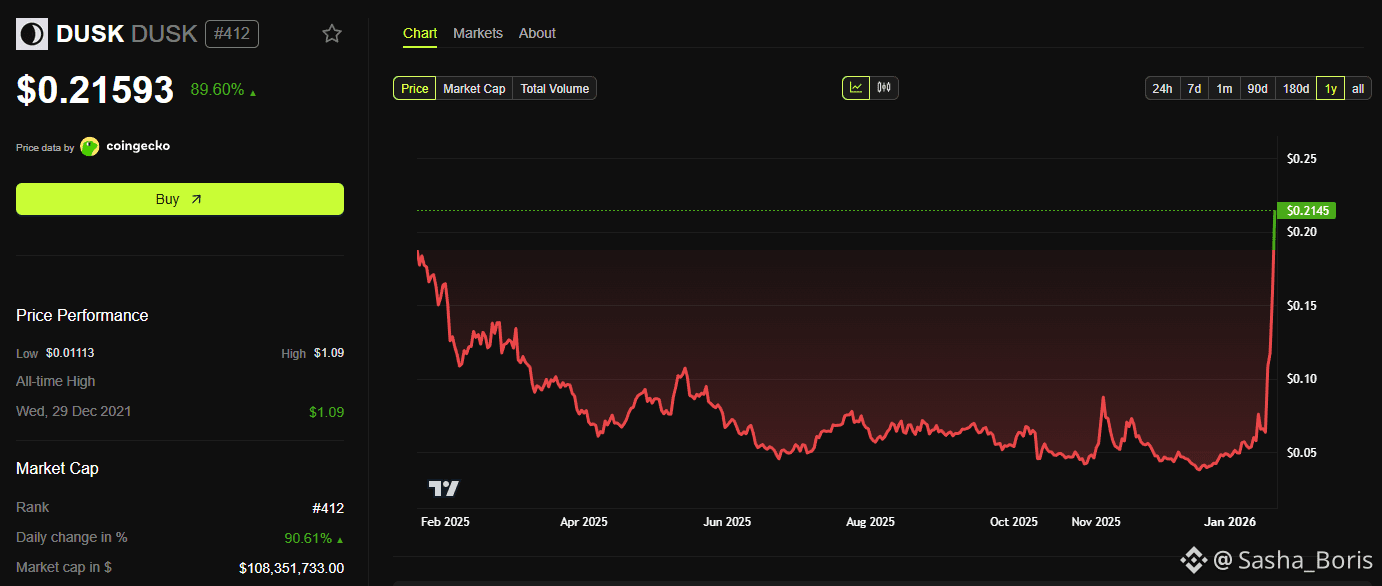
A key focus of Dusk is native issuance and settlement of real-world assets. Through collaborations such as NPEX, a licensed Dutch Multilateral Trading Facility, the network is positioning itself directly within Europe’s regulated financial environment. These efforts align with frameworks like MiCA and the European DLT Pilot Regime, where compliant on-chain markets are actively being tested. Rather than speculative RWA narratives, Dusk is building where regulation already exists.
Privacy on Dusk is not treated as a single global setting. The network supports different transaction models that allow varying levels of disclosure depending on the use case. This reflects how traditional finance actually operates. Some transactions must be transparent, while others become dangerous if exposed, leading to front-running, surveillance, or strategic leakage. By allowing privacy to adapt to context, Dusk reduces structural risks that often break financial systems.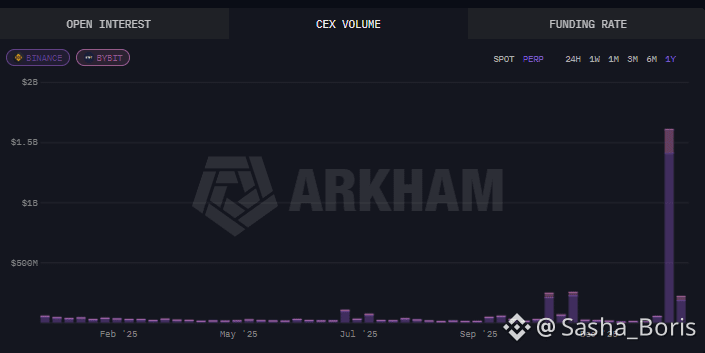
Developer accessibility has also been a priority. With DuskEVM, builders can deploy Solidity-style smart contracts while benefiting from Dusk’s settlement and compliance architecture. This avoids forcing developers to abandon familiar tooling while still upgrading the underlying financial guarantees. The approach does not attempt to replace Ethereum’s ecosystem culture, but rather extends it into regulated environments.
One of the more understated components of Dusk’s roadmap is Hedger, a privacy framework that integrates zero-knowledge proofs and advanced cryptography into EVM environments without overwhelming developers. Many privacy systems fail not because the math is flawed, but because the tooling is unusable. Dusk’s focus on practicality over theory signals a long-term mindset aimed at real adoption rather than technical demonstrations.
Interoperability is also becoming increasingly important. Dusk’s integration efforts with institutional-grade tooling and cross-chain standards, including Chainlink infrastructure, aim to ensure that regulated assets do not exist in isolated silos. For tokenized securities to scale, they must interact safely with broader financial systems — something Dusk appears to be actively preparing for.
Operational maturity has also been visible in how the team handles adversity. In early 2026, Dusk publicly disclosed details surrounding a bridge incident, including its impact and recommended actions. In regulated finance, failure itself is not disqualifying — silence is. Transparent communication during incidents is a requirement, not a choice, and Dusk’s response reflected that understanding.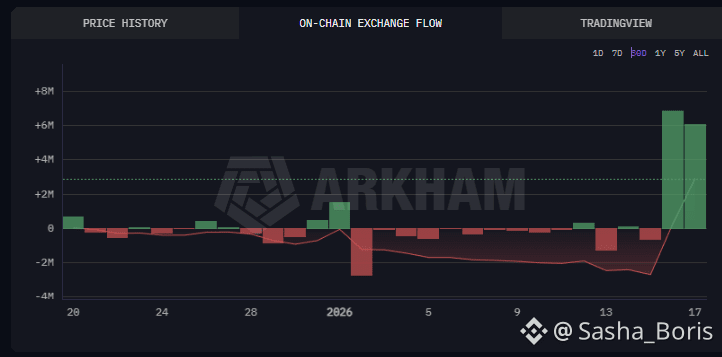
Dusk is not positioned as a fast-moving speculative chain. Regulated finance progresses slowly, demands precision, and carries high execution costs. Privacy introduces complexity. Tooling takes time. Markets often reward noise faster than infrastructure. These risks remain real.
Yet if tokenized securities and compliant on-chain settlement continue to expand, the market will eventually require blockchains built to survive oversight rather than avoid it. Dusk feels designed for that stage of crypto — the phase where systems must endure audits, liabilities, and long-term responsibility.
Not loud.
Not flashy.
Just built to last.