
@Plasma The systems that matter most rarely announce themselves. They don’t clamor for notice, chase trends, or narrate their own operation. Instead, they exist quietly beneath everyday life, shouldering immense responsibility simply by functioning as expected. Their failures are felt instantly and personally. Their successes pass without comment—and that very absence of noise is how trust is earned.
Creating this kind of foundation reshapes perspective. It pulls focus away from flash and toward care. When a system safeguards sensitive data or transfers real value, appearance quickly becomes irrelevant. What matters is how it responds to stress, ambiguity, and the passage of time. Dazzling performance demonstrations lose their appeal compared to the mundane but critical question of whether the system will remain reliable years later, long after its original architects are gone.
A sense of duty seeps into every technical choice. It influences how cautiously state is managed, how tightly authority is restricted, and how well the system resists abrupt or reckless interference. These values extend beyond code into organizational behavior—determining who has access, how decisions are recorded, and how conflicts are handled. In systems that truly matter, power is something to limit rather than maximize. Shortcuts that feel convenient today are often abandoned because tomorrow they may become points of failure.
Trust in such environments is built slowly, through consistency rather than claims. It comes from doing the right thing repeatedly, without seeking recognition. Design assumes users won’t read manuals, won’t grasp every edge case, and shouldn’t be expected to. Accuracy and safety are the system’s responsibility, not the user’s. That principle alone shifts priorities away from novelty and toward dependable behavior.
From this viewpoint, privacy is a natural outcome. When data is treated as a temporary loan instead of a possession, minimizing its collection becomes intuitive. When centralized authority is assumed to be fallible or corruptible over time, systems are built to require as little trust as possible. These decisions are rarely flashy or easy to market, but they are profoundly human. They acknowledge that technology lives within real lives, where errors have consequences and forgiveness is scarce.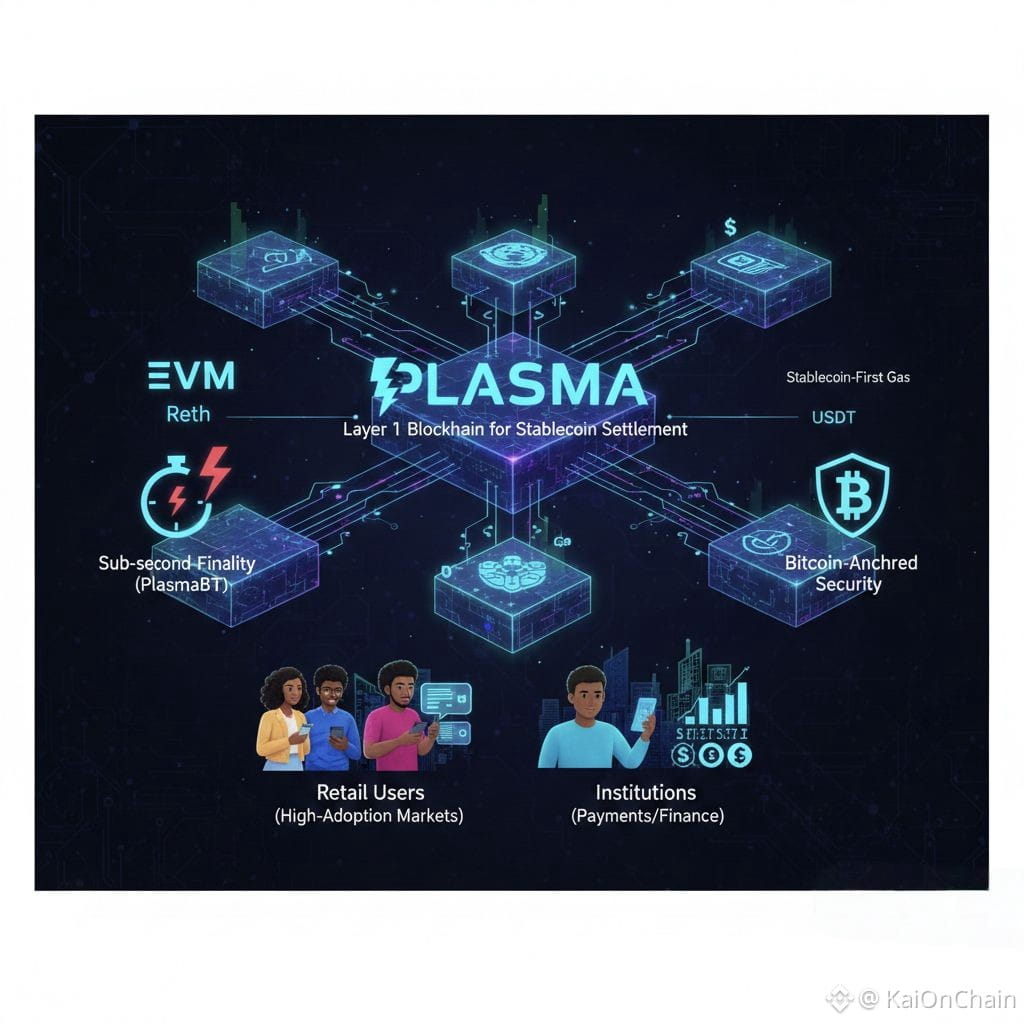
Seen without slogans, decentralization is simply caution made concrete. It doesn’t aim to remove people entirely, but to avoid concentrating all risk in a single place. It accepts that leadership changes, incentives shift, and institutions evolve. By distributing control and grounding systems in elements that change slowly, you gain resilience, time, and a neutrality no single entity can honestly guarantee forever.
The culture behind such work must be patient. Progress happens asynchronously because understanding outweighs speed. Decisions are documented not for bureaucracy’s sake, but to help future contributors grasp the reasoning behind them. Assumptions are openly challenged—not out of mistrust, but as an expression of care. Failure is expected, which ultimately strengthens the system by encouraging readiness rather than denial.
Ethical choices surface in the smallest details. In default settings that protect users who never requested protection. In pricing models that don’t quietly disadvantage the least informed. In recovery mechanisms that exist even if they’re never needed. None of this feels dramatic at the time. Its value only becomes clear later, when people realize they were never exposed to risks they didn’t understand.
@Plasma Infrastructure worthy of reliance is not forged in moments of excitement. It is built layer by layer, by individuals willing to accept that their most important contributions may remain invisible. Guided by a long-term outlook, these systems prioritize endurance over attention and responsibility over momentum. As time passes, they recede further into the background—exactly where they should be. What endures is not how quickly they came into being, but the quiet assurance that they will still be there tomorrow, doing their work without asking for anything in return.

