

As blockchain activity increases, expectations change. Early users may tolerate delays or inconsistencies, but wider adoption depends on something more basic: whether a network continues to feel reliable as usage grows. When performance drops under pressure, trust erodes quickly.
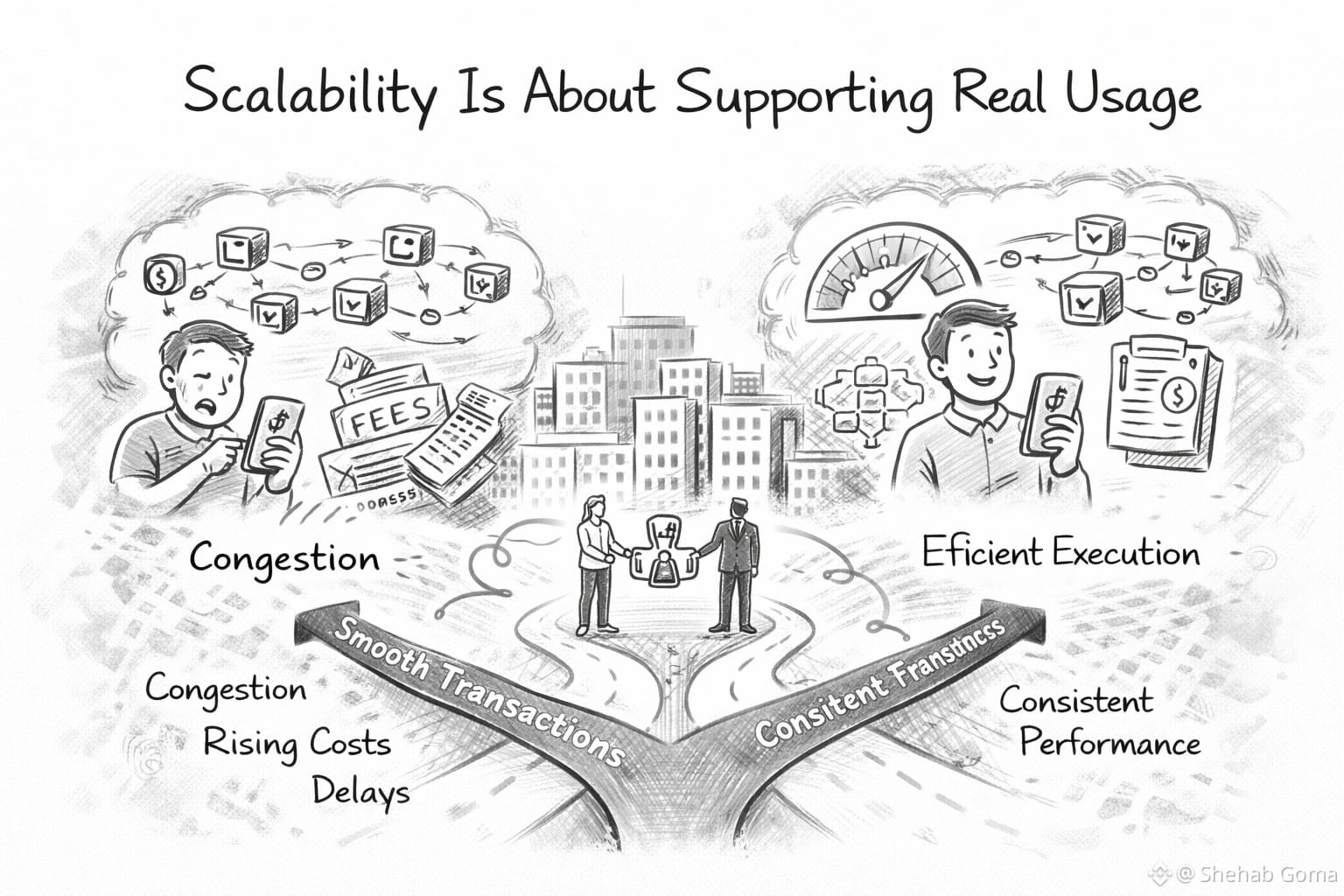
Growth has a way of revealing weaknesses. Systems that appear stable at low volume often behave differently once demand rises. Transactions slow down, costs fluctuate and interactions become less predictable. These moments matter because they shape how users judge the entire experience.
What ultimately keeps people engaged is consistency. Not theoretical capacity, not future upgrades but the confidence that the system will work the same way tomorrow as it does today. Smooth execution, even during periods of high activity, is what turns occasional use into habitual use.
Plasma (XPL) is positioned around this practical reality. Its focus is on maintaining efficiency as activity increases, aiming to support continued usage without introducing friction as demand grows. By addressing performance at the infrastructure level, Plasma seeks to avoid the common bottlenecks that appear when networks move beyond early-stage conditions.
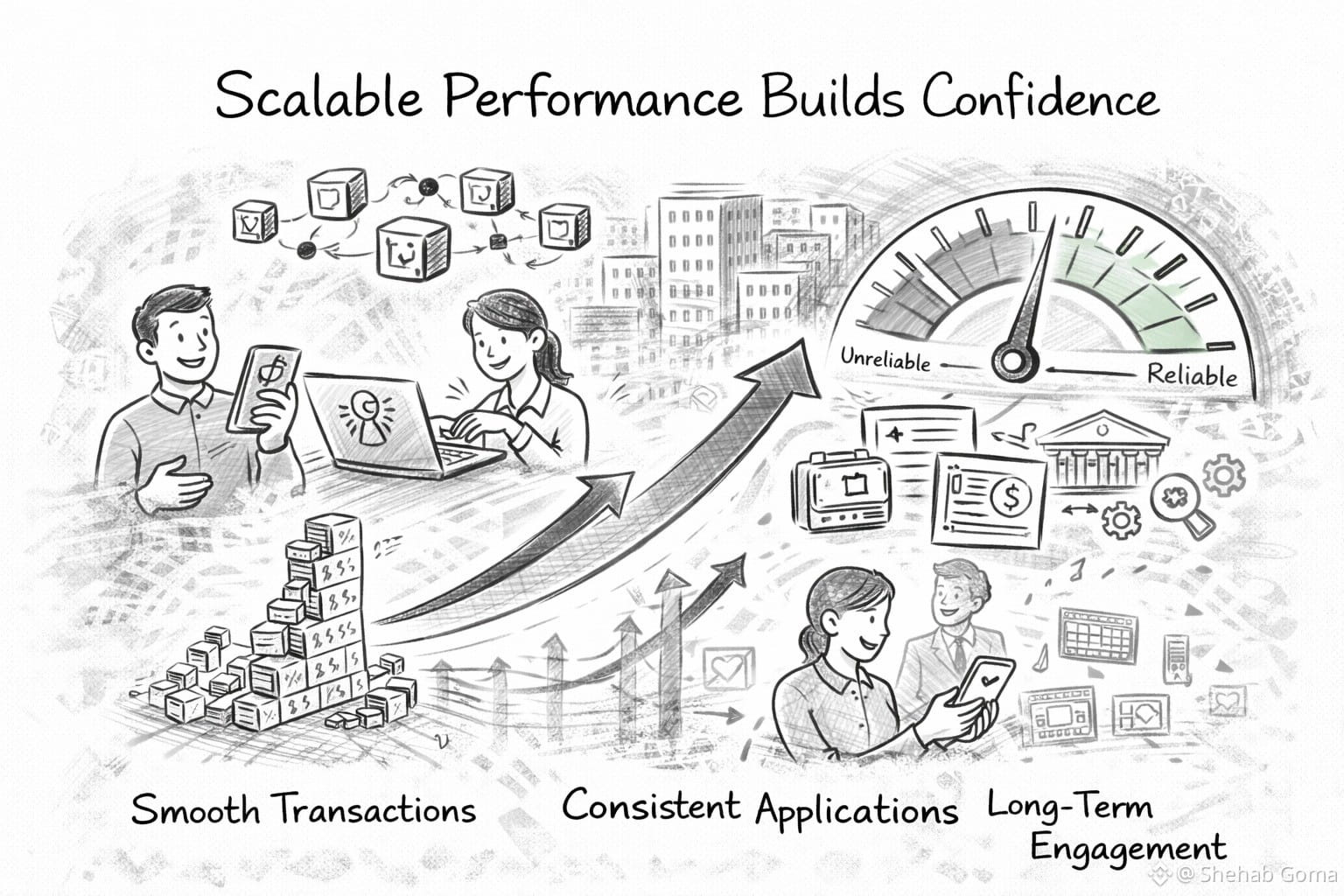
Reliable performance often goes unnoticed when it works well, but it quietly shapes user behavior. People return to systems that feel stable. Applications grow where execution remains predictable. Over time, these factors matter more than announcements or benchmarks.
As blockchain technology continues to mature, scalability will no longer be something users think about it will simply be expected. Networks that handle growth without disruption are the ones most likely to support long-term participation.
In that sense, scalability isn’t about pushing limits. It’s about making progress feel seamless.

